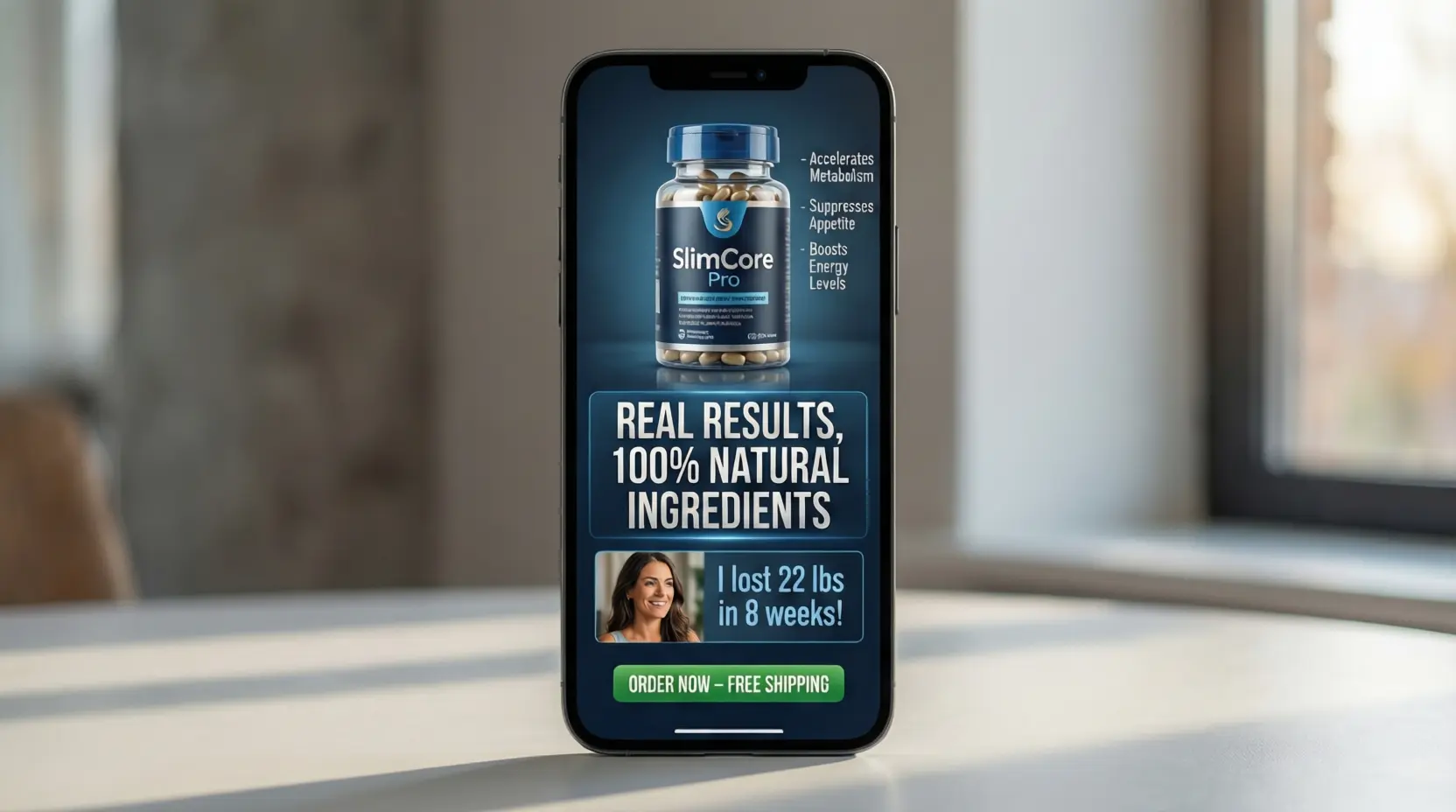
In today’s fast-paced world, achieving and maintaining a healthy weight can feel like an overwhelming challenge.
For many, traditional methods like diet and exercise alone aren’t enough, which is why weight loss medications have become an increasingly popular option.
With the rise of online pharmacies and telemedicine, purchasing weight loss meds has never been more convenient.
People can now access prescription and over-the-counter weight loss drugs from the comfort of their homes, bypassing the need for in-person doctor visits.
However, buying weight loss meds online raises important questions about safety, effectiveness, and legality. Are these medications genuinely effective?
How can you be sure you’re purchasing from a trusted source? In this article, we’ll explore the different types of weight loss medications available online, how to safely buy them, the risks involved, and what you need to know before embarking on your weight loss journey through online medications.
Understanding Weight Loss Medications
Weight loss medications, also known as anti-obesity drugs, are designed to assist with weight loss by influencing key biological processes such as appetite, metabolism, and fat absorption. They can be divided into prescription and over-the-counter (OTC) categories, each offering different mechanisms of action.
Prescription weight loss medications are typically more potent and are prescribed by healthcare providers after a thorough evaluation of a patient’s medical history. Some common prescription options include:
- Semaglutide (Ozempic, Wegovy): This medication mimics a hormone that helps regulate appetite and food intake. Clinical trials have shown it can lead to significant weight loss, making it a popular choice among those struggling with obesity.
- Phentermine: A stimulant that suppresses appetite, it is often prescribed for short-term use. However, its potential for misuse means it requires careful monitoring by a healthcare professional.
- Orlistat (Xenical, Alli): This medication works by inhibiting the absorption of dietary fat in the intestines. It is available in both prescription (Xenical) and lower-dose over-the-counter forms (Alli).
Over-the-counter weight loss drugs tend to be less potent and can be purchased without a prescription. These include medications like Alli (a lower dose of Orlistat) and various caffeine-based supplements that claim to boost metabolism.
While weight loss medications can be an effective tool for some, they are not a quick fix. They should be used in conjunction with a healthy diet and exercise routine to achieve the best long-term results. Consulting with a healthcare provider is essential to determine the right option based on individual health needs.
How to Buy Weight Loss Medications Online
The convenience of purchasing weight loss medications online has made them more accessible than ever before. With just a few clicks, consumers can order prescription and over-the-counter weight loss drugs from online pharmacies and have them delivered straight to their door. However, this convenience comes with its own set of risks, which makes knowing how to safely buy weight loss meds online crucial.
1. Understanding the Online Pharmacy Landscape
Before buying any weight loss medication, it’s important to choose a reputable online pharmacy. Look for websites that are licensed and accredited by authorities like the National Association of Boards of Pharmacy (NABP), which ensures that the pharmacy meets certain safety and quality standards. Online pharmacies that are VIPPS (Verified Internet Pharmacy Practice Sites) certified are more likely to be trustworthy.
2. Telehealth and Online Consultations
Many online pharmacies offer telemedicine consultations where you can virtually meet with a licensed healthcare professional who will evaluate your medical history and prescribe the appropriate weight loss medication. These consultations can be convenient and efficient, allowing patients to receive prescriptions without visiting a doctor in person.
However, be cautious of websites that offer weight loss medications without a prescription or without a proper consultation. Such sites may be selling counterfeit or unsafe products.
3. Risks and Red Flags
When buying weight loss meds online, watch for red flags such as excessively low prices, lack of contact information, and the absence of verified certifications. It’s also important to check for user reviews to ensure the pharmacy’s reliability and trustworthiness.
By doing proper research and choosing a reputable source, buying weight loss medications online can be safe and effective.
The Risks of Buying Weight Loss Medications Online
While buying weight loss medications online offers convenience, it also comes with inherent risks that should not be overlooked. Understanding these risks is essential to making informed decisions and protecting your health. Below are some of the most common dangers associated with purchasing weight loss medications online:
1. Counterfeit Medications
One of the most significant risks when buying medications online is the possibility of receiving counterfeit drugs. These medications may look similar to the real thing but could contain harmful ingredients, incorrect dosages, or contaminants. Counterfeit drugs are not only ineffective but can be dangerous, leading to adverse side effects or even long-term health issues.
2. Lack of Regulation and Oversight
Unlike traditional pharmacies, many online platforms operate in an unregulated environment, making it difficult to ensure the quality and authenticity of the products sold. Some rogue websites may claim to offer FDA-approved drugs, but in reality, they may sell unapproved or illegal substances that pose serious health risks.
3. No Proper Consultation
In some cases, online pharmacies may sell weight loss medications without requiring a prescription or consultation with a healthcare provider. This lack of oversight can be dangerous, as certain medications may not be suitable for individuals with specific medical conditions or who are taking other medications that could interact negatively.
4. Privacy and Security Concerns
When purchasing weight loss medications online, it’s essential to ensure that your personal and financial information is secure. Untrusted websites may put your data at risk, leading to identity theft or fraud.
To avoid these risks, always opt for accredited and trusted online pharmacies and seek medical advice before starting any new medication.
How to Safely Use Weight Loss Medications
When used correctly, weight loss medications can support your journey toward a healthier weight. However, their effectiveness depends on how they are used and the precautions taken to minimize risks. Here are some essential guidelines to ensure safe usage of weight loss meds:
1. Follow Medical Guidance
Before starting any weight loss medication, it’s crucial to consult with a healthcare provider. A doctor can evaluate your medical history, recommend the right medication for your needs, and monitor your progress. Even over-the-counter (OTC) drugs like Orlistat should be used under medical supervision, as they can have interactions with other medications and may not be suitable for everyone.
2. Stick to the Recommended Dosage
Taking more than the prescribed dose of weight loss medication does not speed up weight loss and can lead to severe side effects. It’s important to follow the dosage instructions carefully, whether the medication is prescription or OTC. Overuse can lead to heart issues, digestive problems, or other serious conditions.
3. Use in Conjunction with Diet and Exercise
Weight loss medications are not a standalone solution. They are most effective when combined with a healthy, balanced diet and regular physical activity. Medications like Phentermine or Semaglutide help curb appetite or regulate metabolism, but they cannot replace the need for proper nutrition and exercise. They should be seen as a tool that aids, not replaces, a lifestyle change.
4. Monitor Side Effects
It’s important to be aware of potential side effects, especially in the early stages of using weight loss medications. Some common side effects include nausea, headache, or digestive issues. If you experience severe reactions such as chest pain, dizziness, or difficulty breathing, stop the medication immediately and consult your healthcare provider.
By following these safety measures, you can maximize the benefits of weight loss medications while minimizing risks.
The Effectiveness of Weight Loss Medications
Weight loss medications can be a helpful tool in managing obesity and supporting weight loss efforts, but they are not a magic solution. Understanding their effectiveness and how they work is key to setting realistic expectations and making informed decisions.
1. Varying Levels of Effectiveness
The effectiveness of weight loss medications depends on the type of drug and the individual using it. For example, Semaglutide (Wegovy) has shown remarkable results in clinical trials, with patients losing up to 15% of their body weight over a year. On the other hand, medications like Phentermine may lead to modest weight loss of around 5% to 10% of body weight. It’s important to note that results can vary widely depending on the person’s lifestyle, adherence to dosage, and medical conditions.
2. Not a Quick Fix
Medications can aid in weight loss, but they are not designed for rapid results. It can take several weeks or even months to see noticeable changes. For optimal results, weight loss medications should be viewed as part of a long-term strategy, which includes consistent changes to diet and exercise. Expect gradual weight loss rather than dramatic, quick fixes.
3. Long-Term Sustainability
Sustaining weight loss is another challenge. Studies show that people who combine medication with lifestyle changes, such as regular physical activity and healthy eating habits, are more likely to maintain weight loss in the long run. Medications can make this process easier, but consistency in healthy habits is essential for lasting success.
In conclusion, weight loss medications can be effective when used correctly, but they are only one part of a comprehensive approach to healthy living.
Alternatives to Prescription Weight Loss Medications
While prescription weight loss medications can be highly effective for some individuals, they are not the only option for those looking to lose weight. There are several alternatives that can be explored, many of which carry fewer risks and side effects. Below are some popular alternatives to prescription weight loss drugs:
1. Over-the-Counter (OTC) Weight Loss Supplements
Many OTC supplements claim to assist with weight loss by boosting metabolism, suppressing appetite, or blocking fat absorption. Products like Orlistat (Alli), a lower-dose version of the prescription drug Xenical, are available without a prescription. Other supplements containing ingredients like green tea extract, caffeine, or garcinia cambogia may also help with weight loss when combined with a balanced diet and exercise. However, it’s important to be cautious with OTC supplements, as their effectiveness and safety can vary widely.
2. Lifestyle Changes: Diet and Exercise
The foundation of any successful weight loss program is a healthy, sustainable diet and regular physical activity. A calorie-controlled diet, focusing on whole foods like fruits, vegetables, lean proteins, and whole grains, can lead to significant weight loss over time. Coupled with a consistent exercise routine that includes both cardiovascular and strength training activities, this approach helps burn calories, increase metabolism, and build muscle mass—resulting in sustainable weight loss.
3. Behavioral Therapy and Support Groups
For many people, emotional eating and psychological factors play a significant role in weight gain. Seeking help through behavioral therapy or support groups can provide the motivation and strategies necessary to develop healthier habits and overcome barriers to weight loss.
4. Medical Weight Loss Programs
In addition to medications, some people may choose to pursue medically supervised weight loss programs that include professional guidance, customized meal plans, and ongoing support from dietitians or weight loss specialists.
While weight loss medications can be an effective option for some, these alternatives can provide safe, sustainable approaches to weight management.
Legal and Ethical Considerations When Buying Weight Loss Medications Online
Buying weight loss medications online can be convenient, but it also raises several important legal and ethical concerns that must be addressed to ensure you are making a safe and responsible choice. Understanding these considerations is essential for protecting your health and ensuring you comply with the law.
1. Legality of Purchasing Medications Online
In many countries, purchasing prescription medications without a valid prescription is illegal. Buying weight loss medications such as Phentermine or Semaglutide without a prescription may violate both local and international drug laws. It’s crucial to confirm that any online pharmacy you purchase from requires a prescription and offers consultations with licensed healthcare professionals. Some rogue websites may offer these drugs without requiring a prescription, which is not only illegal but also dangerous.
2. The Ethics of Online Pharmacies
When buying weight loss medications online, it’s important to consider the ethical implications of where you’re sourcing your products. Some online pharmacies operate outside of legal frameworks, selling counterfeit, expired, or unapproved drugs. These medications may cause harm to your health and contribute to a larger black market in illicit drugs. Supporting unethical businesses can also contribute to the global issue of counterfeit drug trafficking, which harms both consumers and the healthcare industry.
3. Consumer Protection and Regulations
Look for online pharmacies that comply with local regulations and industry standards. Verified Internet Pharmacy Practice Sites (VIPPS) certification ensures that a pharmacy is legitimate and adheres to legal requirements. Websites that provide clear contact information, privacy policies, and return/refund policies are more likely to operate ethically.
Ensuring that you are purchasing weight loss medications legally and ethically protects both your health and your rights as a consumer.
The Cost of Weight Loss Medications
One of the most significant factors people consider when purchasing weight loss medications is the cost. Prescription and over-the-counter weight loss drugs can vary greatly in price, and understanding how much you might spend—and whether it’s worth it—is an important consideration.
1. Prescription Weight Loss Medications
Prescription weight loss medications like Semaglutide (Wegovy) or Phentermine often come with a hefty price tag. For example, Semaglutide can cost anywhere from $1,000 to $1,500 per month, depending on the dosage and where you purchase it. Many insurance plans may not cover weight loss medications, especially if they are prescribed for cosmetic reasons rather than for medical conditions like obesity. This means that out-of-pocket costs can add up quickly.
If you are considering prescription meds, it’s important to check with your insurance provider to see if they cover weight loss prescriptions. Some programs may offer coverage for obesity-related medications if you meet certain health criteria, such as a BMI over 30 or obesity-related comorbidities like diabetes or hypertension.
2. Over-the-Counter Weight Loss Medications
OTC medications, like Orlistat (Alli), are usually more affordable, with prices ranging from $50 to $100 per month. While these medications are not as potent as their prescription counterparts, they can still offer benefits, especially for individuals with moderate weight loss goals. However, even OTC options may be expensive over time, particularly if combined with additional supplements.
3. Hidden Costs and Additional Expenses
In addition to the cost of the medications themselves, there may be hidden costs, such as doctor visits, online consultation fees, and shipping charges for online purchases. The overall cost of weight loss medications should be weighed against potential benefits and the lifestyle changes required to achieve lasting weight loss.
The Role of Diet and Exercise in Weight Loss Medication
While weight loss medications can aid in achieving your weight loss goals, they are not a substitute for a healthy diet and regular exercise. These medications work best when combined with lifestyle changes that focus on long-term health and sustainable weight management. Here’s why diet and exercise play a critical role in the success of weight loss medications:
1. Enhanced Effectiveness
Medications like Semaglutide or Orlistat can help curb appetite, reduce fat absorption, or regulate metabolism, but they don’t replace the need for healthy eating and physical activity. A balanced diet rich in vegetables, fruits, lean proteins, and whole grains provides the nutrients your body needs for overall health while supporting weight loss. Exercise, particularly cardio and strength training, increases calorie burn, boosts metabolism, and helps build lean muscle mass, which can improve body composition over time.
When combined with medication, these lifestyle changes can accelerate weight loss, making it more sustainable in the long run.
2. Preventing Weight Regain
One of the most significant challenges in weight loss is maintaining results over time. Many people who lose weight with the help of medications experience a plateau or regain the weight once they stop the medication. Adopting a healthier diet and regular exercise routine helps prevent this by promoting consistent calorie burning and establishing healthy habits. The combination of medication, diet, and exercise enhances the likelihood of keeping the weight off once you reach your goal.
3. Creating Healthy Habits for Life
The key to successful weight management is creating a sustainable routine that includes both medication and healthy lifestyle changes. Rather than relying solely on pills, integrating long-term habits that focus on fitness and nutrition will lead to better overall health and well-being.
FAQ:
1. Is it safe to buy weight loss medications online?
While it can be convenient to buy weight loss medications online, it’s crucial to be cautious. Many websites may offer counterfeit or unregulated drugs, which can pose serious health risks. To ensure safety, only purchase from reputable online pharmacies that require a prescription and are accredited by governing bodies like the National Association of Boards of Pharmacy (NABP).
2. Can I buy weight loss medications without a prescription?
In most countries, buying prescription weight loss medications without a valid prescription is illegal. Be wary of online pharmacies that do not require a prescription, as these could be operating unlawfully and may be selling counterfeit or dangerous products.
3. How do I know if a weight loss medication is right for me?
The best way to determine if a weight loss medication is suitable for you is to consult with a healthcare provider. They can evaluate your medical history, current health conditions, and weight loss goals to recommend an appropriate treatment plan. It’s important to remember that medication should complement a balanced diet and regular exercise, not replace them.
4. How much do weight loss medications cost?
Prescription weight loss medications can be expensive, ranging from $50 to $1,500 per month depending on the drug and dosage. Over-the-counter medications tend to be more affordable, but costs can still add up over time. Insurance may cover prescription weight loss drugs, but coverage varies depending on the insurer and your health conditions.
5. Can I rely on weight loss medications alone?
Weight loss medications should be used as part of a comprehensive weight loss plan that includes a healthy diet and regular exercise. Medications alone are not sufficient for long-term weight management.
Conclusion
Weight loss medications can be a valuable tool for individuals struggling with obesity or those looking to manage their weight effectively.
When combined with healthy lifestyle changes like a balanced diet and regular exercise, these medications can help enhance weight loss efforts, reduce the risk of weight regain, and improve overall health.
However, it’s important to understand that weight loss medications are not a quick fix or a substitute for long-term lifestyle changes.
Before considering weight loss medications, it is essential to consult with a healthcare provider to ensure the medication is appropriate for your health profile and goals.
Prescription drugs should always be obtained through licensed professionals, and caution should be exercised when purchasing medications online to avoid counterfeit or unsafe products.
The cost of weight loss medications is another important factor to consider, as prescription medications can be quite expensive, and insurance coverage may vary.
For those who prefer more affordable options, over-the-counter medications or lifestyle changes may be better alternatives, though they too require commitment and consistency.
Ultimately, achieving and maintaining weight loss involves a holistic approach. By understanding the role of medications in weight management, staying informed about potential risks and benefits, and maintaining a focus on health, individuals can make informed decisions and work toward sustainable weight loss results.
If opting for prescription drugs or natural alternatives, the key to success is combining the right medication with a commitment to healthy living.

I’m Etalia Robert, a quotes expert at Quotesfuel.com — sharing inspiring words and timeless wisdom to fuel your motivation every day!