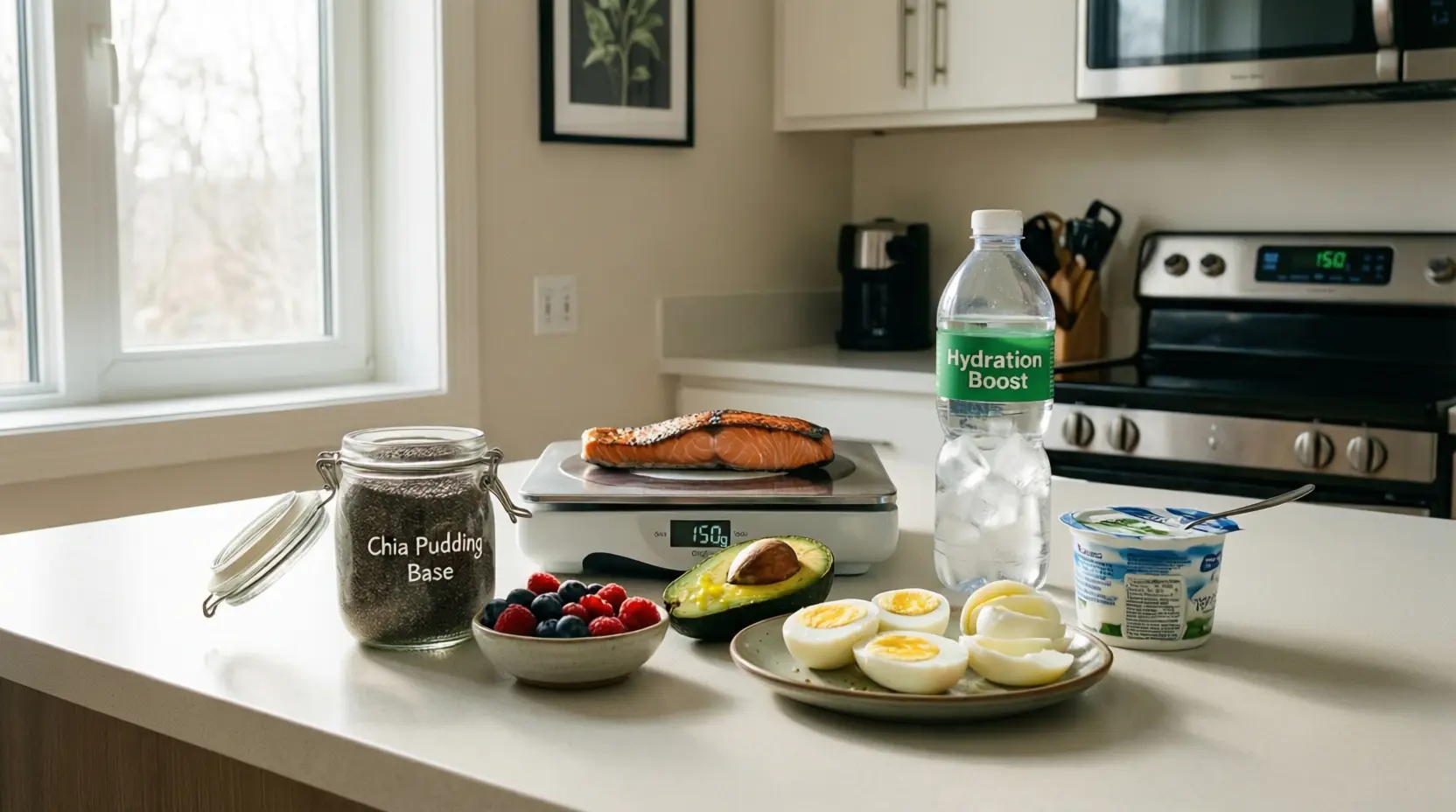
Losing weight is often portrayed as a journey that requires intense workouts, gym memberships, and hours of sweating—but that approach isn’t realistic for everyone.
Busy schedules, physical limitations, injuries, or simply a dislike for exercise can make traditional weight-loss advice feel discouraging.
The good news is that it is possible to lose weight without exercise by focusing on smarter lifestyle and nutrition choices.
Weight loss is primarily driven by creating a calorie deficit, and that can be achieved through mindful eating, better food quality, improved sleep, and stress management. Small daily habits, when practiced consistently, can lead to meaningful and sustainable results.
This article explores practical, science-backed ways to lose weight without working out, helping you build healthier habits that fit your life.
If you’re just starting your weight-loss journey or looking for alternatives to the gym, these strategies can help you slim down naturally and maintain long-term success.
Understanding Weight Loss Without Exercise
To understand how weight loss can occur without exercise, it’s important to know how the body actually loses weight. At its core, weight loss is driven by a calorie deficit, which means consuming fewer calories than your body needs to maintain its current weight. While exercise can help increase calorie burn, it is not the only—or even the primary—factor involved. Nutrition and daily habits play a much larger role than many people realize.
In fact, studies consistently show that diet accounts for the majority of weight loss results. It’s much easier to reduce 300–500 calories by adjusting food choices than it is to burn the same amount through exercise. This is why many people lose weight even when they are unable to work out regularly. By focusing on what and how much you eat, you can effectively manage your weight without relying on physical activity.
Another key factor is metabolism, which is influenced by sleep quality, stress levels, and hormone balance. Poor sleep and chronic stress can slow metabolism and increase hunger, making weight loss more difficult—even if you exercise. On the other hand, improving these lifestyle factors can naturally support fat loss.
Exercise offers many health benefits, such as improved heart health and muscle strength, but it is not mandatory for weight loss. By prioritizing nutrition, mindful eating, and healthy daily routines, you can lose weight sustainably without stepping into a gym.
Focus on Calorie Control and Portion Awareness
One of the most effective ways to lose weight without exercise is by managing your calorie intake. Even healthy foods can lead to weight gain if eaten in large portions, which is why calorie awareness is essential. You don’t need to count every calorie obsessively, but having a general understanding of portion sizes can make a significant difference.
Many people unknowingly consume excess calories through mindless snacking, oversized portions, and liquid calories such as sugary drinks, juices, and alcohol. These calories add up quickly without providing lasting fullness. Replacing high-calorie beverages with water, herbal tea, or black coffee can immediately reduce daily calorie intake with minimal effort.
Portion control is a simple yet powerful strategy. Using smaller plates and bowls, serving food in the kitchen instead of eating straight from the package, and pausing before getting seconds can help prevent overeating. Eating slowly also gives your body time to recognize fullness, reducing the likelihood of consuming more calories than needed.
Another helpful approach is balancing your plate. Filling half of your plate with vegetables, one quarter with lean protein, and one quarter with whole grains or healthy fats can naturally control portions while keeping meals satisfying. Protein and fiber, in particular, help you feel full longer, reducing cravings between meals.
By focusing on calorie control and portion awareness, you create a sustainable calorie deficit without drastic dieting or exercise. These small, consistent changes can lead to steady weight loss over time.
Prioritize Whole, Nutrient-Dense Foods
Choosing the right foods plays a major role in losing weight without exercise. Whole, nutrient-dense foods provide essential vitamins, minerals, fiber, and protein while helping you feel full on fewer calories. In contrast, highly processed foods are often high in sugar, unhealthy fats, and refined carbohydrates, which can lead to overeating and weight gain.
Whole foods such as vegetables, fruits, lean proteins, whole grains, legumes, nuts, and seeds support natural appetite control. These foods take longer to digest, keeping you satisfied for longer periods and reducing the urge to snack between meals. Fiber-rich foods, in particular, slow digestion and help stabilize blood sugar levels, which can prevent sudden hunger spikes.
Protein is another key component of nutrient-dense eating. Including protein at every meal—such as eggs, fish, chicken, tofu, beans, or Greek yogurt—helps preserve muscle mass and increases feelings of fullness. This makes it easier to maintain a calorie deficit without feeling deprived or constantly hungry.
Reducing ultra-processed foods is equally important. Items like packaged snacks, fast food, sugary cereals, and baked goods are designed to be hyper-palatable, making it easy to consume excess calories quickly. Swapping these for simpler, whole-food alternatives can dramatically improve your diet quality without complex meal plans.
By prioritizing whole, nutrient-dense foods, you naturally reduce calorie intake while nourishing your body. This approach supports sustainable weight loss, improves overall health, and makes it easier to lose weight without relying on exercise.
Practice Mindful Eating and Control Cravings
Mindful eating is a powerful yet often overlooked strategy for losing weight without exercise. It involves paying full attention to what you eat, how you eat, and how your body responds to food. Many people overeat not because they’re hungry, but because they’re distracted, stressed, or eating out of habit.
Eating slowly and without distractions—such as phones, television, or work—allows your brain to recognize fullness cues more effectively. It takes about 20 minutes for your body to signal that it’s full, and eating too quickly can lead to consuming more calories than necessary. By slowing down and savoring each bite, you naturally eat less while enjoying your meals more.
Cravings are another major challenge when trying to lose weight without working out. Often, cravings are driven by emotional triggers, stress, lack of sleep, or blood sugar fluctuations rather than true hunger. Identifying what triggers your cravings is the first step toward managing them. For example, if stress leads to snacking, finding non-food coping strategies like deep breathing, short walks, or journaling can be helpful.
Balancing meals with adequate protein, fiber, and healthy fats also reduces cravings by keeping blood sugar levels stable. Drinking enough water throughout the day can further help, as thirst is often mistaken for hunger.
By practicing mindful eating and learning to control cravings, you create a healthier relationship with food—making weight loss without exercise more sustainable and enjoyable.
Improve Sleep and Manage Stress for Better Weight Loss
Sleep and stress management play a critical role in weight loss, especially when you’re trying to lose weight without exercise. Poor sleep and chronic stress can disrupt hormones that regulate hunger and fat storage, making weight loss significantly more difficult—even if your diet is on point.
When you don’t get enough sleep, levels of ghrelin (the hunger hormone) increase, while leptin (the hormone that signals fullness) decreases. This imbalance can lead to increased appetite, stronger cravings for high-calorie foods, and reduced self-control around eating. Consistently getting 7–9 hours of quality sleep each night can help regulate these hormones and support natural weight loss.
Stress has a similar impact through the hormone cortisol. Elevated cortisol levels are linked to increased fat storage, particularly around the abdominal area. Stress can also trigger emotional eating and cravings for sugary or comfort foods. Learning to manage stress effectively can therefore have a direct impact on your weight.
Simple stress-reduction strategies include deep breathing, meditation, journaling, spending time outdoors, and maintaining a consistent daily routine. Even small habits, such as limiting screen time before bed or practicing gratitude, can help lower stress levels over time.
By prioritizing better sleep and managing stress, you create a hormonal environment that supports fat loss. These lifestyle changes not only help you lose weight without exercise but also improve overall health, mood, and energy levels.
Stay Hydrated and Support Healthy Digestion
Proper hydration is a simple yet effective tool for weight loss without exercise. Drinking enough water helps regulate appetite, supports digestion, and can prevent unnecessary snacking. Many people mistake thirst for hunger, leading them to eat when their body actually needs fluids. By staying well-hydrated throughout the day, you can naturally reduce calorie intake.
Drinking water before meals may help you feel fuller, making it easier to control portion sizes. Replacing sugary beverages, sodas, and juices with water can also eliminate a significant source of hidden calories. Herbal teas and infused water are good alternatives for those who want more flavor without added sugar.
Healthy digestion and gut health also play an important role in weight management. A well-functioning digestive system helps your body absorb nutrients efficiently and regulate appetite. Diets low in fiber and high in processed foods can disrupt gut bacteria, leading to bloating, cravings, and weight gain.
Including fiber-rich foods such as vegetables, fruits, legumes, whole grains, and seeds supports digestion and promotes a feeling of fullness. Fermented foods like yogurt, kefir, sauerkraut, and kimchi can help maintain a healthy balance of gut bacteria, which may influence metabolism and fat storage.
Eating at regular times and avoiding excessive late-night snacking can further support digestion. Giving your body time to digest food properly may improve energy levels and reduce unnecessary calorie consumption.
By staying hydrated and supporting healthy digestion, you create an internal environment that makes weight loss without exercise easier, more comfortable, and more sustainable over time.
Use Intermittent Fasting and Meal Timing Wisely
Intermittent fasting is a popular approach that can support weight loss without exercise by naturally reducing calorie intake. Rather than focusing on what to eat, intermittent fasting focuses on when you eat. Common methods include the 16:8 approach, where you eat within an eight-hour window, or the 14:10 method, which is often more beginner-friendly.
By limiting the eating window, many people find it easier to avoid unnecessary snacking and late-night eating—two common causes of excess calorie consumption. Fasting periods also give the body time to regulate insulin levels, which may help with fat utilization and appetite control.
Meal timing matters even if you don’t follow a strict fasting plan. Eating consistent meals throughout the day and reducing late-night snacking can support better digestion and hormonal balance. Late-night eating is often driven by habit or boredom rather than hunger and can easily push calorie intake beyond daily needs.
It’s important to note that intermittent fasting is not suitable for everyone. People with certain medical conditions, a history of eating disorders, or high stress levels may not benefit from fasting. The goal is not extreme restriction, but a sustainable routine that fits your lifestyle.
If you choose to try intermittent fasting, start gradually and prioritize nutrient-dense foods during eating windows. Hydration remains important during fasting periods, and listening to your body’s signals is essential.
Used correctly, intermittent fasting and mindful meal timing can be effective tools for losing weight without exercise while promoting long-term consistency and balance.
Avoid Common Mistakes That Stall Weight Loss
When trying to lose weight without exercise, certain common mistakes can slow progress or lead to frustration. One of the biggest errors is overeating “healthy” foods. While foods like nuts, avocados, olive oil, and whole grains are nutritious, they are also calorie-dense. Consuming them in large portions can easily eliminate the calorie deficit needed for weight loss.
Another frequent mistake is extreme calorie restriction. Drastically cutting calories may lead to quick initial weight loss, but it often backfires. Sustainable weight loss requires a moderate, consistent calorie deficit—not starvation.
Ignoring hunger and fullness signals is another issue. Skipping meals or delaying eating for too long can cause intense hunger later in the day, increasing the likelihood of overeating. Learning to recognize genuine hunger versus emotional or habitual eating is key.
Many people also rely too heavily on fad diets or “quick fixes” that promise rapid results. These approaches are often unsustainable and fail to address long-term habits. Weight loss without exercise works best when built on realistic lifestyle changes rather than rigid rules.
Finally, expecting instant results can lead to disappointment. Weight loss is not linear, and small fluctuations are normal. Progress should be measured over weeks, not days.
By avoiding these common mistakes and focusing on consistency, patience, and healthy habits, you can maintain steady progress and achieve long-term weight loss without exercise.
Build Sustainable Habits for Long-Term Weight Loss
The key to losing weight without exercise—and keeping it off—is building habits that are sustainable over the long term. Quick fixes and drastic changes may deliver short-term results, but they often fail because they are difficult to maintain. Instead, long-lasting weight loss comes from small, consistent lifestyle adjustments.
Start by focusing on one or two habits at a time, such as drinking more water, reducing portion sizes, or improving sleep quality. Once these habits feel natural, you can gradually add more changes. This approach reduces overwhelm and increases the likelihood of long-term success.
Consistency matters more than perfection. Occasional indulgences or off days will not ruin your progress, but giving up entirely can. Adopting an 80/20 mindset—where you eat well most of the time while allowing flexibility—helps create balance and prevents feelings of deprivation.
Tracking progress can also support motivation, but it’s important to avoid obsession. Instead of focusing solely on the scale, pay attention to non-scale victories such as improved energy levels, better digestion, clearer skin, or how your clothes fit. These signs often appear before significant weight changes.
Establishing routines around meals, sleep, and daily movement can further reinforce healthy habits. Simple activities like walking more, standing regularly, or doing household tasks increase daily energy expenditure without structured exercise.
By prioritizing sustainable habits over rapid results, you create a lifestyle that supports healthy weight loss without exercise and promotes long-term physical and mental well-being.
Frequently Asked Questions
Can you really lose weight without exercise?
Yes, weight loss is primarily driven by a calorie deficit. While exercise helps burn calories, diet, sleep, stress, and daily habits play a much larger role. Many people successfully lose weight through nutrition and lifestyle changes alone.
How long does it take to see results without exercise?
This depends on factors such as calorie intake, metabolism, sleep quality, and consistency. Most people begin noticing changes within 2–4 weeks, especially in energy levels, digestion, and reduced bloating. Visible weight loss may take longer but is more sustainable.
Will my metabolism slow down if I don’t exercise?
Not necessarily. Extreme calorie restriction and poor sleep are more likely to slow metabolism than skipping exercise. Eating enough protein, managing stress, and getting adequate sleep help maintain a healthy metabolic rate.
Can I lose belly fat without working out?
Spot reduction isn’t possible, but overall fat loss—including belly fat—can occur through consistent calorie control, reduced sugar intake, better sleep, and lower stress levels.
Is diet alone enough for long-term weight loss?
Yes, if the diet is balanced and sustainable. However, incorporating light daily movement like walking or household activities can enhance results without formal exercise.
What should I do if my weight loss stalls?
Plateaus are normal. Reassess portion sizes, liquid calories, sleep, and stress levels. Small adjustments often restart progress.
Conclusion:
Losing weight without exercise is not only possible—it can be practical, sustainable, and effective when approached the right way.
While exercise offers many health benefits, it is not a requirement for weight loss. By focusing on nutrition, mindful eating, sleep quality, stress management, hydration, and consistent daily habits, you can create a calorie deficit that supports steady fat loss.
The most important takeaway is that weight loss does not have to be extreme or overwhelming. Small changes, such as controlling portion sizes, choosing whole foods, improving sleep, and reducing stress, can have a powerful cumulative effect over time.
These strategies work together to support hormonal balance, appetite control, and overall well-being.
Patience and consistency are essential. Progress may be gradual, but slow and steady weight loss is more likely to last.
Avoid comparing your journey to others and focus instead on building habits that fit your lifestyle and personal needs. Remember that setbacks are normal and do not define your success.
If exercise eventually becomes something you enjoy, it can be a helpful addition but it’s not mandatory. The foundation of weight loss lies in daily choices and sustainable routines.
By committing to these simple, realistic strategies, you can lose weight without exercise and build a healthier relationship with food and your body for the long term.

I’m Etalia Robert, a quotes expert at Quotesfuel.com — sharing inspiring words and timeless wisdom to fuel your motivation every day!