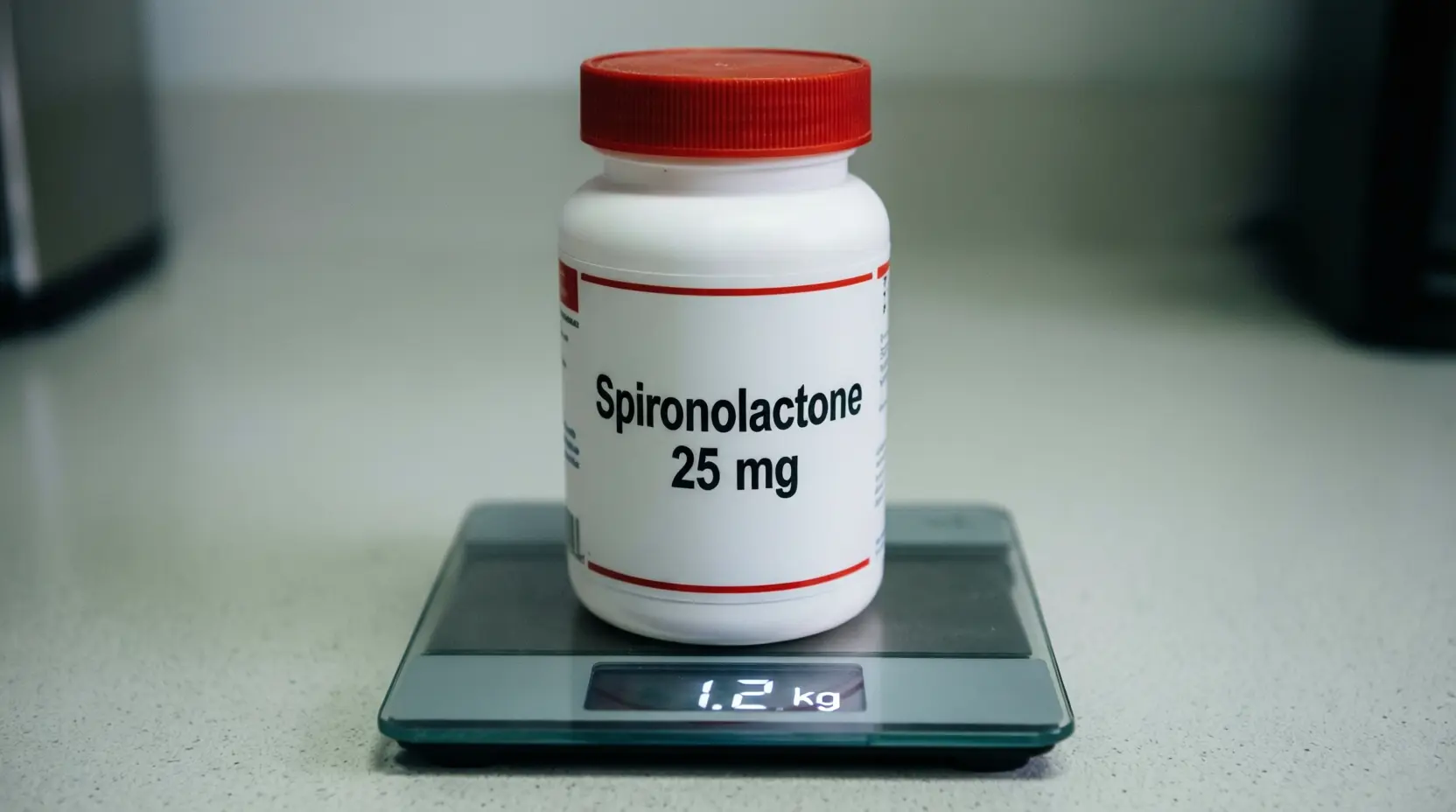
Spironolactone is a widely prescribed medication, commonly used to treat conditions like high blood pressure, fluid retention, acne, and hormonal imbalances such as PCOS.
While it offers many benefits, one concern that often comes up among users is weight gain. Some people report feeling bloated or noticing changes on the scale, which can lead to questions about whether the medication itself is responsible.
Understanding the connection between spironolactone and weight changes is important for anyone taking the drug or considering it as part of their treatment plan. In this article, we’ll explore why weight gain might occur, whether it’s due to fluid retention or hormonal shifts, and what the research says.
We’ll also provide practical tips on monitoring weight, managing possible side effects, and maintaining overall health while taking spironolactone. By the end, you’ll have a clear picture of what to expect.
What is Spironolactone?
Spironolactone is a potassium-sparing diuretic that has been widely used for decades to treat a variety of medical conditions. Unlike regular diuretics, which cause the body to lose potassium along with excess water, spironolactone helps the body retain potassium while removing extra sodium and fluid. This makes it particularly useful for managing high blood pressure, heart failure, and edema (fluid retention).
Beyond its role as a diuretic, spironolactone has important hormonal effects. It works by blocking the action of aldosterone, a hormone that regulates fluid and salt balance, and it also acts as an androgen receptor antagonist. This means it can reduce the effects of male hormones like testosterone, which is why spironolactone is frequently prescribed for women with hormonal acne, hirsutism, or PCOS.
Spironolactone is available in oral tablet form, with doses ranging from 25 mg to 200 mg daily, depending on the condition being treated. The effects of the medication are gradual, and it may take a few weeks before noticeable improvements occur, especially for acne or hormonal issues.
While it is generally considered safe and effective, spironolactone can have side effects, and concerns about weight changes are common. Understanding its mechanism—how it affects fluid balance and hormones—helps clarify why some users may experience temporary bloating or weight fluctuations, even if significant weight gain is uncommon.
Does Spironolactone Cause Weight Gain?
One of the most common questions about spironolactone is whether it can cause weight gain. The truth is, for most people, spironolactone is not directly associated with significant weight gain. Clinical studies and medical literature generally list mild fluid retention or bloating as a potential side effect, but actual fat gain is rare.
Some users may notice a slight increase on the scale during the first few weeks of treatment. This is often due to temporary water retention, which can make the body feel heavier or slightly swollen. The effect is usually mild and often resolves as the body adjusts to the medication.
Hormonal changes caused by spironolactone may also play a role. By blocking androgens, the medication can slightly influence metabolism or appetite, particularly in women taking it for PCOS or hormonal acne. However, these effects are typically subtle and do not lead to major weight changes.
It is also important to consider other factors. Lifestyle, diet, activity level, and the use of other medications can all contribute to weight fluctuations while taking spironolactone. Some people may incorrectly attribute normal weight changes to the medication itself.
Overall, while some users report minor bloating or temporary weight changes, spironolactone is generally weight-neutral for most people. Monitoring your body and understanding the difference between water retention and actual fat gain can help manage expectations and reduce concerns.
Reasons Why Weight Gain Might Occur
Even though spironolactone is generally not a major cause of weight gain, some people may notice changes in their body while taking the medication. Understanding the reasons behind these changes can help manage expectations and maintain overall health.
1. Fluid Retention and Bloating
Despite being a diuretic, spironolactone can sometimes cause temporary fluid retention in the early weeks of treatment. This may result in mild bloating, puffiness, or a slight increase on the scale, which usually resolves as the body adjusts. Unlike fat gain, this type of weight change is temporary and not harmful.
2. Hormonal Effects
In women, reducing androgen activity can slightly affect metabolism and fat distribution. While this is typically subtle, some individuals may notice changes in appetite or minor shifts in body composition over time, particularly when taking spironolactone for PCOS or hormonal acne.
3. Lifestyle and Dietary Factors
Weight changes may not always be directly related to spironolactone. Factors such as diet, activity level, stress, and sleep can all influence weight during treatment. Some people may reduce physical activity due to fatigue or lifestyle changes, which can coincide with the start of the medication.
4. Medication Interactions
Other medications taken alongside spironolactone can also contribute to weight fluctuations. Always review your prescriptions with a doctor to identify potential interactions that may affect weight.
By understanding these factors, users can distinguish between temporary bloating, hormonal changes, and actual fat gain, and take steps to manage any minor weight fluctuations effectively.
How to Monitor and Manage Weight on Spironolactone
For individuals taking spironolactone, monitoring and managing weight can help reduce stress and prevent unnecessary worry about minor changes. Although significant weight gain is uncommon, some patients may experience temporary bloating or fluid retention.
1. Track Your Weight and Symptoms
Keeping a daily or weekly log of your weight is a simple way to notice trends. Pay attention to sudden spikes, which may indicate fluid retention, and note any associated symptoms like swelling in the ankles or hands. This helps distinguish between water weight and true fat gain.
2. Maintain a Balanced Diet
Focus on a diet low in sodium to prevent unnecessary fluid retention. Include plenty of fruits, vegetables, lean protein, and whole grains. Limiting processed foods and sugary snacks can help manage weight and improve overall health.
3. Stay Physically Active
Regular exercise, combining aerobic activities like walking or cycling with strength training, can help regulate metabolism and reduce water retention. Staying active also improves cardiovascular health and helps manage hormonal changes caused by spironolactone.
4. Consult Your Doctor
If weight gain or bloating persists, it’s important to talk to your healthcare provider. They may suggest adjusting the dose, checking for other medications that could contribute to weight changes, or monitoring potassium levels.
By tracking progress, maintaining healthy habits, and staying in communication with your doctor, most people can successfully manage minor weight changes and continue benefiting from spironolactone without significant concerns.
Common Myths About Spironolactone and Weight Gain
There are several misconceptions about spironolactone and its effect on body weight. Clearing up these myths can help users understand what to expect and reduce unnecessary anxiety.
Myth 1: Spironolactone Always Causes Weight Gain
Many people assume that taking spironolactone will inevitably lead to weight gain. In reality, clinical studies show that significant weight gain is rare, and most individuals experience little to no change. Minor bloating or temporary water retention is possible, especially in the first few weeks, but this is usually short-lived.
Myth 2: Any Weight Gain Is Fat, Not Water
Some users think that any increase on the scale must be fat. However, temporary fluid retention is far more common than actual fat gain. Understanding this distinction is important to avoid unnecessary concern or drastic lifestyle changes.
Myth 3: Stopping Spironolactone Is the Only Way to Prevent Weight Gain
It’s a misconception that the only solution is to stop the medication. Often, tracking your weight, maintaining a healthy diet, and staying active is sufficient to manage minor changes. Consulting your doctor for dosage adjustments or alternative medications is a safer approach than stopping abruptly.
Myth 4: Spironolactone Causes Weight Gain in Everyone
Individual responses vary widely. Some users may notice slight changes, while others experience no weight changes at all. Gender, dosage, lifestyle, and underlying conditions all influence outcomes.
By separating myth from reality, patients can approach spironolactone treatment with accurate expectations and focus on maintaining overall health without fear of unnecessary weight gain.
Long-Term Effects of Spironolactone on Weight
For many people taking spironolactone over an extended period, questions about long-term weight changes are common. Research and clinical experience indicate that spironolactone is generally weight-neutral, meaning it does not cause significant fat gain over time.
1. Fluid Retention Usually Stabilizes
Any initial bloating or water retention that occurs in the first few weeks of treatment typically stabilizes as the body adjusts. Long-term users rarely report persistent swelling, and temporary fluctuations in weight often resolve naturally.
2. Hormonal Effects Are Mild
Spironolactone’s role in blocking androgens may slightly influence metabolism or fat distribution in some patients, particularly women using the medication for PCOS or acne. However, these effects are typically subtle and do not result in dramatic or unhealthy weight gain.
3. Lifestyle Plays a Key Role
Maintaining a balanced diet and regular exercise is essential to managing weight while on spironolactone. Healthy habits can prevent minor fluid retention from turning into noticeable changes in body composition.
4. Monitoring Over Time
Long-term users are encouraged to monitor their weight and overall health regularly. Routine check-ups with a healthcare provider help ensure that any unusual changes in weight, blood pressure, or potassium levels are addressed promptly.
In summary, spironolactone’s long-term effects on weight are minimal for most individuals. By focusing on lifestyle management, monitoring, and consulting with a doctor when necessary, patients can safely continue their treatment without worrying about significant weight gain.
FAQ:
1. Will I gain weight immediately after starting spironolactone?
Not usually. Most people do not experience immediate weight gain. Some may notice temporary bloating or water retention during the first few weeks, which generally resolves as the body adjusts.
2. Can spironolactone cause fat accumulation?
No, spironolactone is generally weight-neutral. Any increase on the scale is usually due to fluid retention, not actual fat gain. Significant fat accumulation from the medication is very rare.
3. How can I reduce bloating while taking spironolactone?
Maintaining a low-sodium diet, staying hydrated, and exercising regularly can help reduce minor water retention. Monitoring daily weight and avoiding high-salt foods can also help manage bloating.
4. Is weight gain reversible after stopping spironolactone?
Yes. If you experience temporary weight changes, they typically return to normal once the medication is discontinued. Always consult your doctor before stopping spironolactone to avoid health risks.
5. Are there alternatives if I’m concerned about weight gain?
Your doctor may suggest other medications for blood pressure, acne, or PCOS. However, for most people, weight gain is minimal, and lifestyle adjustments often resolve minor changes.
6. Should I track my weight while on spironolactone?
Yes. Keeping a weekly log helps distinguish between temporary water retention and true weight gain, making it easier to manage changes effectively.
Conclusion
Spironolactone is a versatile and widely prescribed medication, valued for its ability to treat conditions ranging from high blood pressure and fluid retention to acne and hormonal imbalances like PCOS.
While concerns about weight gain are common among users, research and clinical experience indicate that significant weight gain is uncommon.
Most changes in body weight, particularly in the early weeks of treatment, are typically temporary and related to mild fluid retention or bloating, rather than fat accumulation.
Understanding the mechanisms behind spironolactone—its diuretic properties, hormonal effects, and influence on fluid balance—helps patients separate myth from reality.
Minor water retention or subtle hormonal shifts may occur, but these effects are usually manageable and often resolve naturally as the body adjusts to the medication.
For individuals taking spironolactone, the key to managing potential weight changes lies in monitoring your weight, maintaining a balanced diet, staying physically active, and consulting your healthcare provider when necessary.
These strategies help distinguish between temporary fluctuations and true weight gain, allowing users to continue benefiting from the medication without unnecessary worry.
Ultimately, spironolactone remains a safe and effective treatment for many health conditions.
By combining awareness, lifestyle management, and professional guidance, patients can confidently navigate any minor changes in weight while focusing on the overall health benefits the medication provides.
Weight gain should not be a barrier to treatment, and with proper monitoring, most users can continue spironolactone without significant concern.

I’m Charles Dickens, a quotes expert at Quotesfuel.com — sharing timeless wisdom and inspiring words to brighten your day and uplift your mind