Protein is one of the most important nutrients for your body, yet many people struggle to figure out exactly how much they need.
If your goal is building muscle, losing weight, or maintaining overall health, knowing the right protein per pound of body weight can make a big difference. Too little protein may slow muscle growth and recovery, while too much can be unnecessary and expensive.
Many beginners rely on general guidelines, but these don’t always match individual needs based on activity level, age, or fitness goals.
This guide breaks down everything you need to know: how to calculate your ideal protein intake, which foods provide the best sources, and how timing and meal distribution can maximize benefits.
By the end, you’ll have a clear formula and practical tips to personalize your daily protein intake and fuel your body effectively, no matter your goal.
What Is Protein and Why It Matters
Protein is one of the three essential macronutrients, alongside carbohydrates and fats, and it plays a critical role in keeping your body healthy and strong. It is made up of smaller building blocks called amino acids, nine of which are essential, meaning your body cannot produce them and must get them from food. Protein is vital for a wide range of bodily functions. Most notably, it helps repair and build muscles, making it especially important for anyone engaging in strength training or regular exercise. It also supports hormone production, enzymes that regulate chemical reactions, and a strong immune system.
Understanding protein per pound of body weight is important because everyone’s needs differ based on size, activity level, and goals. For example, a sedentary adult may require less protein than an athlete who is actively trying to build muscle. Eating enough protein helps prevent muscle breakdown, improves recovery after workouts, and can even aid in weight management by increasing feelings of fullness.
High-quality protein sources include lean meats like chicken and fish, eggs, dairy products, legumes, tofu, and quinoa. Animal proteins are considered complete because they contain all essential amino acids, while most plant-based sources can be combined to achieve the same effect.
Understanding Protein Per Pound of Body Weight
Calculating protein per pound of body weight is one of the most effective ways to determine how much protein your body truly needs. Unlike general daily recommendations, which often suggest a fixed amount like 50 grams per day, using your body weight ensures your intake matches your size, activity level, and fitness goals.
The formula is simple: multiply your body weight in pounds by the number of grams of protein recommended for your goal. For example, someone weighing 150 pounds aiming for muscle growth might need 1–1.2 grams of protein per pound of body weight. That equals 150–180 grams of protein per day. On the other hand, someone with a sedentary lifestyle may only need 0.8 grams per pound, which would be 120 grams for the same 150-pound individual.
It’s important to remember that these numbers are guidelines, not strict rules. Factors like age, metabolism, and overall activity level can influence protein requirements. Active adults, athletes, or people recovering from illness may need slightly more, while those who are less active may require less.
Using protein per pound of body weight as a measure also helps balance your intake across meals. Instead of consuming most protein in one meal, spreading it throughout the day supports better absorption and muscle protein synthesis.
Protein Requirements Based on Fitness Goals
1. Weight Loss:
If your goal is fat loss, protein is crucial for preserving lean muscle while creating a calorie deficit. A higher protein intake of about 1–1.2 grams per pound of body weight can increase satiety, reduce cravings, and prevent muscle breakdown. For example, a 160-pound individual may aim for 160–192 grams of protein daily to maintain muscle mass while losing fat.
2. Muscle Gain (Hypertrophy):
For building muscle, protein supports recovery and stimulates growth. Experts recommend 1–1.5 grams per pound of body weight, depending on workout intensity. A 180-pound athlete could consume 180–270 grams per day to fuel muscle repair and optimize gains.
3. Maintenance:
If your goal is to maintain your current body weight and muscle mass, a moderate intake of 0.8–1 gram per pound of body weight is sufficient. This ensures your body has enough protein for normal repair and daily functions without excess.
Factors That Influence Protein Needs
1. Age:
As we age, our muscles naturally lose mass in a process called sarcopenia. Older adults often need more protein—around 1–1.2 grams per pound—to maintain muscle and support overall health.
2. Gender:
Men often require more protein due to higher muscle mass, while women may need slightly less unless engaged in high-intensity training.
3. Activity Level:
Exercise significantly increases protein requirements. Strength training, bodybuilding, or intense sports can raise needs to 1–1.5 grams per pound, while moderate or sedentary activity may only require 0.8–1 gram per pound.
4. Metabolism and Body Composition:
Individuals with faster metabolism or higher lean body mass burn more energy and may need extra protein to maintain muscle. Conversely, those with higher body fat percentages may calculate protein based on lean body mass for accuracy.
5. Health Conditions:
Certain medical conditions, such as kidney disease, liver disorders, or digestive issues, can affect protein absorption and utilization. In such cases, consulting a healthcare professional is essential before increasing protein intake.
6. Special Life Stages:
Pregnancy, breastfeeding, or recovery from injury increases protein requirements to support tissue growth and repair.
Protein Timing and Distribution
How you distribute your protein intake throughout the day is just as important as how much you eat. Spreading protein evenly across meals helps maximize muscle protein synthesis, supports recovery, and maintains energy levels.
Research suggests that consuming protein every 3–4 hours is ideal for most people. For example, instead of eating 60 grams of protein at dinner and very little during other meals, aim for 20–30 grams per meal across 3–5 meals daily. This steady supply allows your body to efficiently use amino acids for muscle repair, rather than storing or breaking them down.
Post-Workout Protein:
Protein immediately after exercise is critical for recovery. Consuming 20–40 grams of high-quality protein within 30–60 minutes post-workout can enhance muscle repair and growth. This is especially important for athletes and those engaged in strength training.
Myths About Protein Absorption:
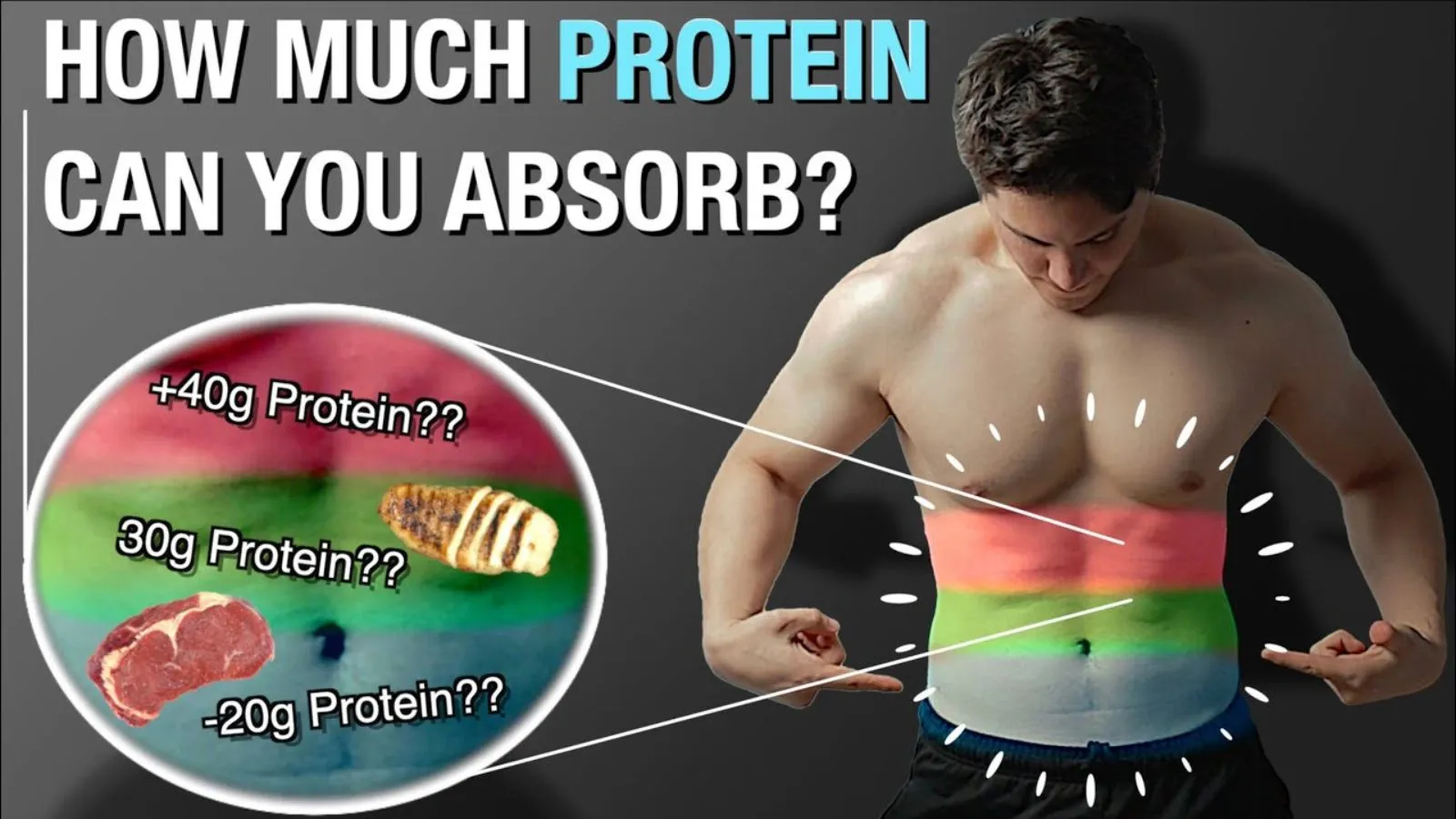
Many people believe the body can only absorb a limited amount of protein per meal, but research shows that your body can use protein efficiently over several hours. The key is consistent intake and spreading protein across meals rather than relying on one large serving.
Practical Tips:
- Include a protein source in every meal, such as eggs at breakfast or chicken at lunch.
- Combine protein with carbs post-workout to replenish energy and enhance recovery.
- Use snacks like Greek yogurt, nuts, or protein shakes to maintain intake between meals.
By timing and distributing your protein strategically, you can improve muscle growth, recovery, and overall health while making your intake more manageable and effective.
Best Sources of Protein
1. Animal-Based Proteins:
These are complete proteins, meaning they contain all nine essential amino acids. Popular options include:
- Chicken and Turkey: Lean, versatile, and high in protein.
- Beef and Pork: Rich in protein and iron, good for muscle repair.
- Fish and Seafood: Salmon, tuna, and shrimp provide protein plus omega-3s.
- Eggs: Affordable, nutrient-dense, and highly bioavailable.
- Dairy: Greek yogurt, cottage cheese, and milk are great protein sources with calcium.
2. Plant-Based Proteins:
While some plant proteins are incomplete, combining them ensures you get all essential amino acids. Options include:
- Legumes: Lentils, chickpeas, and beans are rich in protein and fiber.
- Soy Products: Tofu, tempeh, and edamame are excellent complete protein sources.
- Grains: Quinoa and buckwheat provide protein and essential nutrients.
- Nuts and Seeds: Almonds, chia seeds, and pumpkin seeds add protein and healthy fats.
Tips for Maximizing Protein Intake:
- Mix plant proteins to get a complete amino acid profile.
- Incorporate protein in every meal to meet daily goals.
- Use high-protein snacks like nuts, seeds, or protein bars between meals.
By selecting a variety of high-quality protein sources, you can easily meet your daily protein needs, support muscle growth, aid recovery, and maintain overall health without relying solely on supplements.
Protein Supplements Pros and Cons
Protein supplements can be a convenient way to meet your protein per pound of body weight goals, but they are not always necessary. Understanding the benefits and drawbacks can help you use them effectively.
Pros of Protein Supplements:
- Convenience: Quick and easy, especially post-workout or during busy days.
- Accurate Dosage: Supplements like whey or plant-based powders allow precise measurement of protein intake.
- Variety: Different forms—whey, casein, soy, pea, or hemp—cater to dietary preferences and restrictions.
- Muscle Recovery: High-quality protein powders can support faster muscle repair after exercise.
Cons of Protein Supplements:
- Cost: Supplements are often more expensive than whole foods.
- Overreliance: Relying only on powders can limit nutrient variety from whole foods, like fiber, vitamins, and minerals.
- Digestive Issues: Some people may experience bloating, gas, or intolerance to certain types of protein, such as whey.
- Unnecessary if Diet is Sufficient: If you already meet protein needs through balanced meals, supplements may offer no extra benefit.
Tips for Safe and Effective Use:
- Use supplements to fill gaps, not replace meals.
- Choose reputable brands with minimal additives.
- Pair supplements with whole foods for balanced nutrition.
- Monitor total protein intake to avoid excessive consumption.
When used wisely, protein supplements can help you reach your protein targets efficiently, support muscle growth, and improve recovery, but they should complement a diet rich in whole, nutrient-dense foods.
Common Mistakes When Calculating Protein
1. Overestimating Protein Needs:
Many assume “more is better,” but consuming significantly above your needs rarely provides extra benefits for muscle growth or fat loss. For most people, 1–1.5 grams per pound of body weight is sufficient, depending on activity level.
2. Ignoring Total Calorie Intake:
Protein is important, but overall calories matter. Eating excessive protein without balancing carbs and fats can lead to weight gain or energy deficits that hinder performance.
3. Not Adjusting for Activity or Fitness Goals:
Sedentary individuals or those aiming for maintenance often require less protein than athletes or bodybuilders. Using the same high protein intake for every goal can be inefficient.
4. Relying Too Much on Supplements:
While protein powders are convenient, overreliance can reduce intake of other essential nutrients found in whole foods, such as fiber, vitamins, and minerals.
5. Skipping Protein Timing and Distribution:
Consuming protein in one large meal instead of spreading it throughout the day can limit muscle protein synthesis and recovery.
6. Confusing Protein Sources:
Not all proteins are equal. Plant proteins may require combination to ensure all essential amino acids are consumed, while animal proteins are complete.
FAQs:
1. Can I eat more protein than my body needs?
Yes, but consuming excess protein beyond your daily requirements usually doesn’t increase muscle growth. The body either uses it for energy or stores it as fat. Aim to meet your target based on weight, activity, and goals rather than exceeding it unnecessarily.
2. Does timing of protein intake really matter?
Yes, to some extent. Spreading protein evenly across 3–5 meals supports muscle repair and protein synthesis. Post-workout protein is particularly important for recovery.
3. Are plant-based proteins as effective as animal proteins?
Plant proteins can be just as effective if you combine sources to ensure all essential amino acids. Examples include beans with rice or tofu with quinoa. Animal proteins are naturally complete.
4. How do I track my protein intake easily?
Use apps or food diaries to log meals. Check nutrition labels and estimate portions of high-protein foods like meat, eggs, legumes, and dairy.
5. Can high protein harm my kidneys?
In healthy individuals, high protein intake is generally safe. People with pre-existing kidney disease should consult a doctor before increasing protein.
6. What is the ideal protein intake per pound for beginners vs athletes?
Beginners can start around 0.8–1 gram per pound, while athletes or those training intensely may require 1–1.5 grams per pound, depending on their goals.
Conclusion
Understanding your protein per pound of body weight is essential for achieving fitness goals, whether that’s building muscle, losing fat, or maintaining overall health.
Calculating protein intake based on your body weight allows for a personalized approach, ensuring your body gets the nutrients it needs without overconsumption.
Factors like age, activity level, metabolism, and fitness goals all influence how much protein you require, and spreading intake throughout the day maximizes muscle repair and recovery.
Choosing a variety of high-quality protein sources, from both animal and plant-based foods, helps meet your amino acid needs while supporting overall nutrition.
Protein supplements can be helpful for convenience, but they should complement, not replace, whole foods.
By following these strategies, tracking your intake, and adjusting based on your goals, you can fuel your body efficiently, improve performance, and maintain optimal health.

I’m Etalia Robert, a quotes expert at Quotesfuel.com — sharing inspiring words and timeless wisdom to fuel your motivation every day!