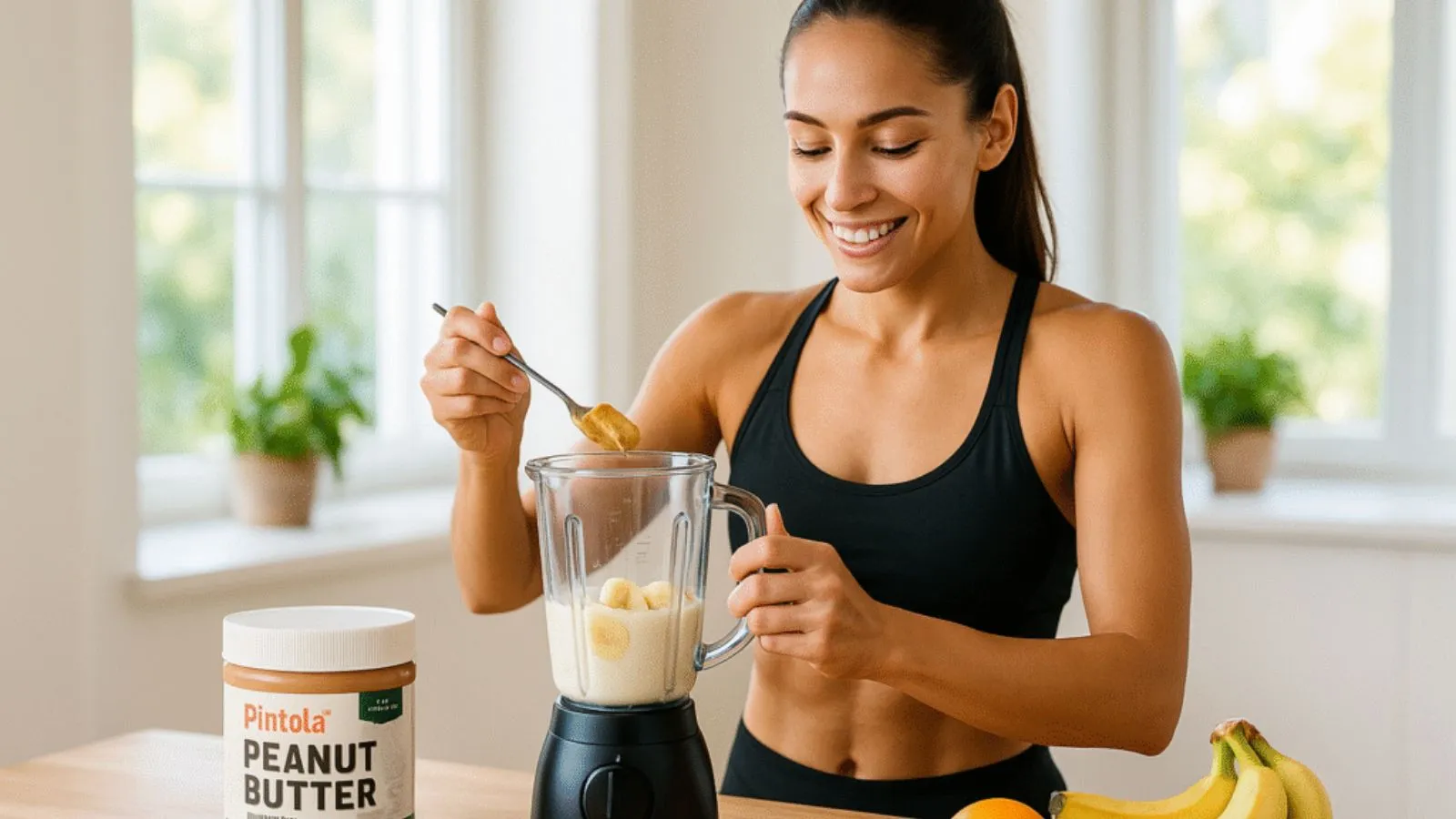
Peanut butter is one of the most popular spreads worldwide, loved for its creamy texture, rich flavor, and protein-packed punch.
But if you’ve ever hesitated before spreading it on your toast or adding it to your smoothie, chances are you’ve wondered: does peanut butter make you gain weight? This question pops up frequently because peanut butter is high in calories and fat, and many people assume it automatically leads to weight gain. However, the reality is more nuanced.
If peanut butter affects your weight depends on portion size, the type of peanut butter you choose, and your overall lifestyle.
In this article, we’ll explore the nutritional facts behind peanut butter, how it impacts metabolism, and the best ways to include it in your diet without packing on pounds. We’ll also debunk common myths and share practical tips for enjoying peanut butter while staying healthy and fit.
Peanut Butter Nutrition Facts Calories and Macros
Peanut butter is often labeled as a high-calorie food, but understanding its nutritional breakdown can help you use it wisely in your diet. On average, two tablespoons (about 32 grams) of peanut butter contain around 190–200 calories, making it calorie-dense but also highly nutritious. It provides 7–8 grams of protein, which is great for muscle repair and satiety, 16–18 grams of fat, primarily heart-healthy monounsaturated and polyunsaturated fats, and 6–8 grams of carbohydrates, including 2 grams of fiber.
Not all peanut butter is created equal. Natural peanut butter, made from just peanuts and sometimes salt, contains no added sugar or hydrogenated oils. On the other hand, commercial peanut butter brands often add sugar, palm oil, and other additives, which increase calories and reduce nutritional value.
The healthy fats in peanut butter can help keep you full longer, potentially preventing overeating. Fiber also aids digestion and stabilizes blood sugar levels. While it is high in calories, peanut butter can fit into a balanced diet if consumed in controlled portions. Choosing the right type and limiting intake to 1–2 tablespoons per day ensures you get its benefits without unnecessary weight gain.
Can Peanut Butter Cause Weight Gain?
Peanut butter often gets a bad reputation for causing weight gain, mainly because it is calorie-dense. However, the truth is more nuanced. Weight gain occurs when you consistently consume more calories than your body burns, creating a calorie surplus. Peanut butter alone isn’t inherently “fattening” it’s just one part of your overall diet.
Eating small, controlled portions of peanut butter can actually be part of a healthy diet without leading to weight gain. For example, adding a tablespoon of natural peanut butter to your morning oatmeal provides healthy fats and protein, which can keep you fuller for longer and prevent unhealthy snacking later in the day. On the other hand, overeating peanut butter, especially the sugary, processed varieties, can add hundreds of extra calories quickly, which may contribute to fat storage over time.
Lifestyle factors also play a big role. Active individuals who burn more calories through exercise can include peanut butter in their diet with minimal risk of weight gain. Conversely, sedentary individuals may need to watch portions more carefully.
In short, peanut butter does not automatically make you gain weight. The key is understanding your calorie needs, choosing natural or low-sugar options, and practicing moderation. When consumed wisely, peanut butter can even support weight management rather than hinder it.
Peanut Butter and Metabolism
Peanut butter isn’t just a tasty treat it can also influence your metabolism in beneficial ways. The protein and healthy fats found in peanut butter play a key role in regulating how your body uses energy. Protein requires more energy to digest, meaning your body burns extra calories processing it, a concept known as the thermic effect of food. This helps support a higher metabolic rate compared to eating the same number of calories from sugar or refined carbs.
Healthy fats, such as monounsaturated and polyunsaturated fats, also contribute to satiety, keeping you full for longer periods. This fullness can prevent overeating and reduce cravings, indirectly supporting weight management. Additionally, the fiber in peanut butter aids digestion, stabilizes blood sugar, and helps regulate insulin levels—another factor linked to metabolism and fat storage.
It’s important to note that moderation is key. Consuming peanut butter in controlled portions (about 1–2 tablespoons per day) can provide these metabolic benefits without contributing to excessive calorie intake. When combined with a balanced diet and regular physical activity, peanut butter can be a metabolism-friendly food rather than a weight-gain culprit.
Portion Control The Key to Preventing Weight Gain
One of the most important factors in preventing weight gain from peanut butter is portion control. Because peanut butter is calorie-dense—containing roughly 190–200 calories per two-tablespoon serving—eating large amounts can quickly lead to a calorie surplus, even if the rest of your diet is balanced.
Experts recommend limiting peanut butter to 1–2 tablespoons per day. Measuring your servings using a spoon or small container is much more reliable than guessing, as it’s easy to unintentionally double or triple your intake. For reference, a tablespoon is about the size of your thumb, which can help you visualize the correct portion.
Pairing peanut butter with high-fiber foods, like apples, celery, or whole-grain bread, also helps you feel satisfied with a smaller amount. Spreading a measured serving on toast or mixing it into oatmeal ensures you enjoy the flavor and nutritional benefits without overdoing calories.
Additionally, keeping peanut butter out of the jar for snacking can prevent mindless eating. Many people scoop directly from the jar, which often leads to consuming far more than intended. Pre-portioning peanut butter into small containers or using single-serving packets is an effective strategy.
In essence, portion control is the bridge between enjoying peanut butter and maintaining a healthy weight. By being mindful of servings, you can reap its protein, healthy fats, and fiber benefits without worrying about unwanted weight gain.
Healthy Ways to Eat Peanut Butter Without Gaining Weight
Peanut butter can be part of a healthy diet, but the key is smart pairing and portion control. Choosing natural, unsweetened peanut butter ensures you get healthy fats and protein without added sugars or hydrogenated oils that can contribute to unnecessary calories.
One of the easiest ways to enjoy peanut butter is by pairing it with high-fiber foods. Spread a tablespoon on apple slices, celery sticks, or whole-grain toast to create a satisfying snack that keeps you full longer. You can also stir a small amount into oatmeal, yogurt, or smoothies, which adds flavor, protein, and healthy fats without excessive calories.
Another tip is to use pre-measured servings. Instead of scooping straight from the jar, portion out one or two tablespoons into a small bowl or container. This simple habit prevents overeating and helps you stay within your daily calorie goals.
Avoid using peanut butter in high-calorie desserts or combining it with sugary spreads, as these combinations can turn a healthy food into a calorie bomb.
Finally, incorporating peanut butter into your meal plan strategically—for example, as part of breakfast or post-workout snacks—ensures you get energy and satiety benefits without contributing to fat gain. With mindful eating, peanut butter can be a nutritious and enjoyable part of your diet without negatively impacting your weight.
Peanut Butter for Muscle Gain vs. Fat Gain
Peanut butter can be an excellent ally for those looking to build muscle, but it can also contribute to fat gain if consumed carelessly. The distinction lies in calorie balance and overall lifestyle. Peanut butter is rich in protein and healthy fats, which provide the energy and nutrients needed to support muscle repair and growth. For people engaged in strength training or other high-intensity workouts, including 1–2 tablespoons of peanut butter as part of a post-workout snack can help replenish energy and promote muscle synthesis.
However, if you consume peanut butter without balancing your overall calorie intake, particularly in a sedentary lifestyle, it can lead to fat gain. Eating more calories than your body burns, even from healthy sources like peanut butter, will result in stored fat over time.
The key is to integrate peanut butter strategically:
- For muscle gain: Include it in meals or snacks within a controlled calorie surplus while maintaining a structured workout routine.
- For weight maintenance or fat loss: Limit portions, pair with high-fiber foods, and account for its calories in your daily intake.
In short, peanut butter is not inherently “fattening.” Its effect on your body depends on how much you eat, when you eat it, and your activity level. With mindful consumption, it can support muscle growth without unwanted fat accumulation.
Common Myths About Peanut Butter and Weight Gain
Myth 1: Peanut Butter Always Makes You Fat
Many people assume that because peanut butter is calorie-dense, it will automatically lead to weight gain. In reality, weight gain occurs only when you consistently consume more calories than your body burns. Eating moderate portions of peanut butter, especially as part of a balanced diet, does not inherently cause fat gain.
Myth 2: Only Low-Fat Peanut Butter Is Healthy
Some people choose low-fat peanut butter thinking it is better for weight control. However, healthy fats in regular peanut butter are essential for satiety, heart health, and nutrient absorption. Often, low-fat versions have added sugar, which can be worse for weight management than the fat itself.
Myth 3: Peanut Butter Should Be Avoided for Weight Loss
Weight-loss diets sometimes exclude peanut butter entirely, but this isn’t necessary. In controlled portions, peanut butter can actually support weight loss by keeping you full, reducing unhealthy snacking, and providing essential protein and fats.
Myth 4: All Peanut Butter Is the Same
Processed peanut butter with added sugar and oils can contribute to excess calories and fat gain, unlike natural peanut butter made from just peanuts. Choosing the right type matters more than avoiding peanut butter altogether.
Real-Life Scenarios Who Gains Weight and Who Doesn’t
Scenario 1: Sedentary Lifestyle
Someone with a mostly sedentary lifestyle who consumes peanut butter daily without accounting for its calories may notice gradual weight gain. Even natural peanut butter can add up if consumed in large amounts or alongside other high-calorie foods. In this case, the key is portion control and balancing intake with daily energy expenditure.
Scenario 2: Active Lifestyle
An active individual, such as someone who exercises regularly, burns more calories throughout the day. Including 1–2 tablespoons of peanut butter as part of breakfast or a post-workout snack provides protein and healthy fats to support muscle recovery without necessarily causing fat gain. In this scenario, peanut butter is more likely to support energy needs than contribute to unwanted weight.
Scenario 3: Weight Management
A person carefully tracking calories can include peanut butter in their diet by measuring servings and pairing it with fruits, vegetables, or whole grains. This approach allows enjoyment of peanut butter’s flavor and nutrients while maintaining weight or even supporting fat loss.
FAQs:
1. Can I eat peanut butter every day?
Yes, you can eat peanut butter daily if you stick to moderate portions (1–2 tablespoons). Daily consumption provides protein, healthy fats, and fiber, which can support satiety and overall nutrition.
2. Is natural peanut butter better than processed peanut butter?
Absolutely. Natural peanut butter contains only peanuts and sometimes salt, without added sugar or hydrogenated oils. Processed versions often include sugar and unhealthy fats, which can increase calorie intake and the risk of weight gain.
3. How much peanut butter is too much?
Consuming more than 2–3 tablespoons daily regularly can lead to excess calorie intake, especially if you are not physically active. Portion control is essential for avoiding unwanted weight gain.
4. Does peanut butter affect blood sugar?
Natural peanut butter has a low glycemic index, meaning it has minimal impact on blood sugar levels. This makes it a better choice than sugary spreads or snacks.
5. Can peanut butter help with weight loss?
Yes, when eaten in controlled portions. Its protein and healthy fats can increase satiety, reduce cravings, and support a calorie-conscious diet.
Conclusion
Peanut butter often gets a bad reputation for causing weight gain, but the truth is far more nuanced. It does not automatically make you fat; the impact on your weight depends largely on portion size, overall diet, and activity level.
Natural peanut butter, in moderate amounts, provides protein, healthy fats, and fiber, which can support satiety, energy levels, and even weight management.
The key is mindful consumption measuring servings, choosing unsweetened options, and pairing peanut butter with fruits, vegetables, or whole grains.
Active individuals can enjoy it as part of a balanced diet or post-workout snack, while those monitoring calories should pay extra attention to portions.
By understanding the nutritional benefits, debunking common myths, and practicing moderation, peanut butter can be a delicious and healthy addition to your diet without contributing to unwanted weight gain. It’s all about making smart choices and enjoying it responsibly.

I’m Etalia Robert, a quotes expert at Quotesfuel.com — sharing inspiring words and timeless wisdom to fuel your motivation every day!