If you’ve ever wondered whether a simple bowl of soup can actually help you shed pounds, you’re not alone. I used to think soup was just a comfort food, great for cold days but not really a weight-loss solution.
Then I started exploring different types of soups and realized how powerful they can be for managing calories and staying full. From light, broth-based soups to protein-packed vegetable stews, there’s a wide variety that can satisfy your hunger without packing on extra calories.
The key is choosing the right ingredients and understanding how soup affects satiety, hydration, and portion control.
In this article, we’ll break down which soups are truly weight-loss-friendly, which ones to avoid, and how you can make your own delicious, slimming soups at home. By the end, you’ll know exactly how soup can fit into your weight-loss journey.
How Soup Supports Weight Loss
Soup isn’t just a comforting meal it can be a smart strategy for weight loss if chosen wisely. One of the main reasons soup is effective is its low-calorie, high-volume nature. A big bowl of vegetable or broth-based soup can fill your stomach without adding too many calories, helping you naturally eat less during your next meal. This is because soups often have a high water content, which increases satiety and keeps you feeling full longer.
Another benefit of soup is its ability to boost hydration. Many people underestimate how important water is for weight management. Soups with a high liquid content help keep your body hydrated, which supports metabolism and can prevent unnecessary snacking caused by mild dehydration.
Soup also encourages portion control. Unlike solid meals that can tempt you to overeat, a bowl of soup is easy to measure, making it simple to stick to a calorie-conscious meal plan. Adding fiber-rich vegetables or lean proteins further enhances its weight-loss benefits by slowing digestion and reducing hunger.
Finally, soups are incredibly versatile. You can create low-calorie, high-protein, or even metabolism-boosting spicy versions to suit your goals. By incorporating soups regularly into your diet, you’re not only enjoying delicious meals but also supporting your weight-loss journey in a sustainable and satisfying way.
Best Types of Soup for Weight Loss
Not all soups are created equal when it comes to losing weight. Choosing the right type can make a big difference in calories, satiety, and overall nutrition. The best soups for weight loss are usually broth-based, vegetable-rich, or high in protein.
Broth-Based Soups are ideal for anyone looking to cut calories. Clear broths made from chicken, beef, or vegetables provide flavor without heavy fats or cream. These soups fill you up because of their water content while keeping your calorie intake low, making them perfect as a starter or even a main meal.
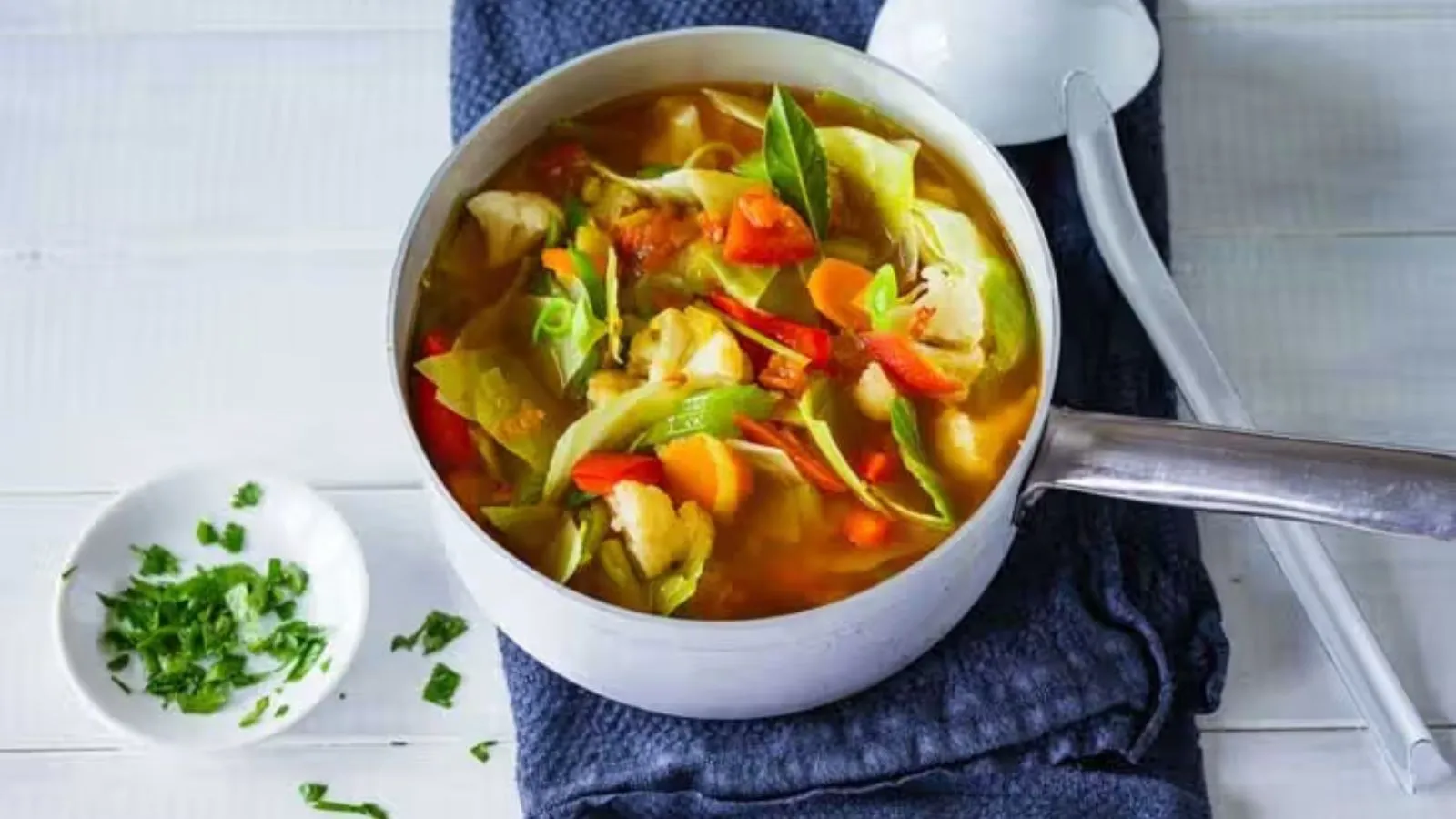
Vegetable Soups are another excellent choice. Packed with fiber, vitamins, and minerals, these soups slow digestion and help you feel full longer. Examples include tomato soup, minestrone, and cabbage soup. The high fiber content reduces overeating at your next meal while keeping your body nourished.
High-Protein Soups are especially useful if you want to maintain muscle mass while losing fat. Soups containing lentils, beans, chicken, turkey, or tofu provide protein that increases satiety and supports metabolism. Protein-rich soups are ideal for lunch or dinner because they keep hunger at bay for hours.
You can also experiment with spicy soups, as adding ingredients like chili or ginger can slightly boost metabolism and reduce cravings. By combining these soup types, you can enjoy variety while staying on track with your weight-loss goals.
Soups to Avoid During Weight Loss
While soups can be an excellent tool for weight loss, not all soups are created equal. Some types can actually hinder your progress if consumed regularly. Knowing which soups to avoid is just as important as knowing which ones to include.
Creamy and High-Fat Soups are often packed with calories, butter, cream, or cheese. While they taste delicious, a small bowl can contain as many calories as an entire light meal. Examples include creamy potato soup, clam chowder, and cream of mushroom soup. Regularly consuming these soups can quickly add extra calories, making weight loss harder.
High-Sodium Soups are another trap. Many canned or pre-packaged soups contain excessive salt, which can cause water retention, bloating, and increased blood pressure. Even low-calorie soups can backfire if the sodium content is too high, leaving you feeling bloated rather than satisfied.
Pre-Packaged or Instant Soups should also be consumed with caution. They often contain preservatives, artificial flavors, and hidden sugars, which can reduce their nutritional value and make them less effective for weight management.
To stay on track, focus on fresh, homemade soups with natural ingredients and minimal added fat or salt. Avoiding these higher-calorie and processed options ensures that your soup meals actually support your weight-loss goals rather than hinder them. Remember, the key is not just eating soup but choosing the right soup for a healthy, sustainable plan.
How to Make Weight-Loss-Friendly Soups at Home
Making soups at home is one of the best ways to control calories and maximize nutrition for weight loss. When you cook your own soup, you decide exactly what goes in it, ensuring it’s low in fat, sodium, and unnecessary additives.
Choose Healthy Ingredients:
Start with a flavorful base like vegetable or chicken broth. Add plenty of fresh vegetables such as carrots, spinach, broccoli, and zucchini. Vegetables are high in fiber and water, which helps you feel full while keeping calories low. For protein, include lean meats, beans, lentils, or tofu.
Flavor Without Extra Calories:
You don’t need cream or butter to make soups delicious. Use herbs like parsley, cilantro, thyme, or basil, and spices like garlic, ginger, cumin, or chili to enhance taste. A splash of lemon or vinegar can also brighten flavors without adding calories.
Batch Cooking Tips:
Prepare large portions and store them in airtight containers. This makes healthy soup readily available for busy days and helps prevent unhealthy snacking. Portion control is easier when you serve soup from pre-measured containers.
Easy Recipe Ideas:
Try a simple vegetable minestrone, chicken and vegetable soup, or lentil and spinach stew. All of these options are nutrient-dense, filling, and perfect for a weight-loss-friendly diet.
Soup Diets – Do They Really Work?
Short-Term Soup Diets can lead to rapid weight loss because soups are usually low in calories and high in water content. For example, a cabbage soup diet or a vegetable soup cleanse may help you shed a few pounds in a week. These diets are effective for quick results, but they are often restrictive and lack long-term sustainability. Relying only on soups for multiple meals can lead to nutrient deficiencies if not carefully planned.
Long-Term Benefits come from incorporating soups into a balanced diet rather than replacing every meal. When used strategically, soups help control calorie intake, boost vegetable and protein consumption, and keep you feeling full longer. Eating soup before meals can naturally reduce overall food intake without making you feel deprived.
Scientific Evidence supports that broth-based and vegetable-rich soups can aid weight loss. Studies show that starting a meal with soup reduces calorie intake at the same meal, thanks to its volume and fiber content. Additionally, protein-rich soups support muscle maintenance, which is crucial for sustainable fat loss.
Potential Risks include over-reliance on low-calorie soups, which may lead to fatigue, nutrient deficiency, or loss of lean muscle. For healthy weight loss, soup diets work best when combined with a varied diet, exercise, and proper hydration.
Real-Life Examples and Success Stories
Many people have successfully incorporated soup into their weight-loss journeys, proving that this simple meal can be both satisfying and slimming. For example, Sarah, a busy professional, started having a bowl of vegetable soup before dinner every day. She noticed that she naturally ate smaller portions of her main meal and lost 8 pounds in just a month without feeling deprived.
John, who wanted to increase protein intake while losing fat, created chicken and lentil soups for lunch. High in protein and fiber, these soups kept him full until dinner, reducing unnecessary snacking. Over three months, he lost weight steadily while maintaining energy for workouts.
Another common success story involves the batch-cooked soup approach. Many dieters prepare large portions of homemade soups on weekends, such as minestrone or cabbage soup, and portion them into containers for the week. This strategy prevents reliance on high-calorie takeout meals and keeps healthy, weight-loss-friendly food always available.
Some favorite soups that helped people lose weight include:
- Minestrone Soup: Packed with vegetables and beans.
- Chicken and Vegetable Soup: Lean protein with fiber-rich veggies.
- Lentil and Spinach Soup: High in protein and very filling.
The key takeaway is that soup works best when used as a tool for satiety and portion control, rather than a strict diet. Real-life examples show that consistency, variety, and mindful ingredient choices can turn simple soups into a sustainable part of a successful weight-loss plan.
(FAQs)
1. Can I eat soup every day for weight loss?
Yes, you can eat soup daily, but it’s best to choose low-calorie, nutrient-dense options like vegetable, broth-based, or high-protein soups. Eating a variety ensures you get all essential nutrients.
2. Is creamy soup completely off-limits?
Not necessarily, but creamy soups are usually high in calories and fat. If you enjoy them, try making lighter versions using blended vegetables or low-fat milk instead of cream.
3. How much soup should I eat per meal?
A standard portion of 1–2 cups is enough as a starter to reduce overall meal calories. For a main meal, 2–3 cups of a hearty, low-calorie soup with protein and vegetables works well.
4. Can soup replace other meals entirely?
Occasionally, yes. But relying solely on soup may cause nutrient deficiencies over time. Pairing soups with lean proteins, whole grains, or salads ensures a balanced diet.
5. Does soup help with belly fat specifically?
Soup can help reduce overall calorie intake, which may lead to weight loss, including around the belly. However, targeted fat loss isn’t possible, so it’s important to combine soup meals with exercise and healthy habits.
6. Are pre-packaged soups effective for weight loss?
Most pre-packaged soups are high in sodium and preservatives, which can hinder weight loss. Homemade soups are always the better choice for controlling calories and nutrients.
Conclusion
Soup can be a surprisingly effective tool for weight loss when chosen and prepared thoughtfully. Its high water content and fiber-rich ingredients help you feel full, reduce overall calorie intake, and support healthy digestion.
By opting for broth-based, vegetable, or high-protein soups, you can enjoy satisfying meals that promote weight management without feeling deprived.
While some soups especially creamy, high-fat, or high-sodium options can hinder progress, homemade soups give you full control over ingredients and nutrition.
Batch-cooking soups for the week, using fresh vegetables, lean proteins, and natural seasonings, makes it easy to stick to a healthy eating plan. Adding spices, herbs, or a splash of lemon can boost flavor without adding extra calories, making your weight-loss journey both enjoyable and sustainable.
Soup diets can also support short-term weight loss, but long-term success comes from incorporating soups into a balanced, varied diet rather than relying solely on them.
Real-life examples show that people who consistently eat weight-loss-friendly soups before meals, or as part of lunch and dinner, experience reduced hunger, better portion control, and steady results over time.
Ultimately, soup is not just a comfort food it’s a practical, flexible, and nutrient-dense option that fits easily into a weight-loss strategy.
By making smart choices and preparing soups at home, you can enjoy delicious meals while steadily working toward your health and weight-loss goals.

I’m Charles Dickens, a quotes expert at Quotesfuel.com — sharing timeless wisdom and inspiring words to brighten your day and uplift your mind