Himalayan pink salt has become a popular health trend, often praised for its potential benefits in weight loss and overall wellness.
Unlike regular table salt, this mineral-rich pink salt contains trace elements like magnesium, potassium, and calcium, which supporters claim can improve digestion, reduce bloating, and balance electrolytes.
Many weight-conscious individuals are curious whether incorporating Himalayan pink salt into their diet or using it in detox drinks—such as sole water—can actually help shed pounds.
While some of the benefits are backed by science, others remain anecdotal, making it important to separate fact from myth.
In this article, we’ll explore the science behind Himalayan pink salt, its potential effects on metabolism and hydration, safe ways to use it for weight management, and common misconceptions.
By the end, you’ll understand how pink salt can support your health while keeping realistic expectations for weight loss.
What Is Himalayan Pink Salt?
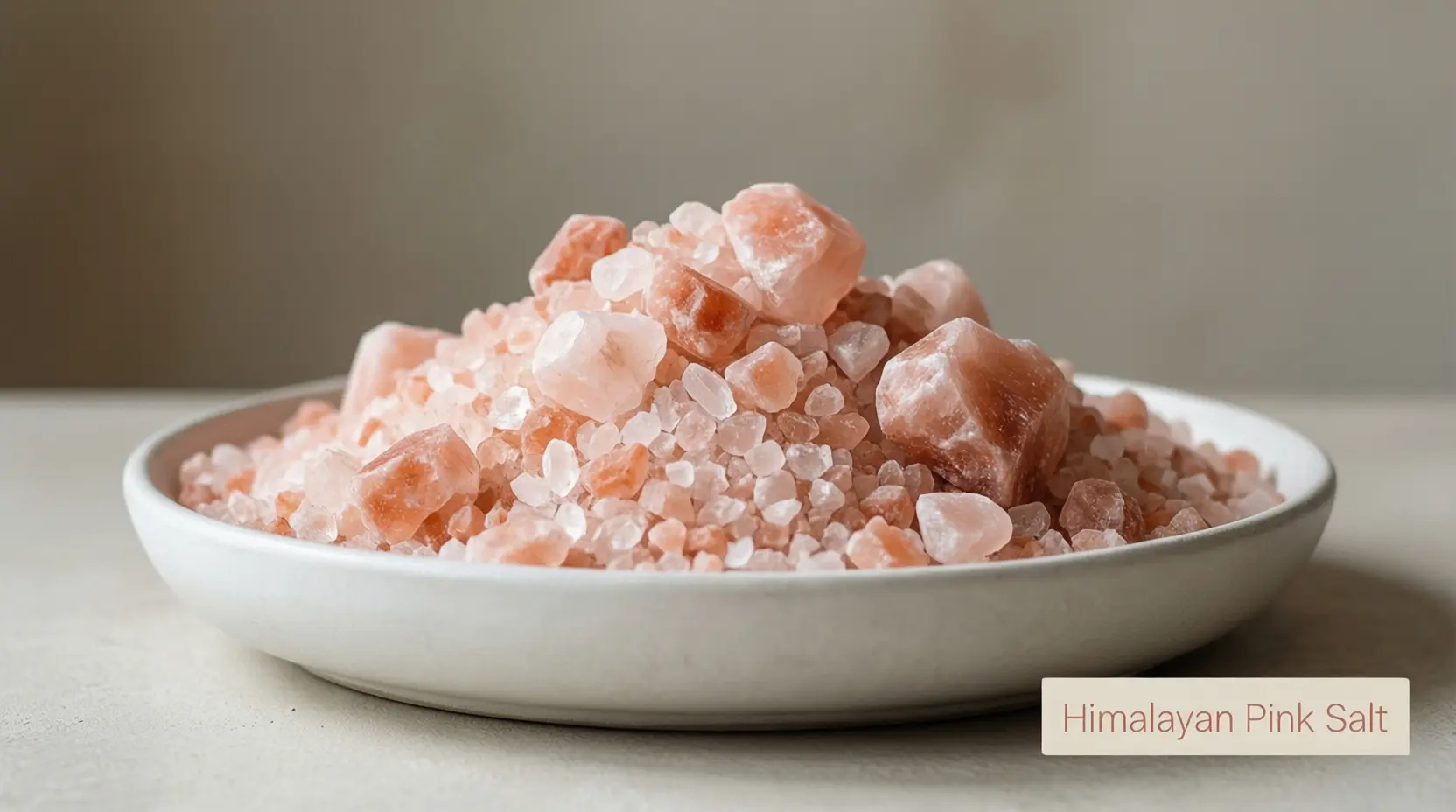
Himalayan pink salt is a natural mineral salt mined from the Himalayan mountains, primarily in Pakistan. Its distinctive pink color comes from trace minerals such as iron, magnesium, potassium, and calcium, which are naturally present in small amounts. Unlike regular table salt, which is highly processed and often stripped of nutrients, Himalayan pink salt is minimally refined, retaining its natural mineral content.
This salt has gained worldwide popularity not just for its unique flavor and color but also for its purported health benefits. It is commonly used in cooking, seasoning, and even in spa treatments like salt baths and inhalers. Some enthusiasts claim that Himalayan pink salt can enhance hydration, support electrolyte balance, improve digestion, and even aid in weight loss.
From a culinary perspective, Himalayan pink salt has a slightly different taste profile compared to table salt, often described as milder yet richer. It can be used in place of regular salt in meals, added to beverages such as detox or sole water, and incorporated into wellness routines.
While its health benefits are often debated, Himalayan pink salt is considered a more natural and nutrient-containing alternative to highly processed salts. Understanding its composition and properties lays the foundation for exploring how it may support weight management and overall health, which we will cover in the next sections.
How Himalayan Pink Salt Is Believed to Support Weight Loss
Himalayan pink salt is often promoted as a natural aid for weight loss, but it’s important to understand how it may contribute indirectly rather than directly burning fat. One of the main claims is that it improves digestion. The trace minerals in pink salt are believed to stimulate digestive enzymes and enhance nutrient absorption, which can reduce bloating and discomfort—factors that sometimes make the stomach appear slimmer.
Another commonly cited benefit is its role in reducing water retention. Proper electrolyte balance, which Himalayan pink salt may support, helps the body maintain hydration without holding excess water, potentially decreasing temporary weight gain caused by fluid accumulation.
Some wellness enthusiasts also suggest that pink salt can boost metabolism slightly by supporting proper cellular function and hydration. Staying hydrated is crucial for efficient metabolic processes, and a small amount of mineral-rich salt in water may encourage this.
Popular practices include drinking sole water—a mixture of Himalayan pink salt and water—especially in the morning, to kickstart digestion and hydration. Others incorporate the salt into meals to replace highly processed table salt, claiming it helps curb cravings due to its richer flavor.
While these benefits may help support a weight-loss journey, it’s important to note that Himalayan pink salt alone cannot melt fat. Sustainable weight loss still requires a balanced diet, regular exercise, and a calorie-conscious lifestyle.
Scientific Evidence and Expert Opinions
While Himalayan pink salt is often praised for its health benefits, scientific evidence specifically linking it to weight loss is limited. Research shows that salt, including pink salt, primarily affects the body by regulating fluid balance and electrolyte levels, rather than directly burning fat. Sodium, a key component of all salts, helps maintain hydration, nerve function, and muscle contractions—but excessive intake can lead to water retention and increased blood pressure.
Experts emphasize that while the trace minerals in Himalayan pink salt—such as magnesium, potassium, and calcium—are beneficial for overall health, they exist in very small amounts. The quantities consumed in daily seasoning are unlikely to produce a significant metabolic boost. Therefore, any weight-loss benefits are mostly indirect, such as improved digestion, reduced bloating, or better hydration.
Nutritionists also caution against relying on sole water or other detox drinks as a weight-loss strategy. While they may help with temporary water weight reduction, sustainable fat loss requires a calorie deficit through balanced nutrition and regular exercise.
Several studies highlight the importance of replacing highly processed table salt with minimally refined salts like Himalayan pink salt for general wellness. It may encourage better hydration habits, support digestion, and enhance the flavor of healthy meals, making it easier to maintain a weight-conscious diet.
In summary, Himalayan pink salt can be a healthier alternative to regular salt and may indirectly support weight management, but it is not a magic solution for fat loss. Real results come from lifestyle choices combined with mindful eating and physical activity.
Popular Himalayan Pink Salt Weight-Loss Practices
Himalayan pink salt has inspired several popular practices that claim to support weight loss, though their effectiveness varies. One of the most well-known methods is sole water, a simple mixture of Himalayan pink salt and water. Advocates suggest drinking a small amount in the morning can improve hydration, stimulate digestion, and balance electrolytes. While it may reduce bloating temporarily by helping the body manage fluids, it should be consumed in moderation to avoid excess sodium intake.
Another practice is incorporating pink salt into detox drinks or morning routines. These beverages often combine lemon, water, and a pinch of pink salt, with claims of flushing toxins and boosting metabolism. While such drinks can encourage better hydration and a healthier morning habit, there is no scientific evidence that they directly burn fat.
Some people also use Himalayan pink salt in salt baths or as part of spa treatments, believing it draws out toxins and promotes weight loss. Though relaxing and potentially beneficial for skin and circulation, the weight-loss effects are mostly anecdotal and temporary.
In daily cooking, many switch from regular table salt to pink salt to reduce processed additives and enhance flavor. Its richer taste can make meals more satisfying, potentially reducing overeating or cravings.
Ultimately, while these practices may support hydration, digestion, and overall wellness, Himalayan pink salt should be viewed as a supplementary aid, not a standalone solution for weight loss. Sustainable results come from combining these habits with balanced nutrition and regular physical activity.
Health Benefits Beyond Weight Loss
While Himalayan pink salt is often associated with weight management, it offers several additional health benefits that make it a valuable addition to a balanced lifestyle. One key benefit is electrolyte balance. The trace minerals in pink salt, including potassium, magnesium, and calcium, help regulate fluid levels, support nerve function, and maintain proper muscle contractions. This is especially important for people who exercise regularly or experience dehydration.
Improved hydration is another advantage. Unlike plain water, adding a small pinch of Himalayan pink salt to water can help the body retain fluids more efficiently, keeping cells hydrated and supporting overall metabolic function. Staying hydrated can also reduce water retention caused by imbalances, helping the body feel lighter and less bloated.
Himalayan pink salt is also used for skin and relaxation purposes, particularly in salt baths or spa treatments. Bathing in mineral-rich water may soothe sore muscles, promote circulation, and encourage relaxation, indirectly supporting wellness habits that can aid weight management over time.
Additionally, some studies suggest that the minerals in pink salt may contribute to better digestion and gut health by stimulating enzyme production and promoting a balanced pH in the stomach. This can help reduce bloating and improve nutrient absorption.
Finally, replacing highly processed table salt with Himalayan pink salt can reduce exposure to additives while enhancing flavor, making healthy meals more enjoyable. Overall, while it is not a magic weight-loss solution, Himalayan pink salt can support hydration, digestion, relaxation, and general wellness, all of which contribute to a healthier lifestyle.
Risks and Safety Concerns
Although Himalayan pink salt offers several health benefits, it is important to be aware of potential risks, especially when consumed in excess. The primary concern is high sodium intake. Like all salts, Himalayan pink salt contains sodium, which is essential for fluid balance and nerve function but can raise blood pressure if consumed in large amounts. People with hypertension, kidney disease, or heart conditions should monitor their intake carefully and consult a healthcare professional before increasing salt consumption.
Another misconception is that Himalayan pink salt naturally provides sufficient iodine to prevent thyroid issues. While it contains trace minerals, the iodine content is not consistent and usually lower than iodized table salt. Relying solely on pink salt for iodine may lead to deficiencies over time.
Sole water or other concentrated salt drinks also carry risks. Drinking excessive amounts can cause electrolyte imbalance, dehydration, or gastrointestinal discomfort. It’s crucial to follow recommended amounts, typically just a teaspoon of pink salt dissolved in water per day.
Additionally, some people may experience sodium-related side effects, such as bloating, swelling, or headaches, especially if they are sensitive to salt.
In short, while Himalayan pink salt is generally safe in moderation, it is not risk-free. Using it responsibly—within daily recommended sodium limits—and in combination with a balanced diet and healthy lifestyle is the best way to enjoy its benefits without adverse effects. Awareness and moderation are key to preventing potential health issues while still supporting wellness.
How to Use Himalayan Pink Salt for Weight Loss Safely
Using Himalayan pink salt for weight management can be safe and effective if done in moderation and as part of a balanced lifestyle. One of the most popular methods is incorporating it into meals instead of highly processed table salt. Its richer flavor can help reduce the need for excessive salt or unhealthy seasonings, making meals more satisfying while supporting better eating habits.
Another common practice is drinking sole water, which is a mixture of one teaspoon of Himalayan pink salt dissolved in a glass of water. Consuming it in the morning can support hydration and electrolytes, potentially reducing temporary water retention and bloating. It’s important to start with small amounts and not exceed recommended daily sodium limits, typically around 2,300 mg per day for healthy adults.
Himalayan pink salt can also be used in detox drinks or herbal teas, paired with lemon or warm water. While these beverages may not directly cause fat loss, they encourage hydration and a mindful morning routine, which can complement weight management efforts.
Additionally, using Himalayan pink salt in cooking, seasoning, and even spa treatments like mineral baths can enhance wellness without adding excess sodium.
The key to safe use is moderation. Himalayan pink salt should supplement, not replace, a balanced diet, regular exercise, and overall healthy habits. When used responsibly, it can enhance hydration, digestion, and flavor, supporting a weight-conscious lifestyle without posing unnecessary health risks.
Himalayan Pink Salt vs Other Salts
Himalayan pink salt is often compared to other common salts, such as table salt and sea salt, to evaluate its benefits for health and weight management. Unlike highly processed table salt, which is stripped of most minerals and usually contains anti-caking agents, Himalayan pink salt is minimally refined and retains trace minerals like magnesium, potassium, and calcium. These minerals contribute to its pink color and slightly richer flavor, which can make meals more satisfying and potentially reduce the need for excessive seasoning.
Compared to sea salt, Himalayan pink salt is similar in mineral content, though the exact composition varies depending on the source. Both salts are less processed than table salt, but Himalayan pink salt is often marketed as the more natural option due to its origin in ancient salt deposits.
From a weight-loss perspective, the differences are subtle. Neither Himalayan pink salt nor sea salt directly burns fat, but both can help indirectly by supporting hydration, reducing bloating, and enhancing the taste of healthy meals. The key is moderation—using either as a replacement for processed salt can be beneficial, but overconsumption can lead to high sodium intake and associated health risks.
In addition, Himalayan pink salt is popular in wellness rituals, such as sole water or salt baths, which are less commonly practiced with table salt. While these methods are not scientifically proven to reduce body fat, they can encourage healthier routines and mindful habits.
In summary, Himalayan pink salt offers a mineral-rich, minimally processed alternative to table salt, with minor advantages over sea salt, supporting hydration, taste, and overall wellness.
Myths vs Facts About Himalayan Pink Salt and Weight Loss
Himalayan pink salt is surrounded by many claims, some backed by evidence and others that are more myth than fact. Understanding the difference is essential for anyone considering it as a weight-loss aid.
Myth 1: Himalayan pink salt burns fat.
Fact: No scientific study has proven that pink salt directly melts body fat. Any weight-loss effect is indirect, such as reduced bloating or improved hydration, rather than actual fat reduction.
Myth 2: Sole water is a miracle weight-loss drink.
Fact: Drinking sole water can help with hydration and electrolyte balance, but it does not cause fat loss on its own. Excessive consumption can be harmful, leading to high sodium levels and potential dehydration.
Myth 3: Himalayan pink salt detoxifies the body.
Fact: While mineral-rich salts can support skin health and promote relaxation in baths, the body naturally detoxifies through the liver, kidneys, and lymphatic system. Pink salt does not accelerate this process.
Fact: Himalayan pink salt can improve hydration, digestion, and taste.
Its trace minerals help maintain electrolyte balance, which supports fluid retention and reduces bloating. Replacing table salt with pink salt may also encourage healthier eating habits due to its stronger flavor.
Fact: Moderation is key.
Even though it is natural, excessive use can lead to high sodium intake, affecting blood pressure and heart health.
In conclusion, Himalayan pink salt offers some health benefits and can indirectly support weight management, but it is not a magic solution. Relying on it alone without a balanced diet, exercise, and lifestyle changes will not lead to sustainable weight loss.
FAQ:
1. Can Himalayan pink salt help you lose belly fat?
Himalayan pink salt does not directly burn fat, including belly fat. Any weight reduction is usually due to decreased water retention, better digestion, and improved hydration rather than actual fat loss. Sustainable results come from diet and exercise.
2. How much Himalayan pink salt is safe to consume daily?
For healthy adults, it’s recommended to stay within the general sodium limit of 2,300 mg per day, which is roughly one teaspoon of salt. Excessive consumption can lead to high blood pressure, bloating, and other health issues.
3. Can I drink sole water every day?
Yes, in moderation. One teaspoon of Himalayan pink salt dissolved in water daily can support hydration and electrolytes. Avoid overconsumption, as high sodium intake may cause dehydration or other complications.
4. Is Himalayan pink salt better than table salt for weight loss?
Himalayan pink salt is minimally processed and contains trace minerals, making it a healthier alternative to table salt. However, it does not directly promote weight loss; benefits are mainly indirect, such as improved hydration and reduced bloating.
5. Are there any risks of using Himalayan pink salt?
Yes. Excessive use can raise blood pressure, affect kidney function, or cause sodium-related side effects. People with hypertension, kidney disease, or heart conditions should consult a healthcare professional before increasing intake.
6. Can Himalayan pink salt detox the body?
While it may help in relaxation and skin health during baths, the body’s liver and kidneys are responsible for detoxification. Himalayan pink salt does not accelerate this natural process.
Conclusion
Himalayan pink salt is more than just a colorful alternative to regular table salt. Its trace minerals, such as magnesium, potassium, and calcium, contribute to hydration, electrolyte balance, and overall wellness.
However, moderation is key. Excessive intake can lead to high sodium levels, affecting blood pressure and kidney function.
People with hypertension, heart conditions, or kidney issues should exercise caution and consult a healthcare professional before increasing their salt intake.
Ultimately, Himalayan pink salt can be a supportive tool for a healthier lifestyle, but it should never replace balanced nutrition, regular physical activity, and mindful eating.
By combining its use with a well-rounded diet and active lifestyle, you can enjoy its benefits safely while maintaining realistic expectations about weight management.
Himalayan pink salt is a natural wellness aid, not a magic solution, but when used responsibly, it can enhance both flavor and overall well-being.

I’m Charles Dickens, a quotes expert at Quotesfuel.com — sharing timeless wisdom and inspiring words to brighten your day and uplift your mind