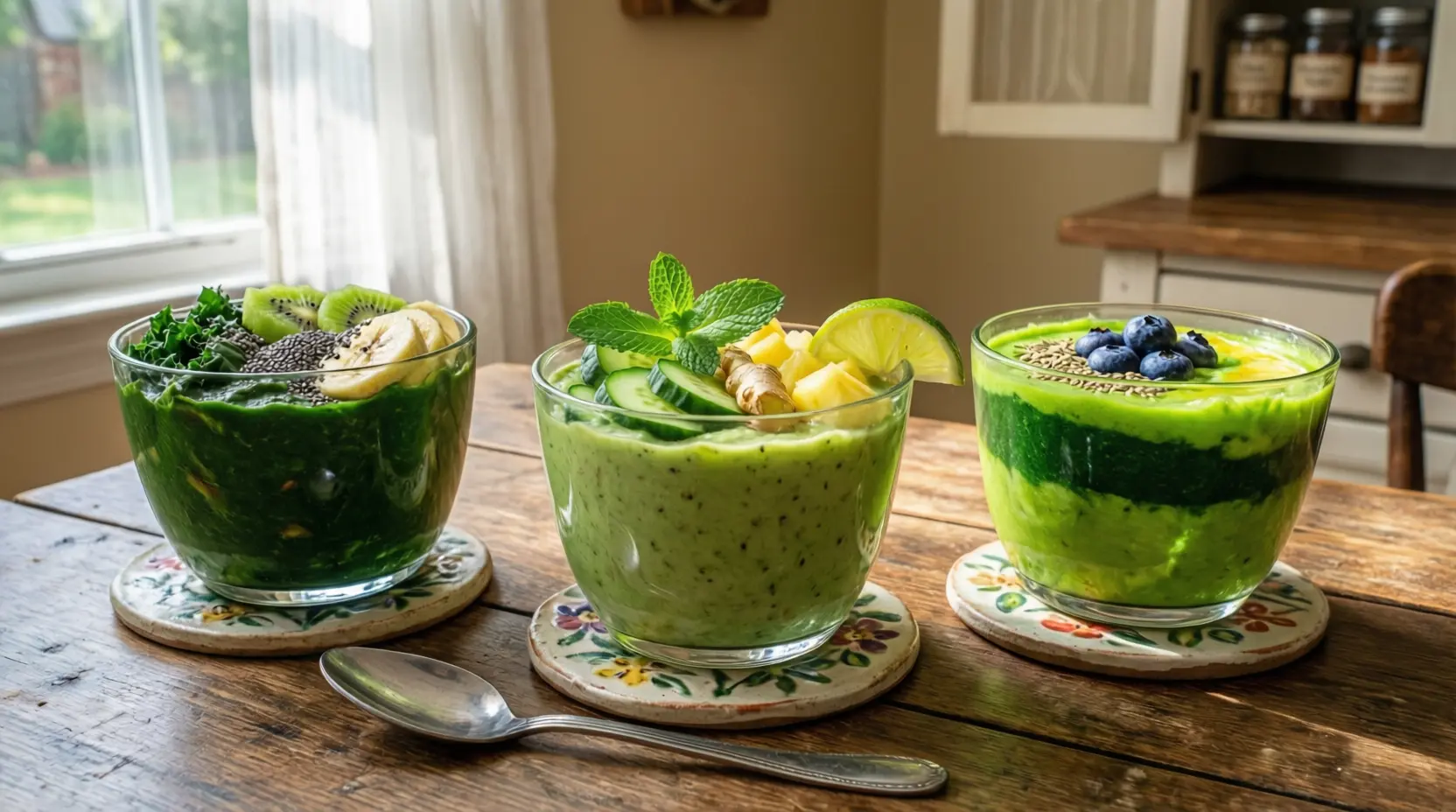
Green smoothies have become one of the most popular tools for people looking to lose weight in a healthy and sustainable way.
Made by blending leafy greens with fruits, liquids, and nutrient-rich add-ins, green smoothies offer a powerful combination of low calories and high nutritional value.
Unlike crash diets or restrictive meal plans, green smoothies focus on nourishing the body while supporting fat loss, improved digestion, and better energy levels.
One of the biggest advantages of green smoothies for weight loss is their high fiber content, which helps control hunger and reduce unhealthy cravings.
When prepared correctly, they can also provide essential vitamins, minerals, and protein without excess sugar or calories.
If you are a beginner or someone looking to refresh your weight loss routine, green smoothies are easy to customize to your taste and lifestyle. In this guide, you’ll discover how green smoothies work for weight loss, the best ingredients to use, and simple, delicious recipes to help you reach your goals.
Understanding Weight Loss & Nutrition Basics
Successful weight loss is not about extreme dieting but about creating a sustainable calorie balance while nourishing your body. At its core, weight loss occurs when you consume fewer calories than your body burns. However, the quality of those calories plays a crucial role in how satisfied, energized, and healthy you feel throughout the process.
Whole foods such as leafy greens, fruits, seeds, and healthy fats provide essential nutrients while naturally keeping calorie intake lower. These foods are rich in fiber, which slows digestion and helps you feel full for longer periods. Fiber also supports healthy gut function and helps regulate blood sugar levels, reducing sudden hunger spikes and cravings.
Protein is another key component of effective weight loss. It helps preserve lean muscle mass and increases satiety, making it easier to control portions. Healthy fats, when consumed in moderation, support hormone balance and nutrient absorption. A balanced combination of fiber, protein, and fats is what turns a simple smoothie into a filling, weight-loss-friendly meal.
Liquid nutrition, such as smoothies, can support weight loss when prepared mindfully. While smoothies are easy to digest and convenient, they can become calorie-dense if overloaded with fruit or sweeteners. Green smoothies stand out because they emphasize leafy greens, which are low in calories but high in nutrients. When properly balanced, green smoothies can help you maintain a calorie deficit while still meeting your nutritional needs, making them an effective tool for long-term weight loss success.
What Makes Green Smoothies Effective for Weight Loss
Green smoothies are highly effective for weight loss because they combine nutrient-dense ingredients with low calorie content, making it easier to stay full while consuming fewer calories. Leafy greens such as spinach, kale, and romaine lettuce form the base of these smoothies and provide vitamins, minerals, and antioxidants without significantly increasing calorie intake. This allows you to increase food volume while still maintaining a calorie deficit.
One of the key benefits of green smoothies is their high fiber content. Fiber slows digestion, promotes a feeling of fullness, and helps regulate appetite throughout the day. This can reduce unnecessary snacking and prevent overeating during meals. Fiber also supports healthy digestion and gut bacteria, both of which play an important role in weight management.
Green smoothies also help stabilize blood sugar levels when prepared correctly. Unlike sugary beverages or fruit-heavy smoothies, green smoothies emphasize greens and balanced portions of fruit. This balance helps prevent blood sugar spikes and crashes that often lead to cravings and low energy. Adding protein sources such as Greek yogurt, protein powder, or seeds further enhances satiety and supports muscle maintenance during weight loss.
Another reason green smoothies are effective is their convenience. They are quick to prepare, easy to digest, and ideal for busy lifestyles. This consistency makes it easier to stick to healthy habits over time. When used as part of a balanced diet, green smoothies can support sustainable weight loss while improving overall nutrition and energy levels.
Best Ingredients for Green Smoothies
Choosing the right ingredients is essential for creating green smoothies that support weight loss while still tasting great. The foundation of any green smoothie should be leafy greens. Spinach is one of the most popular options because of its mild flavor and high nutrient content. Kale offers more fiber and antioxidants, while romaine lettuce and Swiss chard provide hydration and important vitamins with minimal calories.
Fruits are added to enhance flavor and provide natural sweetness, but portion control is key. Low-sugar fruits such as berries, green apples, and kiwi are excellent choices for weight loss-friendly smoothies. Bananas and mangoes can be used in small amounts to improve texture and taste without overpowering the smoothie with sugar.
Liquids help blend the ingredients smoothly and affect the calorie count. Water is the lowest-calorie option and works well with most recipes. Unsweetened almond milk adds creaminess without excess calories, while coconut water offers hydration and natural electrolytes. Green tea can also be used as a base to provide antioxidants and mild metabolism support.
Protein and healthy fat additions help increase satiety and turn a smoothie into a balanced meal. Options like Greek yogurt, plant-based protein powder, chia seeds, flaxseeds, and hemp seeds provide protein, omega-3 fatty acids, and fiber. Small amounts of nut butter can also be added for flavor and fullness. When combined thoughtfully, these ingredients create green smoothies that are filling, nutritious, and effective for weight loss.
Ingredients to Avoid or Limit
While green smoothies can be an excellent tool for weight loss, certain ingredients can quickly turn a healthy drink into a high-calorie option that slows progress. One of the most common mistakes is adding too much sugar. Ingredients such as honey, maple syrup, agave, or flavored syrups may seem natural, but they significantly increase calorie and sugar content without providing long-lasting fullness.
Fruit juices should also be limited or avoided. Even 100% fruit juice lacks the fiber found in whole fruit and can cause rapid spikes in blood sugar, leading to increased hunger shortly after consumption. Similarly, sweetened plant milks and flavored yogurts often contain hidden sugars that can work against weight loss goals.
High-calorie fats should be used in moderation. While healthy fats like avocado, coconut oil, and nut butters have nutritional benefits, adding large amounts can easily push a smoothie beyond a reasonable calorie range. For weight loss, small portions are enough to provide satiety without excess calories.
Processed or store-bought “green smoothie” products can also be misleading. Many packaged smoothies contain added sugars, preservatives, and calorie-dense ingredients that reduce their effectiveness for weight loss. Always read ingredient labels carefully or opt for homemade versions whenever possible.
Lastly, avoid overloading your smoothie with too many ingredients. Adding multiple fruits, fats, and supplements at once can increase calories and make digestion more difficult. A balanced green smoothie should be simple, focused, and built around leafy greens, moderate fruit, adequate protein, and low-calorie liquids to support consistent and sustainable weight loss.
Green Smoothie Recipes for Weight Loss
Green smoothie recipes for weight loss focus on simplicity, balance, and nutrient density. Each recipe combines leafy greens, controlled portions of fruit, and protein-rich ingredients to help keep calories low while promoting fullness and energy.
A beginner-friendly green smoothie is ideal for those new to blending greens. Combine spinach, half a banana, unsweetened almond milk, and a tablespoon of chia seeds. This smoothie is mild in taste, rich in fiber, and easy to digest, making it perfect for a morning meal.
For a fat-burning green smoothie, use kale, frozen berries, green tea, fresh ginger, and a scoop of plant-based protein powder. Kale provides antioxidants, while berries offer natural sweetness with fewer sugars. Ginger and green tea may help support metabolism and digestion.
A high-protein green smoothie works well as a meal replacement or post-workout option. Blend spinach, Greek yogurt, almond milk, flaxseeds, and a small green apple. The added protein supports muscle recovery and helps reduce hunger for longer periods.
A low-calorie detox-style green smoothie can be made using cucumber, spinach, lemon juice, water, and parsley. While the body naturally detoxifies itself, this combination supports hydration and digestion without excess calories.
These green smoothie recipes are easy to customize based on taste preferences and nutritional needs. By rotating ingredients and maintaining portion control, green smoothies can become a sustainable and enjoyable part of a long-term weight loss routine.
When and How to Drink Green Smoothies for Weight Loss
Timing and portion control play an important role in maximizing the weight loss benefits of green smoothies. One of the most popular times to drink a green smoothie is in the morning. A balanced green smoothie can provide essential nutrients, hydration, and steady energy while helping control hunger throughout the day. When consumed for breakfast, it should include protein and fiber to keep you full until your next meal.
Green smoothies can also be effective as a pre-workout or post-workout option. Before exercise, a lighter smoothie with greens and a small amount of fruit can provide quick energy without feeling heavy. After a workout, adding protein helps support muscle recovery and reduces post-exercise hunger, which can prevent overeating later in the day.
Some people use green smoothies as a meal replacement, especially for lunch. When doing so, it’s important to ensure the smoothie is nutritionally balanced with adequate protein, healthy fats, and fiber. A smoothie that is too low in calories may leave you hungry and lead to unhealthy snacking.
Portion size is another key factor. For weight loss, a green smoothie typically ranges between 250 to 400 calories, depending on whether it replaces a meal or serves as a snack. Drinking smoothies slowly and mindfully also helps your body recognize fullness.
Consistency matters more than timing alone. Incorporating green smoothies into a regular routine—without replacing every solid meal—can support sustainable weight loss while ensuring your body receives a wide variety of nutrients.
Green Smoothies as Meal Replacements
Green smoothies can be effective meal replacements for weight loss when they are properly balanced and thoughtfully prepared. Replacing one meal per day with a nutrient-dense green smoothie can help reduce overall calorie intake while still providing essential vitamins, minerals, and macronutrients. However, not all smoothies are suitable as full meals.
A meal-replacement green smoothie should contain a balance of protein, fiber, and healthy fats. Protein is especially important, as it promotes fullness and helps maintain lean muscle mass during weight loss. Ingredients such as Greek yogurt, protein powder, or plant-based protein sources can help meet these needs. Fiber from leafy greens, seeds, and low-sugar fruits supports digestion and keeps hunger under control.
Healthy fats, such as chia seeds, flaxseeds, or small amounts of nut butter, help slow digestion and enhance satiety. Without these components, a smoothie may digest too quickly, leaving you hungry shortly after consumption. Including all three macronutrients helps create a smoothie that feels more like a complete meal.
Green smoothies are most commonly used as breakfast or lunch replacements. Replacing dinner with a smoothie may work for some people but can be challenging due to hunger levels and social eating habits. Listening to your body and adjusting based on energy and fullness is essential.
It’s also important not to rely solely on smoothies for weight loss. Whole foods provide chewing satisfaction and variety that support long-term success. When combined with balanced meals, green smoothies can be a convenient and effective tool for achieving and maintaining healthy weight loss.
Common Mistakes That Prevent Weight Loss
Although green smoothies can support weight loss, certain common mistakes can limit their effectiveness. One of the biggest issues is using too much fruit. While fruit is healthy, excessive amounts can significantly increase sugar and calorie intake, turning a green smoothie into a dessert rather than a weight loss-friendly meal. Keeping fruit portions moderate helps maintain stable blood sugar levels.
Another common mistake is neglecting protein. Smoothies made only with greens and fruit may feel light at first but often lead to hunger shortly afterward. Without enough protein, it becomes difficult to stay full and avoid unnecessary snacking. Adding a reliable protein source is essential for appetite control and muscle preservation.
Portion size is often overlooked. Drinking large smoothies without tracking ingredients can unintentionally increase daily calorie intake. Even healthy ingredients can contribute excess calories when combined in large quantities. Measuring ingredients or following structured recipes can help prevent overconsumption.
Drinking smoothies too quickly is another issue. When consumed rapidly, your body may not register fullness, leading to additional eating soon after. Sipping slowly allows digestion signals to catch up and improves satiety.
Relying exclusively on green smoothies is also a mistake. While they are nutritious, eliminating solid foods entirely can lead to nutrient gaps, boredom, and reduced long-term adherence. Weight loss is most successful when smoothies complement a balanced diet rather than replace every meal.
Finally, inconsistency can hinder results. Drinking green smoothies occasionally while maintaining unhealthy eating habits elsewhere limits their impact. Consistency, balanced nutrition, and realistic expectations are key to making green smoothies an effective part of a sustainable weight loss plan.
Tips to Maximize Weight Loss Results
To get the most out of green smoothies for weight loss, consistency and smart preparation are essential. One effective strategy is planning your smoothies in advance. Preparing smoothie packs with pre-measured ingredients and freezing them saves time and reduces the temptation to make unhealthy choices when you’re busy.
Rotating ingredients is another helpful tip. Using a variety of leafy greens, fruits, and add-ins prevents nutrient gaps and keeps flavors interesting. This variety also helps your body benefit from a wider range of vitamins, minerals, and antioxidants.
Paying attention to macronutrient balance can significantly improve results. Every weight-loss-friendly green smoothie should include a source of protein and fiber, along with small amounts of healthy fats. This balance helps control hunger, stabilize blood sugar, and support metabolism throughout the day.
Tracking calories can be useful, especially for beginners. While it’s not necessary for everyone, monitoring portion sizes and ingredient quantities helps prevent accidental overconsumption. Even healthy smoothies can become calorie-dense if portions are not controlled.
Pairing green smoothies with regular physical activity enhances their effectiveness. Exercise supports fat loss, improves metabolism, and helps maintain lean muscle mass. Green smoothies can provide convenient nutrition before or after workouts.
Finally, focus on long-term habits rather than quick results. Green smoothies work best as part of a sustainable lifestyle that includes balanced meals, hydration, quality sleep, and stress management. When used consistently and realistically, green smoothies can become a powerful tool for achieving healthy and lasting weight loss.
Who Should Be Careful with Green Smoothies
While green smoothies are generally safe and beneficial for most people, certain individuals should approach them with caution. People with thyroid conditions, especially those related to iodine deficiency or hypothyroidism, may need to limit large amounts of raw cruciferous vegetables such as kale or spinach. Lightly steaming greens before blending or rotating different types of greens can help reduce potential issues.
Individuals with sensitive digestion may also experience bloating or discomfort when consuming raw greens. In such cases, starting with smaller portions, using milder greens like spinach, or blending thoroughly can improve tolerance. Adding digestive-friendly ingredients such as ginger or yogurt may also help.
People with diabetes or blood sugar concerns should pay close attention to fruit portions and ingredient combinations. Even natural sugars can affect blood glucose levels. Choosing low-sugar fruits, increasing fiber and protein, and monitoring responses can help maintain better blood sugar control.
Those with kidney issues should be mindful of ingredients high in oxalates, such as spinach and beet greens. Consuming these in large quantities over time may contribute to kidney stone formation in susceptible individuals. Alternating greens and staying well-hydrated can reduce this risk.
Pregnant or breastfeeding individuals should ensure their smoothies meet increased nutritional needs and avoid excessive supplementation. Consulting a healthcare professional is recommended in these cases.
If you have a medical condition or are taking medication, it’s always best to consult a healthcare provider before making green smoothies a daily habit. Personalized guidance ensures that green smoothies support your health goals safely and effectively.
Frequently Asked Questions (FAQ)
Are green smoothies good for weight loss?
Yes, green smoothies can support weight loss when they are made with the right balance of ingredients. They are low in calories, high in fiber, and packed with nutrients that help control hunger and reduce cravings.
Can green smoothies help lose belly fat?
Green smoothies do not target fat loss in specific areas, but they can contribute to overall fat reduction by supporting a calorie deficit and improving digestion. Consistent healthy eating and exercise are key factors.
How often should I drink green smoothies?
Most people benefit from drinking green smoothies once a day, either as a meal replacement or a snack. Drinking them too frequently without balanced meals may lead to nutrient gaps or hunger.
Can green smoothies replace meals?
Yes, green smoothies can replace one meal per day if they contain protein, fiber, and healthy fats. They should not replace every meal, as whole foods provide additional nutritional benefits.
Are green smoothies better than salads?
Both have benefits. Smoothies are convenient and easy to digest, while salads provide chewing satisfaction and texture. A combination of both works best for long-term health and weight loss.
Can I use frozen ingredients?
Absolutely. Frozen fruits and greens retain most of their nutrients and help create a thicker, colder smoothie. They are also convenient and reduce food waste.
How long does it take to see results?
Results vary depending on diet, activity level, and consistency. Many people notice improved digestion and reduced cravings within a few weeks, with visible weight loss occurring over time.
Conclusion
Green smoothies can be a powerful and practical addition to a healthy weight loss routine when used correctly.
By focusing on leafy greens, controlled portions of fruit, and balanced macronutrients, green smoothies provide essential vitamins, minerals, and fiber without excessive calories.
This combination helps support satiety, digestion, and consistent energy levels throughout the day.
One of the greatest strengths of green smoothies is their flexibility. They can be customized to fit different tastes, dietary preferences, and lifestyle needs.
If used as a quick breakfast, a post-workout option, or an occasional meal replacement, green smoothies offer a convenient way to maintain a calorie deficit while still nourishing the body.
However, lasting weight loss requires more than any single food or drink. Green smoothies work best when paired with whole foods, regular physical activity, adequate hydration, and healthy sleep habits.
Avoiding common mistakes—such as excessive fruit, lack of protein, or oversized portions—ensures that smoothies remain supportive rather than counterproductive.
Sustainability is key. Instead of viewing green smoothies as a short-term solution, think of them as a long-term habit that supports overall health.
Small, consistent changes lead to better results than extreme approaches. When enjoyed mindfully and consistently, green smoothies can help you develop healthier eating patterns, improve digestion, and move steadily toward your weight loss goals.

I’m Robert Silva, a quotes expert at Quotesfuel.com — delivering powerful words and daily inspiration to keep your spirit fueled!