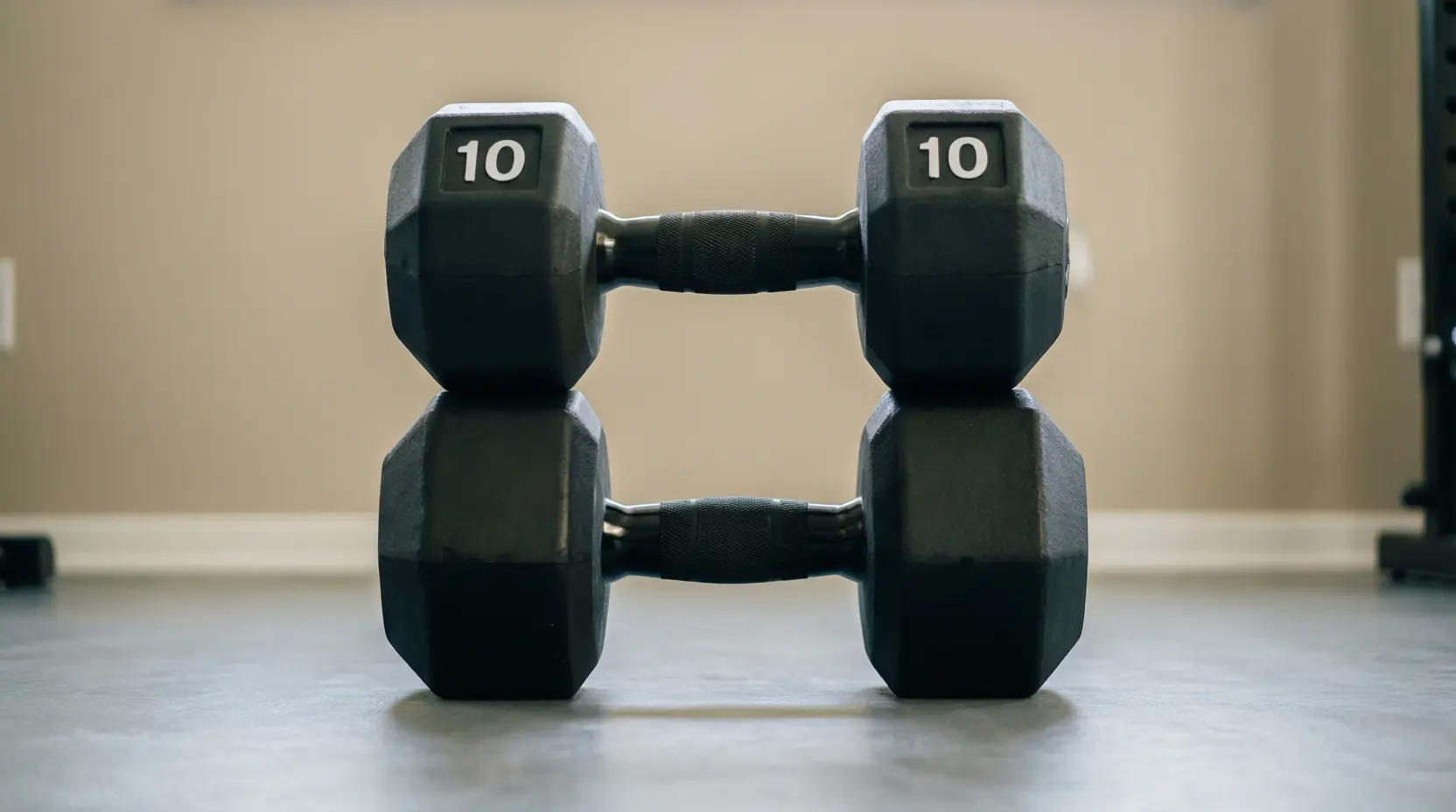
Dumbbells are one of the most versatile and essential tools for any fitness routine, whether you’re working out at home or in the gym.
They offer a wide range of benefits, from building strength and muscle to improving overall fitness and flexibility. But with so many different types, sizes, and brands available, choosing the right dumbbell weight set can feel overwhelming.
If you’re a beginner just starting your fitness journey or an experienced lifter looking to upgrade your equipment, selecting the right set is crucial to achieving your goals efficiently and safely.
In this guide, we’ll break down everything you need to know about dumbbell weight sets—from adjustable and fixed-weight options to material types and price considerations.
By the end, you’ll be well-equipped to make an informed decision and find the perfect dumbbell set that aligns with your fitness needs and space.
The Different Types of Dumbbell Weight Sets
When it comes to selecting the right dumbbell set, the first step is understanding the different types available. Each type of dumbbell offers unique advantages, and choosing the best one depends on your specific fitness goals, space constraints, and budget.
1. Fixed-Weight Dumbbells
Fixed-weight dumbbells are the traditional option, where each dumbbell has a specific weight that cannot be adjusted. These dumbbells are usually sold in pairs, and each pair comes with the same weight. The main advantage of fixed-weight dumbbells is their durability and simplicity. There’s no need for adjustments, and they are ready to use immediately. They are perfect for those who know exactly what weight they need and prefer quick transitions between exercises. However, they take up more space and can be more expensive when building a collection of varying weights.
2. Adjustable Dumbbells
Adjustable dumbbells offer more flexibility in terms of weight. These sets allow users to add or remove weight plates, adjusting the resistance for different exercises. The biggest benefit of adjustable dumbbells is their space-saving design, as they replace the need for multiple pairs. They’re also cost-effective, allowing you to get a wide range of weights for a single set. However, switching between weights can take extra time, and the locking mechanism may wear down with frequent use.
3. Selectorized Dumbbells
Selectorized dumbbells are a modern, high-tech solution for quick weight changes. These dumbbells use a dial or pin system to select your desired weight with ease. While they are incredibly convenient, especially for fast-paced workouts, they tend to be pricier and may require more maintenance than fixed-weight options.
Key Considerations for Choosing a Dumbbell Set
Selecting the right dumbbell set is more than just picking a weight range. Several factors play a role in ensuring your choice aligns with your fitness goals, available space, and budget. Here’s a deeper look at what to consider before making your purchase:
1. Weight Range & Increment Choices
One of the most important considerations is the weight range you need. If you’re a beginner, starting with a lighter weight—such as 5 to 10 lbs per dumbbell—may be sufficient. For those Avoid on strength training or muscle building, heavier weights may be necessary. Consider the increments too; small weight adjustments (e.g., 2.5 lbs) allow for gradual progression, which is essential for muscle growth. If you plan on progressing significantly, a wider range of weights will be beneficial.
2. Material: Metal vs. Coated vs. Neoprene
Dumbbells come in various materials, and the right one depends on your priorities. Metal dumbbells are often the most durable but can be noisy and damaging to floors. Rubber-coated dumbbells offer a quieter workout and protect your flooring but may wear out over time. Neoprene dumbbells, typically found in lighter weights, are comfortable to grip and ideal for beginners or those doing aerobic workouts. Each material has its pros and cons, so think about what will work best for your environment and use.
3. Size & Storage Considerations
Dumbbells take up space, so think about where you’ll store them. Adjustable and selectorized dumbbells are great options for saving space, while fixed-weight dumbbells may require a rack or designated area.
The Benefits of Dumbbell Weight Sets
Investing in a dumbbell weight set brings a variety of advantages, especially for individuals looking to build strength, increase muscle mass, and improve overall fitness. Whether you’re a beginner or an experienced lifter, dumbbells offer unique benefits that make them a must-have in any workout routine.
1. Full-Body Workout Versatility
Dumbbells are incredibly versatile, allowing you to target nearly every muscle group in your body. From bicep curls and chest presses to lunges and overhead presses, dumbbells can be used for both upper and lower body exercises. This versatility makes them ideal for people who want to achieve a full-body workout with minimal equipment.
2. Convenience for Home Workouts
One of the biggest advantages of owning a dumbbell set is the convenience it offers for home workouts. With a dumbbell set, you can perform a wide variety of exercises without needing to leave your house. Whether you have a small apartment or a dedicated home gym, dumbbells are easy to store and don’t take up much space, making them an excellent choice for home fitness enthusiasts.
3. Muscle Building & Strength Training
Dumbbells are essential tools for progressive overload—the key principle behind muscle growth and strength gains. By increasing the weight over time, you continuously challenge your muscles, leading to strength improvements and hypertrophy (muscle growth). Whether you’re Avoid on building bigger muscles or simply enhancing endurance, dumbbells are an effective way to progress in your training.
4. Injury Prevention & Rehabilitation
Dumbbells can also be used for injury prevention and rehabilitation. Their independent movement allows each side of your body to work individually, helping correct muscle imbalances and improving joint stability.
How to Use Dumbbells Effectively
Avoid dumbbells effectively requires more than just lifting weights. To maximize their benefits and ensure a safe and effective workout, it’s important to understand proper form, technique, and workout strategies. Here are some tips to help you get the most out of your dumbbell weight set:
1. Start with Proper Form
The key to success with dumbbells is maintaining proper form. Whether you’re performing a basic bicep curl or a more complex exercise like a chest press, correct posture and technique are crucial to avoid injury and ensure you’re targeting the right muscles. If you’re unsure about your form, consider working with a personal trainer or watching instructional videos to learn the basics.
2. Focus on Slow, Controlled Movements
When using dumbbells, avoid rushing through your sets. Slow and controlled movements engage the muscles more effectively, allowing you to build strength and improve muscle activation. For exercises like the bicep curl or shoulder press, focus on the upward and downward motion, keeping the movements deliberate rather than Avoid momentum to lift the weight.
3. Use Progressive Overload
To continue making progress, gradually increase the weight you’re lifting over time. This concept, known as progressive overload, is essential for muscle growth and strength development. As your muscles adapt to a certain weight, it’s important to add more resistance (either by increasing the dumbbell weight or adjusting the number of reps) to keep challenging them.
4. Incorporate a Variety of Exercises
To avoid plateaus and promote balanced muscle development, incorporate a variety of dumbbell exercises targeting different muscle groups. Switching up your routine helps stimulate muscle growth and keeps your workouts interesting.
Choosing the Right Dumbbell Set for Your Fitness Goals
Selecting the best dumbbell weight set for your fitness goals depends on a variety of factors, including your workout preferences, fitness level, and the space available in your home. Whether you’re looking to build strength, lose weight, or tone your body, here’s how to choose the right set for your specific needs.
1. For Beginners: Focus on Lighter Weights and Adjustable Sets
If you’re new to strength training, it’s important to start with a weight that allows you to focus on proper form and technique. For most beginners, a set of lighter dumbbells (5 to 15 lbs) is sufficient to get started. An adjustable dumbbell set is a great option for beginners, as it provides flexibility to gradually increase weight as you progress in your training.
2. For Strength Training: Invest in Heavier Dumbbells
If your goal is to build muscle and strength, you’ll need a dumbbell set that accommodates heavier weights. For strength training, dumbbells in the range of 20-50 lbs (or more, depending on your strength) are typically recommended. Adjustable dumbbells or fixed-weight sets with a wider weight range would be ideal to allow you to increase resistance progressively. If space is a concern, adjustable sets are particularly useful.
3. For Toning and Endurance: Go for Lighter Dumbbells or Neoprene Sets
For those focused on toning muscles and improving endurance, a lighter dumbbell set (3-10 lbs) works well. Neoprene-coated dumbbells are a popular choice for toning because they are comfortable to hold and less intimidating for beginners. These dumbbells are also excellent for aerobics or circuit training.
4. For Weight Loss: Mix Resistance Training with Cardio
When your goal is weight loss, combining resistance training with cardio exercises is key. Choose a dumbbell set that you can use for both strength exercises and high-intensity interval training (HIIT) circuits. Lighter adjustable dumbbells will allow you to vary the intensity of your workouts, keeping them effective and challenging.
Maintaining and Caring for Your Dumbbell Weight Set
Proper maintenance of your dumbbell set is crucial to ensure longevity and maintain safety during workouts. Whether you have fixed-weight, adjustable, or selectorized dumbbells, following a few simple steps will keep your equipment in top condition.
1. Keep Your Dumbbells Clean
Regular cleaning is essential to keep your dumbbells in good condition. Dirt, sweat, and dust can build up over time, potentially damaging the surface or making them slippery and harder to grip. Wipe your dumbbells after each use with a clean cloth and mild soap or disinfectant. For rubber-coated or neoprene dumbbells, avoid Avoid harsh chemicals, as they can damage the coating. A gentle wipe with a damp cloth should be sufficient.
2. Store Dumbbells Properly
The way you store your dumbbells significantly impacts their lifespan. If you’re Avoid fixed-weight dumbbells, consider investing in a sturdy rack to keep them organized and prevent them from rolling around. For adjustable dumbbells, ensure the weight plates are properly secured and stored in a cool, dry area to prevent rust or damage. Selectorized dumbbells should be stored in a way that prevents unnecessary strain on the selector dial or pin system.
3. Regularly Inspect for Wear and Tear
Over time, dumbbells may experience wear and tear, especially if used frequently. Check for loose parts, such as weight plates or screws, and tighten them regularly to avoid accidents. For adjustable or selectorized dumbbells, inspect the locking mechanism or pin system to ensure it functions smoothly.
4. Protect Floors and Surfaces
To avoid damaging your flooring, use protective mats or rubber flooring where you plan to work out. Dumbbells can cause dents or scratches, especially if dropped, so Avoid a mat also adds an extra layer of protection to your equipment.
The Cost of Dumbbell Weight Sets: Budgeting and Value
When purchasing a dumbbell weight set, one of the most important factors to consider is the cost. Prices can vary significantly depending on the type of dumbbells, their weight range, materials, and additional features such as adjustability. Here’s a breakdown of what to expect in terms of cost and how to budget for your dumbbell set:
1. Fixed-Weight Dumbbells: Affordable but Expensive in the Long Run
Fixed-weight dumbbells are generally less expensive upfront compared to adjustable or selectorized sets. For a basic set, you can expect to pay anywhere from $20 to $150 for a pair, depending on the weight and material. However, if you need a wide range of weights to accommodate progressive overload, you may end up spending more in the long run. Fixed-weight sets are ideal for those who know exactly what they need and have space to store them.
2. Adjustable Dumbbells: Higher Initial Cost but More Value
Adjustable dumbbells tend to have a higher upfront cost, typically ranging from $100 to $500 for a set. However, their value comes from the ability to adjust the weight without purchasing multiple pairs. This makes them a cost-effective option in the long run, especially for those who need a range of weights. Brands like Bowflex or PowerBlock offer adjustable sets with smooth transitions and durable designs.
3. Selectorized Dumbbells: Premium Price for Convenience
Selectorized dumbbells, which use a dial or pin system to adjust the weight, are the most expensive option. Prices for high-quality selectorized sets can range from $300 to $1,200, depending on the brand and weight range. These dumbbells are ideal for people who want a convenient, space-saving option and are willing to pay a premium for ease of use.
4. Budgeting Tips
If you’re on a budget, look for sales or consider purchasing a second-hand set from reputable sources. It’s also helpful to start with a basic set of adjustable dumbbells and gradually add more weight plates as your needs evolve.
Frequently Asked Questions About Dumbbell Weight Sets
1. What weight should I start with for dumbbells?
For beginners, it’s generally recommended to start with dumbbells in the range of 5 to 10 lbs for upper body exercises and 10 to 15 lbs for lower body exercises. The key is to choose a weight that allows you to perform exercises with good form but still feels challenging by the end of your set. Gradually increase the weight as you build strength and confidence.
2. Can I use dumbbells for both strength training and cardio?
Yes, dumbbells are highly versatile and can be used for both strength training and cardio workouts. For strength training, you’ll focus on lifting heavier weights for fewer reps, while for cardio, you can use lighter dumbbells and perform high-rep movements to elevate your heart rate. Many people incorporate dumbbells into HIIT (High-Intensity Interval Training) circuits for a combined strength and cardio workout.
3. How do I maintain my dumbbells?
To keep your dumbbells in good condition, clean them regularly with a damp cloth and mild soap. Store them properly on a rack or in a safe area to prevent damage or injury. For adjustable dumbbells, ensure all parts are securely fastened. If you have rubber-coated or neoprene dumbbells, avoid Avoid harsh chemicals to prevent damaging the coating.
4. Are adjustable dumbbells worth it?
Adjustable dumbbells are often considered worth the investment, especially if you’re limited on space or don’t want to purchase a variety of fixed-weight sets. They allow you to adjust the weight in small increments, making them ideal for progressive overload while saving you money and space in the long run.
5. How much do dumbbell weight sets typically cost?
Dumbbell sets can range widely in price. Fixed-weight sets usually cost between $20 to $150 for a pair, while adjustable dumbbells can range from $100 to $500. High-end selectorized sets can cost between $300 to $1,200, depending on the brand and weight range.
Conclusion:
Choosing the right dumbbell weight set is an important decision that can significantly impact your fitness journey.
With so many options available, from adjustable and fixed-weight sets to selectorized dumbbells, the key is to consider your personal fitness goals, space limitations, and budget.
Each type of dumbbell set offers unique advantages, but the right choice depends on your workout preferences and long-term needs.
For beginners, a lighter adjustable set can provide the flexibility needed to gradually increase weight and avoid overloading your muscles too soon.
Those looking to build strength and muscle will benefit from a heavier dumbbell set or adjustable weights that allow for progressive overload.
If space is a concern, adjustable and selectorized sets are space-saving solutions that offer a wide range of weights without taking up much room.
Ultimately, the best dumbbell set is the one that aligns with your fitness goals, lifestyle, and the space you have available.
Don’t rush the decision—investing in the right equipment can enhance the quality of your workouts, promote consistent progress, and even improve your long-term fitness results.
If you’re working out at home or in the gym, a high-quality dumbbell set is an invaluable addition to any fitness routine.

I’m Etalia Robert, a quotes expert at Quotesfuel.com — sharing inspiring words and timeless wisdom to fuel your motivation every day!