Every dog deserves to be healthy, energetic, and full of life—but some dogs struggle to maintain a healthy weight.
Being underweight isn’t just a cosmetic concern; it can signal underlying health issues or lead to weakened immunity, muscle loss, and low energy.
For dog owners, helping a pet gain weight safely requires more than simply feeding more food. The right dog food, balanced nutrients, and proper feeding strategies are essential to ensure healthy weight gain without causing digestive problems or other complications.
This guide is designed to help dog owners navigate the best options for weight gain, from high-calorie commercial dog foods to nutritious homemade meals and supplements.
You’ll also discover essential tips for feeding frequency, monitoring progress, and recognizing signs of healthy weight gain. With the right approach, you can help your furry friend reach a healthy weight and enjoy a vibrant, active life.
Why Some Dogs Struggle to Gain Weight
Just like humans, dogs can struggle to maintain a healthy weight for a variety of reasons. Understanding why your dog isn’t gaining weight is the first step toward helping them thrive. One of the most common causes is health-related issues. Parasites like worms or giardia can prevent your dog from absorbing nutrients properly, while metabolic disorders such as hyperthyroidism or diabetes can increase calorie burning and make weight gain difficult. Dental problems or digestive disorders may also reduce appetite or make eating painful.
Behavioral and lifestyle factors can also play a role. Dogs that are extremely active or experience high levels of stress or anxiety may burn more calories than they consume. Picky eaters can be challenging as well, refusing high-calorie foods or showing little interest in meals, which can slow down weight gain.
Diet is another major factor. Feeding low-quality food with insufficient protein, fat, or calories can make it nearly impossible for a dog to gain weight, even if they eat frequently. Sometimes, portion sizes are too small, or the food lacks the nutrients needed to support healthy weight gain.
By identifying the root cause—whether it’s medical, behavioral, or dietary—you can create a targeted plan that addresses your dog’s specific needs. Combining proper nutrition, high-calorie foods, and regular monitoring ensures your dog can gain weight safely and stay healthy.
Key Nutrients for Healthy Weight Gain
Helping your dog gain weight safely isn’t just about increasing the amount of food—they need the right nutrients to build muscle, maintain energy, and stay healthy. The most important nutrient is high-quality protein 🥩🍗. Proteins provide the building blocks for muscle growth, which is especially important for active dogs or those recovering from illness. Excellent protein sources include chicken, turkey, beef, fish, and eggs.
Healthy fats 🥑🐟 are another essential nutrient. Fats are calorie-dense, which helps your dog gain weight faster without overfeeding. They also improve skin and coat health, keeping your dog shiny and energetic. Sources of healthy fats include fish oil, flaxseed oil, coconut oil, and small amounts of cheese or peanut butter.
Digestible carbohydrates 🍚🥔 provide energy and additional calories for weight gain. Ingredients like rice, oats, barley, and sweet potatoes are easy to digest and help maintain steady energy levels. These carbs should be paired with proteins and fats for balanced meals.
Finally, vitamins and minerals 🥦🥕 are crucial to support metabolism, immunity, and overall health. Calcium, zinc, vitamin E, and B vitamins are particularly important for dogs gaining weight, as they aid muscle development and nutrient absorption.
Providing a balance of these nutrients ensures that your dog gains healthy weight, rather than just fat, and avoids digestive issues or other health problems. Combining nutrient-rich commercial dog food, homemade meals, or supplements can make weight gain safe, effective, and sustainable.
Best Commercial Dog Foods for Weight Gain
When helping your dog gain weight, choosing the right commercial dog food can make a significant difference. Not all dog foods are created equal—high-calorie, nutrient-rich options are essential to support healthy weight gain while providing balanced nutrition. Look for dog foods labeled for “weight gain,” “high-calorie,” or “performance,” as these often contain higher protein and fat levels to help your dog build muscle and energy reserves.
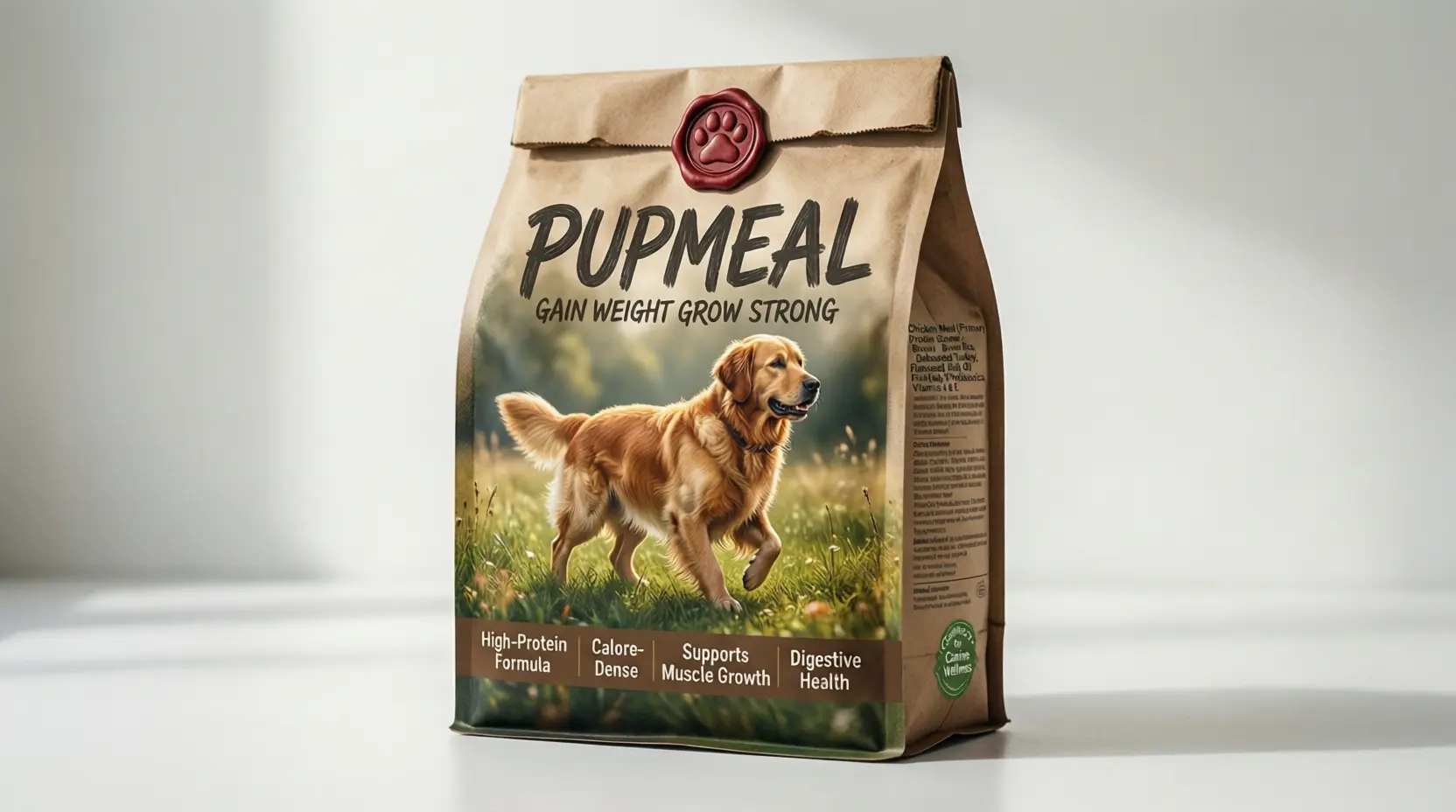
Dry kibble is convenient and calorie-dense, making it easy to measure portions and track weight gain. Many formulas include added fats, digestible carbohydrates, and quality proteins to boost calorie intake. Brands with real meat as the first ingredient are ideal.
Wet dog food is often more palatable and can encourage picky eaters to eat more. It’s also rich in moisture, which supports hydration and digestion. Some owners mix wet food with dry kibble to create a calorie-dense, tasty meal.
Popular options for weight gain often include recipes with chicken, beef, lamb, or salmon combined with rice, barley, or sweet potatoes. These ingredients provide protein, digestible carbs, and healthy fats in every serving.
When choosing commercial dog food, always read the ingredient list carefully, check protein and fat percentages, and avoid fillers that offer little nutritional value. Consulting your veterinarian is highly recommended, especially if your dog has medical conditions or dietary restrictions. With the right commercial dog food, your dog can gain weight steadily, safely, and enjoy meals they actually love.
Homemade Dog Food for Weight Gain
Homemade dog food is an excellent option for owners who want full control over their dog’s nutrition and calorie intake. It allows you to create high-calorie, nutrient-rich meals tailored to your dog’s specific needs. When preparing meals at home, it’s important to include a balance of protein, healthy fats, and digestible carbohydrates to ensure safe and effective weight gain.
High-quality proteins like chicken, turkey, beef, eggs, and fish support muscle growth and overall health. Healthy fats such as fish oil, coconut oil, and small amounts of peanut butter add calories while improving skin and coat condition. Digestible carbohydrates like rice, oatmeal, potatoes, and sweet potatoes provide energy and additional calories to help your dog gain weight steadily.
Here are a few simple homemade meal ideas:
- Chicken and rice: Boiled chicken, cooked rice, and a small amount of olive oil.
- Beef and sweet potato: Ground beef, steamed sweet potato, and a teaspoon of fish oil.
- Egg and oatmeal breakfast: Scrambled eggs mixed with cooked oatmeal and a small dash of cheese.
Safety tips are essential. Avoid toxic foods such as onions, garlic, grapes, chocolate, and xylitol. Ensure meat is cooked thoroughly to prevent bacterial infections, and maintain proper portion sizes to avoid overfeeding.
By carefully preparing homemade meals, you can provide highly nutritious, calorie-dense food that encourages steady, healthy weight gain, making mealtime enjoyable and beneficial for your underweight dog.
Supplements to Support Weight Gain
In addition to high-quality food, certain supplements can help your dog gain weight safely and effectively. While a well-balanced diet is always the priority, supplements can provide extra calories, protein, and essential nutrients for dogs that struggle to gain weight through food alone.
Protein supplements are one of the most effective tools. Vet-approved protein powders, often made from whey or egg protein, can be added to meals to boost muscle growth and calorie intake. They are particularly useful for active dogs or those recovering from illness.
Omega-3 and omega-6 fatty acids, found in fish oil or flaxseed oil, not only add extra calories but also improve coat and skin health, reduce inflammation, and support overall metabolism. A shiny coat and healthy skin are often signs that your dog is gaining weight healthily.
Multivitamins and mineral supplements help fill any nutritional gaps in your dog’s diet. Essential vitamins like B-complex, vitamin E, and minerals such as zinc and calcium support muscle development, digestion, and immune function.
Probiotics are another useful addition. They improve gut health, aiding nutrient absorption, which ensures that your dog fully benefits from the calories and nutrients in their food.
It’s important to consult your veterinarian before starting any supplement, as doses vary by weight, breed, and health condition. Supplements should complement, not replace, a high-quality diet. When used properly, they can accelerate healthy weight gain, improve energy levels, and help your dog reach a strong, healthy body weight.
Feeding Tips for Healthy Weight Gain
Helping your dog gain weight safely isn’t just about what you feed them—it’s also about how and when you feed them. Following some simple feeding strategies can make a big difference in achieving steady, healthy weight gain.
Feed smaller, frequent meals. Instead of one or two large meals, aim for three to four smaller meals throughout the day. This helps dogs digest food more easily, reduces the risk of digestive upset, and increases total calorie intake.
Mix wet and dry food. Combining wet food with dry kibble can make meals more palatable for picky eaters and boost calorie content. Wet food also adds moisture, which is helpful for digestion and hydration.
Add high-calorie toppers. Ingredients like yogurt, peanut butter, cheese, or cooked eggs can increase calories without increasing portion size. Always ensure these additions are safe for dogs and given in moderation.
Monitor weight and body condition regularly. Use a scale or measure body condition score weekly to track progress. Gradual, steady weight gain of 1–2% of body weight per week is ideal for most dogs.
Avoid overfeeding at once. Rapid weight gain can strain the digestive system and lead to fat accumulation instead of healthy muscle development.
By implementing these feeding strategies and combining them with nutrient-rich food and supplements, your dog can gain weight safely, improve energy levels, and maintain overall health. Consistency, monitoring, and patience are key to helping your furry friend reach a healthy weight.
Signs Your Dog is Gaining Weight Safely
When helping your dog gain weight, it’s important to focus on healthy, gradual progress rather than rapid changes. Monitoring your dog for signs of safe weight gain ensures that the extra calories are building muscle and improving overall health, not causing digestive issues or fat accumulation.
Gradual weight increase is the first sign of healthy gain. Most dogs should gain 1–2% of their body weight per week, depending on breed and activity level. Rapid weight gain can strain organs and lead to obesity, so consistency is key.
Improved energy and vitality is another positive indicator. Dogs that gain weight correctly often appear more playful, active, and alert, showing that their bodies are receiving the nutrients and calories they need to thrive.
Shiny coat and healthy skin are also signs of proper nutrition. Healthy fats in the diet, combined with proteins and vitamins, contribute to a glossy coat and reduce skin dryness or irritation.
Regular appetite and digestion indicate that the diet is working well. Your dog should enjoy meals, maintain regular bowel movements, and avoid signs of bloating, diarrhea, or vomiting.
Muscle tone and body condition improvement is a final sign. You may notice more visible muscle definition, especially in active dogs, and less pronounced rib outlines, showing balanced weight gain.
By tracking these signs, you can ensure your dog is gaining weight safely and sustainably. Coupled with proper nutrition, feeding strategies, and veterinary guidance, these indicators help keep your furry friend healthy, strong, and full of energy.
When to Consult a Vet
While many dogs can gain weight with the right diet and feeding strategies, there are times when professional veterinary guidance is essential. Consulting a vet ensures that any underlying health issues are identified and treated, and that your dog gains weight safely.
One clear sign to see a veterinarian is persistent underweight, despite increasing food intake and following recommended feeding tips. This could indicate medical conditions such as parasites, digestive disorders, or metabolic problems like hyperthyroidism. Early detection can prevent serious health complications.
Sudden weight loss is another reason for concern. If your dog unexpectedly loses weight or fails to gain weight, a vet can perform tests to determine the cause and provide tailored treatment.
A vet can recommend vet-approved high-calorie foods, supplements, or feeding schedules to support safe weight gain.
Additionally, if your dog shows signs of illness, including vomiting, diarrhea, lethargy, or reduced appetite, it’s important to seek veterinary advice before attempting to increase weight. Some foods or supplements could worsen an existing condition if used improperly.
By consulting a veterinarian, you can create a customized weight gain plan that addresses your dog’s unique health, metabolism, and lifestyle. This ensures that weight gain is healthy, gradual, and sustainable, helping your furry friend achieve a strong, active, and happy life.
FAQ:
1. How fast should my dog gain weight?
Healthy weight gain is gradual. Most dogs should gain 1–2% of their body weight per week. Rapid weight gain can lead to fat accumulation rather than muscle, so consistency is key.
2. Can puppies gain weight too quickly?
Puppies need more calories than adult dogs, but excessive rapid weight gain can strain growing joints and organs. Follow vet recommendations and feed nutrient-rich, portion-controlled meals.
3. Are treats safe for weight gain?
Yes, high-calorie treats like peanut butter, cheese, or yogurt can supplement meals. Use them in moderation to avoid digestive upset or unhealthy fat accumulation.
4. How do I know if my dog is gaining weight healthily?
Signs of safe weight gain include gradual weight increase, improved energy, a shiny coat, healthy digestion, and better muscle tone. Monitor your dog weekly.
5. Can homemade food replace commercial dog food entirely?
Yes, but homemade meals must be balanced and nutrient-rich, including protein, fats, carbs, vitamins, and minerals. Always consult a vet for guidance.
6. When should I consult a veterinarian?
If your dog fails to gain weight, loses weight suddenly, shows digestive issues, or has underlying medical conditions, a vet should be consulted immediately.
Conclusion
Helping your dog gain weight safely requires a balanced approach, combining the right foods, feeding strategies, supplements, and veterinary guidance.
Simply increasing the amount of food is not enough; your dog needs nutrient-rich meals that provide high-quality protein, healthy fats, digestible carbohydrates, and essential vitamins and minerals.
These nutrients ensure that weight gain builds muscle and overall health, rather than just fat.
Commercial dog foods designed for weight gain can be an excellent option, offering high-calorie, balanced nutrition.
For owners who prefer more control, homemade meals using ingredients like chicken, beef, rice, sweet potatoes, and fish oil can provide a safe, calorie-dense alternative.
Adding safe supplements, such as protein powders, omega-3 fatty acids, and probiotics, can further support healthy weight gain.
Feeding techniques also play a crucial role. Smaller, frequent meals, mixing wet and dry food, and adding high-calorie toppers help encourage steady eating and prevent digestive upset.
Monitoring your dog’s weight, energy levels, coat health, and muscle tone ensures that progress is gradual and safe.
Finally, always consult a veterinarian if your dog struggles to gain weight, loses weight suddenly, or has underlying health issues. A professional can create a customized plan that addresses your dog’s specific needs, ensuring sustainable, healthy weight gain.

I’m Robert Silva, a quotes expert at Quotesfuel.com — delivering powerful words and daily inspiration to keep your spirit fueled!