If you’ve ever been prescribed Adderall or know someone who has, you may have noticed discussions about weight changes while taking this medication.
Many people wonder: does Adderall cause weight loss? Adderall, a prescription stimulant commonly used to treat ADHD and narcolepsy, affects the brain’s neurotransmitters, which can influence appetite and metabolism.
Some users report decreased appetite and gradual weight loss, while others notice little to no change.
Understanding how Adderall impacts your body is important—not only for managing expectations but also for ensuring overall health and safety.
Weight changes can vary depending on age, dosage, lifestyle, and individual metabolism. In this article, we’ll explore the scientific evidence behind Adderall and weight loss, examine potential side effects, and discuss safe alternatives for managing your weight while taking this medication. By the end, you’ll have a clear, informed view of what to expect.
What is Adderall?
Adderall is a prescription medication primarily used to treat Attention Deficit Hyperactivity Disorder (ADHD) and, in some cases, narcolepsy. It contains a combination of amphetamine salts that act as stimulants, helping to increase focus, attention, and impulse control in individuals with ADHD. By affecting neurotransmitters like dopamine and norepinephrine in the brain, Adderall helps regulate mood, motivation, and cognitive function.
Because Adderall is a stimulant, it can also influence other parts of the body, including appetite and metabolism. Some users may notice a decrease in appetite, which can lead to weight loss over time. However, not everyone experiences this effect, and the extent of weight changes can vary depending on factors like age, dosage, lifestyle, and overall health.
Common side effects of Adderall include insomnia, increased heart rate, dry mouth, anxiety, and appetite suppression. While it can indirectly affect body weight, it is important to understand that Adderall is not intended as a weight loss medication. Using it for this purpose without medical supervision can be dangerous and lead to serious health risks.
How Adderall Affects Appetite and Metabolism
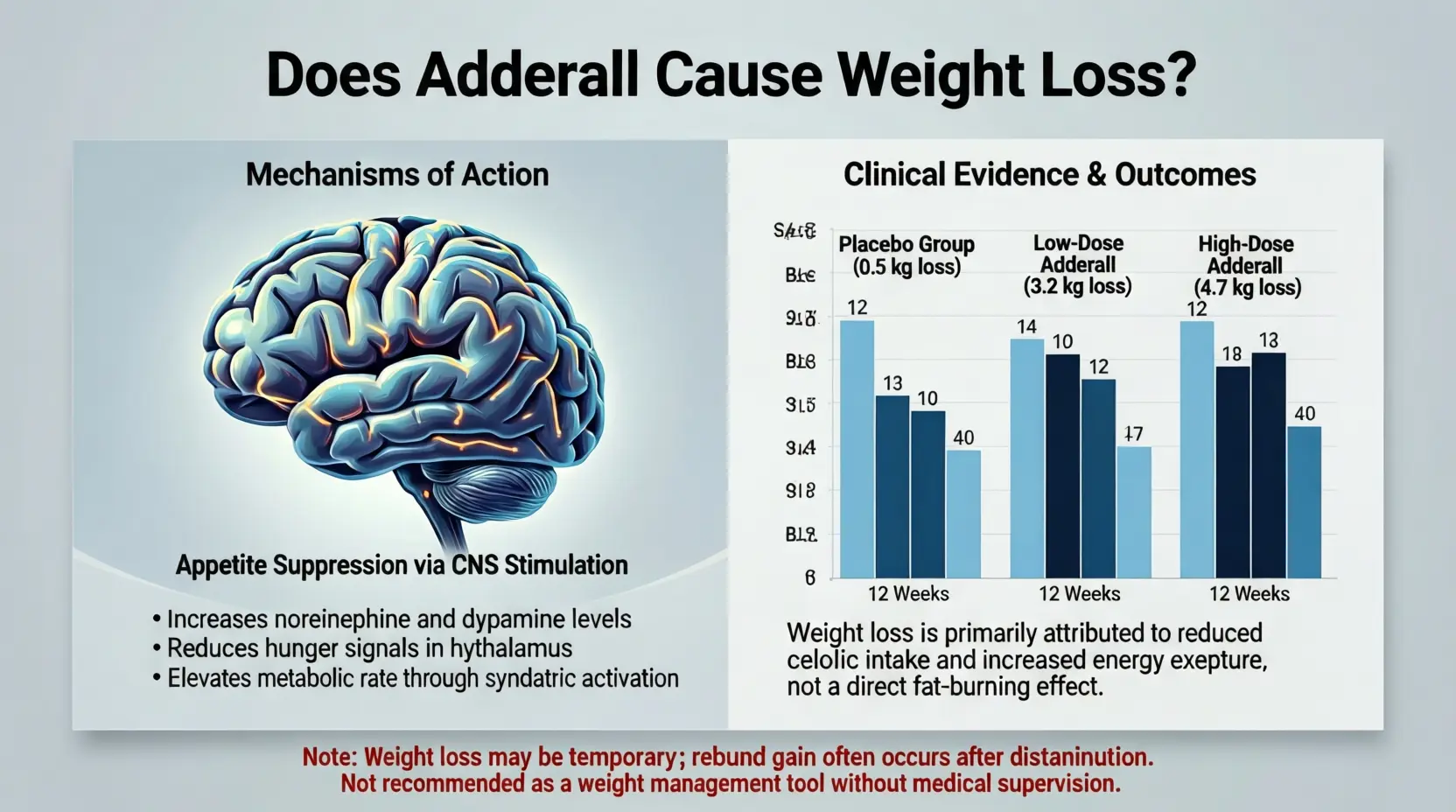
One of the reasons people notice weight changes on Adderall is its effect on appetite and metabolism. As a stimulant, Adderall increases levels of dopamine and norepinephrine in the brain, which not only improves focus and attention but can also suppress feelings of hunger. Many users report feeling less hungry or skipping meals without realizing it, which can result in gradual weight loss over time.
Adderall may also slightly boost metabolism, causing the body to burn calories more efficiently. While this effect is typically mild, it can contribute to weight changes when combined with reduced food intake. However, it’s important to note that not everyone experiences appetite suppression. Some individuals may see minimal weight change, while others might experience a more noticeable effect depending on factors like age, body composition, activity level, and dosage.
Short-term weight loss from Adderall is relatively common, but long-term effects can vary. Some people may adapt to the appetite changes over time, leading to stabilization of weight. Others may experience rebound weight gain if the medication is stopped suddenly, as appetite returns to normal.
Understanding how Adderall interacts with the body’s hunger signals and metabolism is crucial. While it can indirectly cause weight changes, using Adderall solely as a weight loss method is unsafe and not recommended. Instead, any concerns about weight should be discussed with a healthcare professional who can provide guidance tailored to your health needs.
Clinical Evidence on Adderall and Weight Loss
Several clinical studies have examined the relationship between Adderall and weight changes, particularly in people with ADHD. Research shows that appetite suppression is a common side effect of stimulant medications, which can lead to mild to moderate weight loss in some individuals. For children and adolescents with ADHD, studies have found that stimulants like Adderall may slow expected weight gain temporarily, although most continue growing normally over time.
In adults, weight changes can vary more widely. Some studies report small but noticeable weight loss, often occurring in the first few weeks of treatment. This is generally linked to reduced appetite and slightly increased metabolic activity. However, not every adult experiences these effects, and some may maintain their weight despite taking the medication. Factors such as dietary habits, exercise routines, dosage levels, and individual metabolism play a significant role in these differences.
It’s also important to note that most research emphasizes that Adderall is not a weight loss drug. Weight loss in studies is considered a side effect rather than a primary outcome. Clinicians typically monitor patients for healthy weight and growth, especially in children, to ensure that the medication does not cause unintended nutritional deficiencies or health problems.
Risks and Side Effects Related to Weight Loss
While some people may experience weight loss on Adderall, it is important to understand that this effect can come with potential risks and side effects. Using Adderall primarily for weight loss is unsafe and can have serious consequences for both physical and mental health.
One major concern is nutritional deficiencies. Appetite suppression may cause individuals to eat less, which can lead to inadequate intake of essential vitamins, minerals, and calories. Over time, this can weaken the immune system, reduce energy levels, and affect overall health. In children and adolescents, it may even impact healthy growth and development.
Adderall can also increase heart rate and blood pressure, and in some cases, it may worsen anxiety or cause insomnia. When weight loss occurs too rapidly, it can put extra stress on the cardiovascular system. Additionally, the medication carries a risk of dependency and misuse, especially if taken without medical supervision. Using it as a weight loss method without a prescription is particularly dangerous.
Another consideration is rebound weight gain. Once Adderall is discontinued, appetite often returns, and some individuals may regain lost weight quickly. This cycle can create unhealthy patterns of eating and weight management.
Can Weight Gain Occur After Stopping Adderall?
Many people taking Adderall notice changes in appetite and weight, and a common question is whether weight gain occurs after stopping the medication. The answer is yes—rebound weight gain can happen once Adderall is discontinued. This is primarily because the appetite-suppressing effects of the drug are no longer present, allowing individuals to feel hungry more often and eat more than they did while on the medication.
The extent of weight gain varies between individuals. Some may regain only the weight lost while taking Adderall, while others could gain slightly more, especially if lifestyle habits changed during treatment. Factors like dietary habits, physical activity, metabolism, and the length of time on Adderall all influence post-medication weight changes.
It’s also important to note that rebound weight gain is a normal physiological response and does not indicate a health problem on its own. However, sudden or significant changes in weight can be stressful and may affect self-esteem or overall well-being.
To manage weight after stopping Adderall, it is recommended to focus on balanced nutrition, regular exercise, and mindful eating habits. Consulting a healthcare professional can provide guidance tailored to your individual needs, helping to maintain a healthy weight safely.
Healthy Alternatives for Weight Management
While Adderall may affect appetite and lead to temporary weight changes, relying on medication for weight loss is unsafe. Fortunately, there are safe and effective ways to manage weight without risking your health. Focusing on a balanced diet, regular physical activity, and behavioral strategies can provide long-term results.
Diet and Nutrition:
Eating nutrient-rich foods and maintaining consistent meal patterns helps control weight safely. Include plenty of vegetables, fruits, lean proteins, and whole grains. Avoid skipping meals, as this can disrupt metabolism and energy levels. Portion control and mindful eating—paying attention to hunger and fullness cues—are also highly effective.
Exercise and Physical Activity:
Regular movement not only burns calories but also improves cardiovascular health, energy, and mood. A mix of cardio, strength training, and flexibility exercises works best. For those with ADHD, shorter, frequent workouts may be easier to maintain consistently.
Behavioral Strategies:
Developing healthy habits, setting realistic goals, and tracking progress can support weight management. Techniques like meal prepping, scheduling workouts, and monitoring triggers for unhealthy eating can make a big difference.
Professional Guidance:
Consulting a nutritionist, dietitian, or healthcare provider ensures that any weight management plan is safe, especially if you are taking ADHD medication. They can help tailor strategies to your lifestyle and health needs.
FAQs
1. Does everyone lose weight on Adderall?
No. Weight changes vary widely among individuals. Some may experience appetite suppression and mild weight loss, while others may maintain or even gain weight depending on metabolism, lifestyle, and dosage.
2. Is it safe to take Adderall for weight loss?
Absolutely not. Adderall is prescribed for ADHD and narcolepsy, not for weight management. Using it without a prescription can lead to serious health risks, including heart problems, dependency, and nutritional deficiencies.
3. How long does weight loss last while taking Adderall?
Weight loss typically occurs in the first few weeks of treatment when appetite is most affected. Over time, many people adapt to the medication, and appetite may return to normal, stabilizing weight.
4. Can children or adolescents experience growth issues?
Stimulant medications like Adderall can temporarily slow weight gain or height growth in some children. Doctors usually monitor growth and adjust doses to minimize long-term effects.
5. What can I do to manage weight safely while on Adderall?
Focus on balanced nutrition, regular physical activity, and healthy eating habits. Consult a healthcare professional for personalized guidance. Avoid using medication solely for weight loss.
6. Will I gain weight after stopping Adderall?
It’s possible due to rebound appetite, but healthy eating, exercise, and mindful habits can help maintain a stable weight.
Conclusion
Adderall can have a noticeable impact on weight for some individuals, primarily due to its effects on appetite and metabolism.
Many people experience mild to moderate weight loss, particularly in the first few weeks of treatment, while others may see little or no change. These effects are highly individual and depend on factors such as age, dosage, lifestyle, and overall health.
It’s important to remember that Adderall is prescribed for ADHD and narcolepsy, not for weight management.
Using it as a tool for weight loss can be dangerous, leading to risks like nutritional deficiencies, increased heart rate, anxiety, insomnia, and even dependency.
For children and adolescents, careful monitoring is essential to prevent disruptions in healthy growth and development.
Rebound weight gain is also common after stopping Adderall, as appetite often returns to normal. Understanding these potential changes helps set realistic expectations and encourages safe habits.
For individuals concerned about weight, the safest approach is a combination of balanced nutrition, regular exercise, and behavioral strategies.
Consulting a healthcare professional ensures that any weight management plan is tailored to your needs and safe while taking or discontinuing medication.
Ultimately, while Adderall may indirectly affect weight, prioritizing overall health, sustainable habits, and medical guidance is far more effective and safe than relying on medication for weight loss.
By staying informed and proactive, individuals can manage their health, focus, and weight safely.

I’m Charles Dickens, a quotes expert at Quotesfuel.com — sharing timeless wisdom and inspiring words to brighten your day and uplift your mind