Vibration plates have become one of the most talked-about fitness tools in recent years, often promoted as an easy way to lose weight, burn fat, and tone muscles with minimal effort.
From gyms to home workout setups, these vibrating platforms promise big results in a short amount of time—but do they really deliver?
Weight loss ultimately depends on calorie balance, muscle activity, and consistency, so where does vibration training fit into the equation? In this article, we’ll take a science-based look at how vibration plates work, what research says about their effectiveness for weight loss, and whether they can play a useful role in a realistic fitness routine.
By the end, you’ll know exactly what to expect—and what not to—before investing time or money in a vibration plate.
What Is a Vibration Plate?
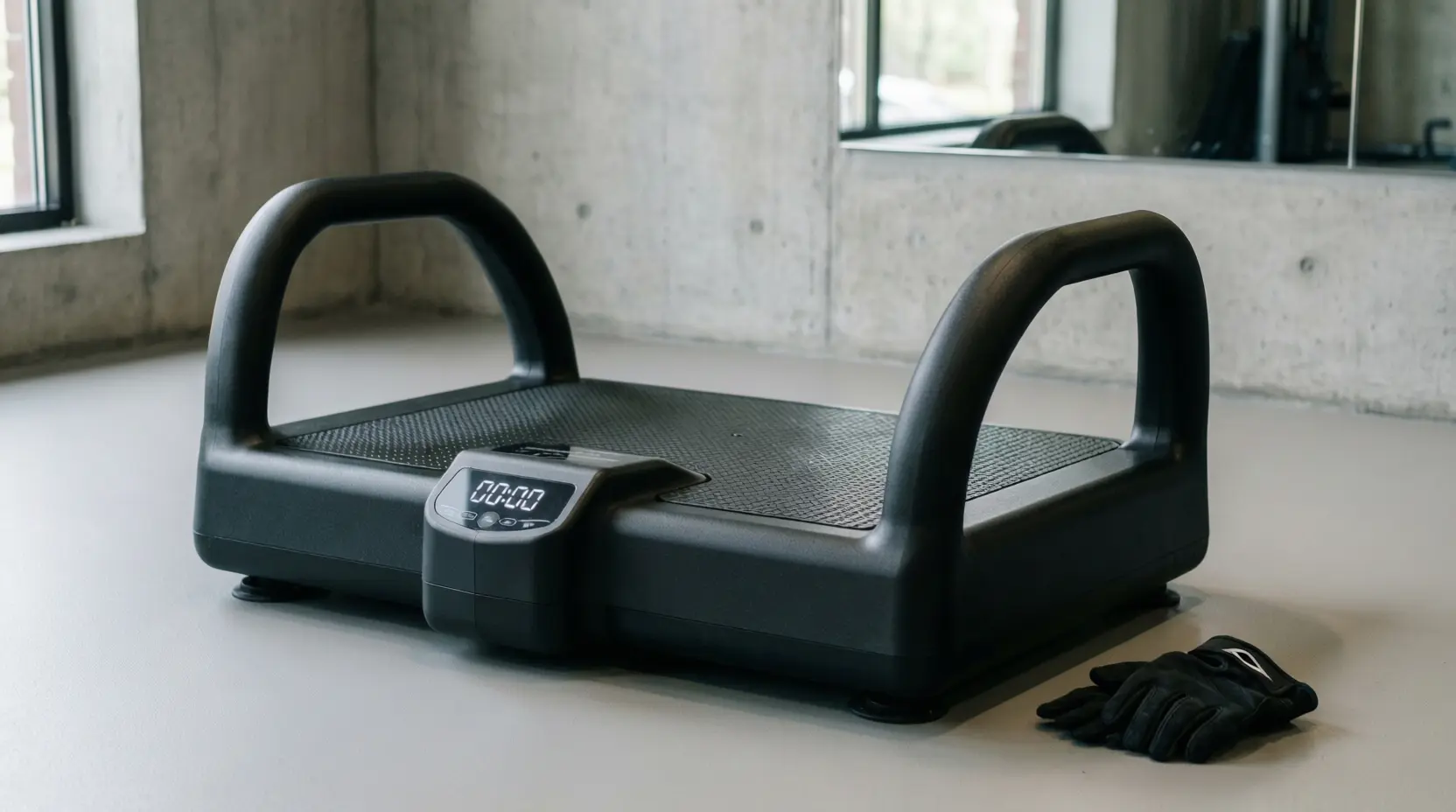
A vibration plate is a fitness device that consists of a flat platform which vibrates at varying speeds and intensities while you stand, sit, or perform exercises on it.
There are several types of vibration plates, each producing movement in different ways. Vertical vibration plates move straight up and down, while oscillating plates tilt side to side, mimicking a walking motion. More advanced 3D or tri-planar plates combine multiple directions of movement to increase muscle engagement.
When you use a vibration plate, the rapid movements create instability that forces your muscles—especially those in the legs, core, and lower back—to react continuously to maintain balance. This reflexive muscle activation is what gives vibration plates their training effect. While simply standing on the plate activates muscles to a degree, performing exercises such as squats, lunges, or planks significantly increases the workload. Understanding how vibration plates function is essential before evaluating whether they can meaningfully contribute to weight loss.
How Weight Loss Actually Works
To understand whether a vibration plate can help with weight loss, it’s important to first understand how weight loss occurs in the body. When this happens consistently, the body turns to stored energy—primarily fat—to make up the difference. No exercise tool or machine can bypass this fundamental process.
It’s also essential to distinguish between weight loss and fat loss. The number on the scale can change due to fluctuations in water weight, muscle mass, or digestion, not just fat. True, sustainable weight loss focuses on reducing body fat while preserving or building lean muscle. This is where exercise plays a supporting role, alongside nutrition.
Different types of exercise contribute to weight loss in different ways. Cardiovascular exercise burns a high number of calories during the activity itself, while strength training builds muscle that increases resting metabolic rate over time. Vibration plate training falls somewhere in between. It does activate muscles and may slightly increase energy expenditure, but it generally does not burn calories at the same rate as traditional cardio or resistance workouts.
They can enhance muscle engagement, improve consistency for beginners, and support movement, but lasting results still depend on diet, activity level, and long-term habits. Understanding this foundation helps set realistic expectations for what vibration plates can—and cannot—do.
Can a Vibration Plate Help You Lose Weight?
The short answer is that a vibration plate can support weight loss, but it is unlikely to cause significant results on its own. Using a vibration plate does increase muscle activation and energy expenditure compared to standing still on the ground, but the total number of calories burned during a typical session is relatively modest. For most people, a 10–15 minute vibration plate session burns far fewer calories than brisk walking, cycling, or traditional strength training.
Where vibration plates may offer value is through indirect benefits that support a weight-loss routine. The constant muscle contractions triggered by whole-body vibration can improve strength, balance, and muscle endurance, particularly in the legs and core. Over time, these improvements may make it easier to perform other exercises more effectively, leading to higher overall calorie burn throughout the day.
Some studies suggest vibration training may help reduce body fat or waist circumference in specific populations, such as sedentary adults or individuals with obesity, when combined with diet and regular exercise.
Ultimately, a vibration plate works best as a supplementary tool. When used alongside resistance training, cardio, and a calorie-controlled diet, it can add variety, increase muscle engagement, and help certain individuals stay consistent with movement. On its own, however, it is unlikely to create the calorie deficit needed for meaningful weight loss.
Vibration Plates and Fat Loss
One of the most common claims surrounding vibration plates is that they can directly burn fat, particularly in stubborn areas like the belly, thighs, or hips. In reality, fat loss does not work this way. Simply standing on a vibration plate will not cause fat to melt away from specific parts of the body.
That said, vibration plates may contribute to fat loss indirectly. The rapid muscle contractions caused by vibration increase muscle activity and slightly elevate energy expenditure. When combined with active movements such as squats, lunges, or planks, vibration training can make these exercises more challenging, potentially increasing overall calorie burn compared to performing them on a stable surface.
It’s also important to manage expectations. Vibration plates do not significantly raise heart rate for extended periods, which limits their fat-burning potential compared to aerobic exercise. When paired with a calorie-controlled diet and consistent movement, vibration plates can support fat loss—but they are not a magic fix.
Muscle Toning and Body Composition Changes
While vibration plates may have limited direct impact on fat loss, they are often more effective when it comes to muscle toning and body composition. The rapid vibrations cause muscles to contract reflexively multiple times per second, which can increase muscle activation compared to performing the same movement on a stable surface. This effect is especially noticeable in the legs, glutes, and core, which are constantly working to maintain balance.
Improved muscle activation can lead to modest gains in strength and endurance over time, particularly for beginners or individuals returning to exercise after a long break. While this metabolic boost is not dramatic, it can contribute to long-term weight management when combined with proper nutrition and regular training.
Vibration training may also help improve posture, balance, and joint stability, which can make other forms of exercise safer and more effective. Better movement quality often leads to more consistent workouts and a lower risk of injury, both of which are critical for sustainable results.
It’s important to note that muscle toning does not necessarily mean large increases in muscle size. Instead, users often experience improved muscle firmness and definition due to increased neuromuscular engagement. For those looking to enhance their overall physique, vibration plates can be a useful addition—but they work best when paired with traditional resistance training rather than used alone.
Best Exercises to Do on a Vibration Plate
Simply standing on the platform provides limited benefits, while performing controlled exercises can significantly increase muscle engagement and overall workout intensity. Choosing the right movements allows you to maximize results while staying safe.
For beginners, basic exercises are a good starting point. Static stands, light squats, and seated positions help the body adapt to the vibration stimulus without excessive strain. These movements improve circulation, balance, and muscle awareness, making them ideal for those new to vibration training or returning to exercise.
Intermediate users can increase intensity by adding dynamic lower-body movements such as squats, lunges, and calf raises. Core-focused exercises like planks or glute bridges performed with hands or feet on the plate activate stabilizing muscles more intensely than on the floor. These exercises help improve strength, coordination, and endurance.
Advanced users may incorporate single-leg movements, push-ups, or resistance bands to further challenge the muscles. The instability created by the vibration amplifies the difficulty of these exercises, requiring greater control and strength. However, proper form is essential to avoid unnecessary strain.
Regardless of fitness level, short, controlled sessions tend to be more effective than long, passive ones. Combining vibration plate exercises with traditional workouts creates a balanced routine that supports muscle development, calorie burn, and overall fitness progress.
How to Use a Vibration Plate for Weight Loss
To get the most benefit from a vibration plate, it’s important to focus on proper use, consistency, and realistic expectations. Vibration plates are most effective when used as part of a structured fitness routine rather than as a standalone solution. For most people, using a vibration plate 3 to 5 times per week is sufficient to see improvements in strength, balance, and muscle tone.
Session length is another key factor. Overusing a vibration plate can lead to fatigue or discomfort without providing additional benefits. It’s better to prioritize quality over quantity.
Intensity settings should start low, particularly for beginners. Lower frequencies allow the body to adapt to the vibration stimulus and reduce the risk of dizziness or muscle strain. Higher frequencies may increase muscle activation, but more vibration does not automatically lead to better results.
For weight loss, vibration training works best when combined with cardiovascular exercise and strength training. Using the plate before a workout can help activate muscles, while using it after exercise may support recovery and flexibility. When paired with a calorie-controlled diet and regular movement, vibration plates can contribute to a sustainable, well-rounded approach to weight management.
Who Can Benefit Most from a Vibration Plate?
Vibration plates can be especially useful for certain groups of people, depending on their fitness level, goals, and physical limitations. Beginners often benefit the most, as vibration training provides muscle activation without requiring complex movements or heavy weights. This can make exercise feel more accessible and less intimidating at the start of a fitness journey.
Individuals with limited mobility or joint discomfort may also find vibration plates helpful. Because the movements are low impact, they can improve circulation, muscle engagement, and balance without placing excessive stress on the joints. Older adults, in particular, may experience improvements in stability and coordination, which are important for reducing the risk of falls.
When supervised by a healthcare professional, they can support muscle reactivation and recovery following injury or periods of inactivity.
However, vibration plates are not suitable for everyone. People who are pregnant, have heart conditions, joint replacements, spinal issues, epilepsy, or severe balance disorders should avoid using vibration plates unless cleared by a medical professional. Improper use or excessive intensity can lead to discomfort or injury.
Risks, Side Effects, and Safety Considerations
Although vibration plates are generally safe for healthy individuals when used correctly, they are not completely risk-free. Understanding potential side effects and proper safety guidelines is essential to avoid injury and ensure positive results. One of the most common side effects, especially for beginners, is dizziness or lightheadedness, which can occur if the vibration intensity is too high or sessions are too long. Starting at a low setting and gradually increasing intensity helps minimize this risk.
Some users may experience muscle soreness or tingling sensations after a session. This is usually temporary and similar to the feeling after traditional exercise. However, excessive use or poor posture can place unnecessary stress on joints, particularly the knees, hips, and lower back. Maintaining proper form—such as keeping knees slightly bent and engaging the core—can significantly reduce strain.
Footwear and positioning also matter. Standing barefoot or wearing supportive athletic shoes depends on personal comfort and manufacturer recommendations, but maintaining stability is crucial.
Certain individuals should use extra caution or avoid vibration plates altogether. These include people with cardiovascular conditions, pacemakers, recent surgeries, spinal disorders, or neurological conditions. Pregnant individuals should not use vibration plates due to potential risks. Following manufacturer guidelines and seeking medical advice when necessary ensures vibration training remains a safe and supportive addition to an overall fitness routine.
Vibration Plates vs Other Weight-Loss Methods
When evaluating whether a vibration plate is worth using, it helps to compare it with more traditional weight-loss methods. Cardiovascular exercise, such as walking, running, cycling, or swimming, remains one of the most effective ways to burn calories and support fat loss. These activities significantly elevate heart rate and energy expenditure, making them more efficient for creating a calorie deficit than vibration training alone.
Strength training plays a different but equally important role. Lifting weights or performing bodyweight exercises builds lean muscle mass, which increases metabolism over time. While vibration plates do activate muscles, they generally do not provide the same level of progressive overload required for substantial muscle growth unless combined with resistance exercises.
Vibration plates fall into a category of low-impact, supportive fitness tools. Compared to technologies like electrical muscle stimulation (EMS), vibration plates are more functional, as they allow for active movement rather than passive muscle contractions.
For individuals who struggle with high-impact exercise or consistency, vibration plates may serve as a helpful bridge into more traditional training. However, for those seeking significant weight loss, the most effective approach remains a combination of calorie control, regular cardiovascular activity, and resistance training.
Common Myths and Realistic Expectations
One of the most common myths is that you can lose weight simply by standing on a vibration plate for a few minutes a day. While muscle activation does occur, passive use alone is not enough to create meaningful weight loss or fat reduction.
Another misconception is that higher vibration settings automatically lead to better results. In reality, excessive intensity can increase discomfort and injury risk without providing additional benefits. Consistency, proper form, and progressive use matter far more than maximum vibration.
Many users also expect rapid, visible results. In practice, changes from vibration training tend to be subtle and gradual. Improvements may include better muscle tone, balance, and posture before any noticeable changes in body weight or fat percentage appear.
A realistic timeline helps prevent frustration. Within a few weeks, users may notice increased muscle engagement and improved stability. After one to three months of consistent use alongside a healthy lifestyle, modest improvements in body composition may occur. However, vibration plates are not a shortcut and cannot replace the fundamentals of weight loss.
How to Choose the Right Vibration Plate
Selecting the right vibration plate is important if you want to use it safely and effectively One of the first factors to consider is the type of vibration.
The frequency range and amplitude determine how strong the vibrations feel. A wider frequency range allows for gradual progression, which is especially useful for beginners. Plates with adjustable settings provide better control and flexibility as fitness levels improve. Weight capacity is another critical factor—choosing a plate that comfortably supports your body weight ensures stability and longevity. A solid, non-slip platform reduces the risk of slipping or wobbling during exercises. Noise level can also matter, particularly for home use or apartment living. Additional features such as remote controls, preset programs, and resistance bands can add convenience, but they are not essential.
Budget is often a deciding factor. While higher-priced models may offer better construction and more settings, effective vibration plates are available at various price points. Rather than focusing on marketing claims, look for reputable brands, clear specifications, and user reviews. Choosing a vibration plate that fits your goals and experience level will make it easier to use consistently and safely.
Results Timeline and Final Verdict
Understanding how long it takes to see results from a vibration plate helps set realistic expectations. In the first few weeks, most users notice improvements in muscle awareness, balance, and circulation rather than visible weight loss. These early changes are signs that the muscles are responding to the vibration stimulus, even if the scale does not immediately move.
After one to three months of consistent use—especially when combined with strength training, cardio, and a balanced diet—some individuals may experience modest improvements in muscle tone and body composition. Waist measurements or how clothes fit may change before overall body weight does. However, results vary significantly depending on usage, lifestyle, and individual metabolism.
They can enhance workouts, improve consistency, and provide a low-impact option for staying active, but they cannot replace the calorie burn and metabolic benefits of traditional exercise. Weight loss still depends on sustainable habits such as proper nutrition, regular movement, and adequate recovery.
Key Takeaways and Actionable Advice
Vibration plates can be a useful addition to a weight-loss routine—but only when used with the right mindset and approach. The most important takeaway is that vibration plates are not a standalone solution. They do not magically burn fat or replace the need for proper nutrition and regular exercise. Instead, they work best as a supportive tool that enhances muscle activation, balance, and overall movement quality.
If your goal is weight loss, focus first on building a sustainable foundation. This includes maintaining a calorie-controlled diet, staying active throughout the day, and incorporating both cardiovascular exercise and strength training into your routine.
For best results, use a vibration plate actively rather than passively. Perform controlled exercises, keep sessions short, and prioritize good form. Start with lower intensity settings and progress gradually as your body adapts. Listening to your body and avoiding overuse is essential for long-term success.
Ultimately, the value of a vibration plate depends on how it fits into your lifestyle. For beginners, older adults, or those seeking low-impact options, it can be a helpful stepping stone toward a more active life. When paired with realistic expectations and healthy habits, vibration plates can support—not replace—your weight-loss journey.
Frequently Asked Questions About Vibration Plates and Weight Loss
Do vibration plates actually work for weight loss?
Vibration plates can support weight loss, but they do not work on their own. They activate muscles and slightly increase calorie burn, which can contribute to a calorie deficit when combined with proper diet and regular exercise.
Can you lose belly fat using a vibration plate?
Vibration plates cannot target belly fat specifically. Spot reduction is a myth. However, when used as part of a consistent fitness routine, vibration training may help reduce overall body fat, including abdominal fat, over time.
How long should you use a vibration plate each day?
Most experts recommend 10 to 15 minutes per session, up to 3–5 times per week. Longer sessions do not necessarily lead to better results and may increase the risk of discomfort or overuse.
Is standing on a vibration plate enough?
Standing alone provides minimal benefits. Active exercises such as squats, lunges, planks, and push-ups significantly increase muscle engagement and overall effectiveness.
Are vibration plates safe?
For healthy individuals, vibration plates are generally safe when used correctly. However, people with medical conditions such as heart disease, joint replacements, spinal issues, or pregnancy should consult a healthcare provider before use.
Are vibration plates worth the money?
They can be worth it for individuals seeking low-impact exercise, improved balance, or workout variety.
Conclusion
Vibration plates have gained popularity because they promise an easy and low-impact way to support weight loss and fitness.
However, when looking at the evidence and practical use, it becomes clear that vibration plates are not a magic solution for losing weight.
They do not burn a high number of calories on their own, nor can they replace proper nutrition or traditional exercise.
That said, vibration plates can still play a valuable supporting role in a healthy lifestyle. They help activate muscles, improve balance, and make simple exercises more challenging—especially for beginners, older adults, or individuals with joint limitations.
When used actively and consistently, vibration training may improve muscle tone, movement quality, and overall workout efficiency.
The key to success lies in realistic expectations. Weight loss is the result of long-term habits, including a calorie-controlled diet, regular physical activity, and consistency.
A vibration plate can enhance these efforts, but it cannot compensate for a sedentary lifestyle or poor nutrition.
If you enjoy using a vibration plate and it helps you stay active, motivated, and consistent, then it can absolutely be worth including in your routine.
Think of it as a tool—not a shortcut. When combined with smart exercise choices and healthy eating, vibration plates can support your weight-loss journey and contribute to better overall fitness in a safe and sustainable way.

I’m Charles Dickens, a quotes expert at Quotesfuel.com — sharing timeless wisdom and inspiring words to brighten your day and uplift your mind