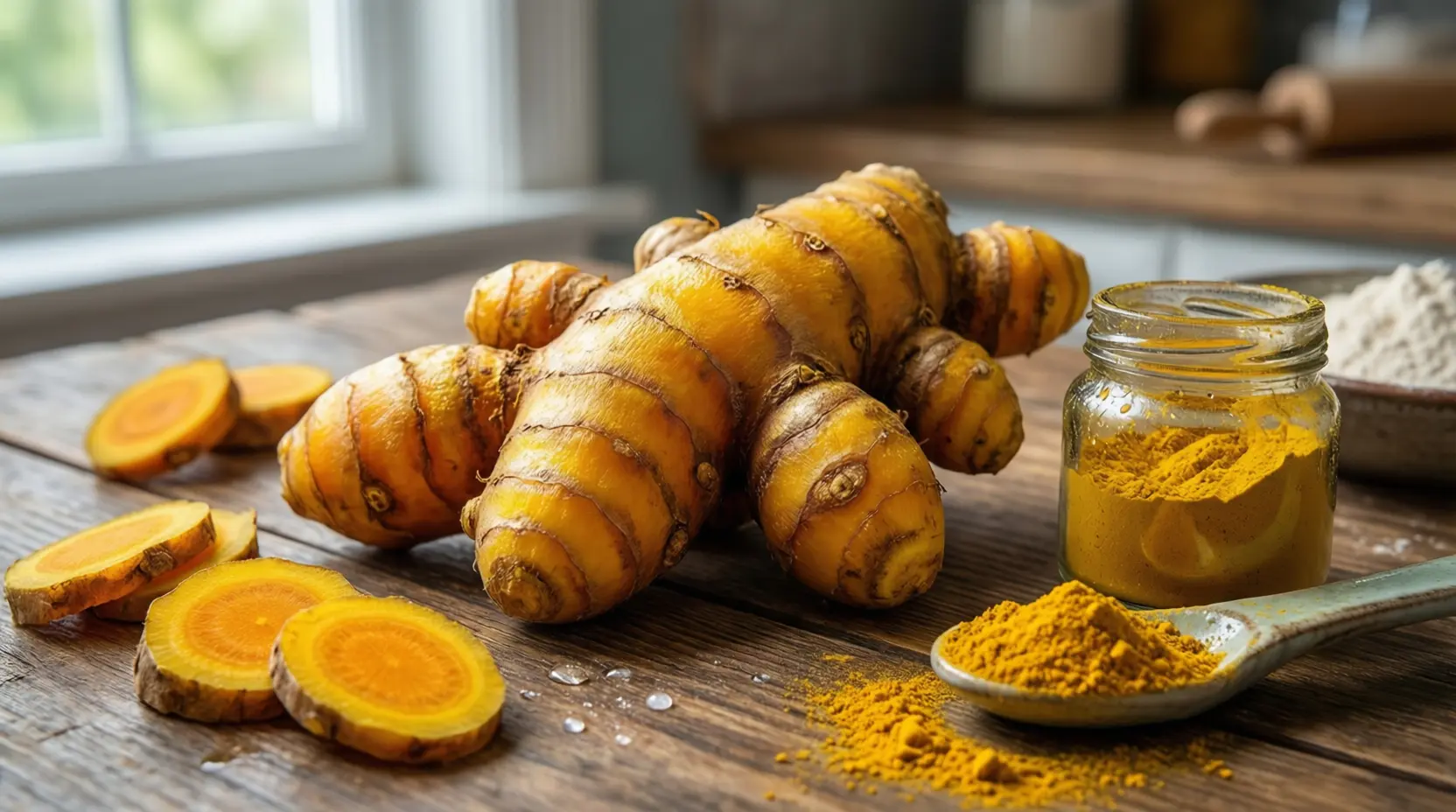
Turmeric, often called the “golden spice,” has been used for centuries in traditional medicine for its powerful healing properties.
Beyond adding flavor and color to dishes, turmeric contains curcumin, a potent compound known for its anti-inflammatory and antioxidant benefits.
In recent years, health enthusiasts have been exploring turmeric’s potential role in weight management, sparking the question: can this ancient spice actually help you lose weight?
Research suggests that curcumin may support metabolism, reduce inflammation linked to obesity, and influence fat storage in the body.
While it’s not a magic solution, incorporating turmeric into your daily routine—through meals, teas, or supplements—can complement a balanced diet and active lifestyle.
In this article, we’ll dive deep into the science behind turmeric and weight loss, how to use it effectively, and practical tips to make it part of a sustainable wellness journey.
What Is Turmeric and Curcumin?
Turmeric is a bright yellow-orange spice derived from the root of the Curcuma longa plant, commonly used in Indian, Middle Eastern, and Southeast Asian cuisines. While it adds flavor and color to dishes, turmeric is more than just a culinary ingredient—it has been prized for thousands of years for its medicinal properties.
The key to turmeric’s health benefits is curcumin, a natural compound responsible for its vibrant color and powerful effects on the body. Curcumin is a strong antioxidant that helps fight free radicals, which are unstable molecules that can damage cells and contribute to chronic diseases. It’s also known for its anti-inflammatory properties, which may help reduce inflammation linked to obesity, metabolic disorders, and other health issues.
Beyond curcumin, turmeric contains essential nutrients, including vitamins (such as vitamin C, E, and K), minerals like iron and potassium, and dietary fiber. These compounds work together to support overall wellness, from promoting digestion to improving immune function.
Although turmeric is widely available in powdered or fresh form, curcumin content in natural turmeric is relatively low. To maximize its benefits, it is often combined with black pepper, which contains piperine—an ingredient that significantly enhances curcumin absorption in the body. Turmeric supplements, teas, and culinary applications can all provide a convenient way to include this golden spice in your daily routine.
How Turmeric May Support Weight Loss
Turmeric may play a supportive role in weight loss, largely due to its active compound, curcumin. One of the primary ways turmeric can help is by boosting metabolism. Curcumin has been shown in studies to increase energy expenditure and fat oxidation, meaning your body may burn calories more efficiently when turmeric is included in your diet.
Another key factor is turmeric’s anti-inflammatory properties. Chronic inflammation is often linked to obesity, insulin resistance, and fat accumulation. By reducing inflammation, curcumin may help your body regulate fat storage and improve overall metabolic health.
Turmeric may also influence hormones related to appetite and fat storage, such as leptin and adiponectin. These hormones help control hunger signals and how fat is distributed in the body, potentially supporting healthier weight management.
Additionally, turmeric can support gut health, which plays a crucial role in weight control. A balanced gut microbiome can improve digestion, nutrient absorption, and even influence fat metabolism. Curcumin’s antioxidant properties may also reduce oxidative stress in the digestive tract, promoting better overall function.
While turmeric can aid weight management, it’s important to note that it is not a standalone solution. Its benefits are most effective when combined with a balanced diet, regular exercise, and healthy lifestyle habits. Incorporating turmeric into meals, smoothies, or teas can provide a natural boost to your weight-loss journey without relying solely on supplements.
Scientific Evidence Behind Turmeric and Weight Loss
Several studies have explored turmeric, specifically its active compound curcumin, and its potential role in weight management. Research suggests that curcumin may help reduce body fat, improve metabolism, and support overall health, although most studies emphasize it as a complementary aid rather than a standalone solution.
Animal studies have shown that curcumin can suppress fat tissue growth and regulate fat metabolism. For example, mice fed a high-fat diet along with curcumin exhibited less fat accumulation compared to control groups. These findings suggest that curcumin can influence how the body stores and burns fat.
Human studies, though limited, also indicate promising effects.Participants also reported improvements in inflammatory markers, which are closely linked to obesity and metabolic health.
Despite these encouraging results, experts caution that more large-scale, long-term studies are needed to fully understand the weight-loss potential of turmeric in humans. Factors like curcumin dosage, absorption rate, and individual metabolism play a significant role in its effectiveness. Pairing turmeric with black pepper or healthy fats can enhance absorption, maximizing its potential benefits.
In summary, while turmeric shows scientific promise in supporting weight management, it should be seen as a natural aid to a healthy lifestyle, not a miracle solution. Integrating it into meals or supplements can complement balanced diet and exercise routines for gradual, sustainable results.
How to Use Turmeric for Weight Loss
Incorporating turmeric into your daily routine can be simple and enjoyable, whether through food, drinks, or supplements. One of the easiest ways is by adding fresh or powdered turmeric to meals such as soups, stews, curries, or stir-fries. Its warm, earthy flavor complements a wide variety of dishes while providing potential weight-loss benefits.
Turmeric tea or golden milk is another popular option. Simply mix turmeric with warm milk or plant-based alternatives, add a pinch of black pepper to enhance absorption, and enjoy as a soothing beverage. Smoothies can also be boosted with a teaspoon of turmeric powder for a nutrient-rich, metabolism-supporting drink.
For those looking for convenience, turmeric supplements are available in capsule or extract form. These often contain higher concentrations of curcumin than culinary turmeric, making them more effective. However, it’s important to follow recommended dosages and consult a healthcare provider before starting any supplement regimen.
To maximize the benefits, turmeric should be paired with black pepper, which contains piperine—a natural compound that improves curcumin absorption significantly. Additionally, combining turmeric intake with a balanced diet and regular exercise ensures that its potential effects on metabolism and fat regulation are fully supported.
While turmeric is a natural aid, remember that consistent use over time, rather than a single dose, is key. By incorporating turmeric into meals, beverages, or supplements thoughtfully, you can make it a practical and supportive part of your weight-loss journey.
Benefits Beyond Weight Loss
While turmeric is often highlighted for its potential role in weight management, its health benefits extend far beyond fat loss. The star compound curcumin provides powerful anti-inflammatory and antioxidant effects, which can protect the body against chronic diseases and support overall wellness.
One major benefit is its role in reducing inflammation. Chronic inflammation is linked not only to obesity but also to heart disease, diabetes, and joint problems. By lowering inflammation, turmeric may help improve overall metabolic health and prevent complications associated with excess weight.
Turmeric also supports digestion and gut health. Its natural compounds can stimulate bile production, aiding in the breakdown of fats and improving nutrient absorption. A healthier digestive system can enhance energy levels and promote a more balanced metabolism.
In addition, turmeric may help regulate blood sugar and cholesterol levels. Some studies suggest that curcumin can improve insulin sensitivity and reduce LDL cholesterol, both of which contribute to better metabolic function and long-term weight management.
Beyond internal health, turmeric’s antioxidant properties may also benefit the skin and immune system, helping protect against oxidative stress and supporting overall vitality.
In short, turmeric is more than just a spice for weight loss—it is a versatile natural supplement that can support inflammation reduction, improve digestion, regulate blood sugar, and promote overall wellness. Including it in your daily routine may provide a holistic approach to health, complementing diet, exercise, and lifestyle practices.
Precautions and Side Effects
While turmeric is generally safe for most people when used in cooking or moderate amounts, it’s important to be aware of potential side effects and precautions, especially when consuming high doses or supplements.
One common concern is stomach upset or digestive issues. Some individuals may experience nausea, bloating, or diarrhea when consuming large amounts of turmeric or curcumin supplements. Starting with small amounts and gradually increasing intake can help minimize these effects.
Turmeric may also interact with certain medications. People taking blood thinners, diabetes medication, or medications that reduce stomach acid should consult a healthcare professional before adding turmeric supplements to their routine. Curcumin can enhance the effects of blood-thinning drugs and may affect blood sugar levels.
Pregnant and breastfeeding women should exercise caution as well. While culinary turmeric is generally considered safe, high-dose supplements are not recommended during pregnancy without medical guidance.
Additionally, turmeric’s bright yellow pigment can temporarily stain teeth, hands, and clothing, so handling it carefully is advised.
To safely include turmeric in your diet:
- Stick to culinary amounts for everyday use.
- If taking supplements, follow the recommended dosage.
- Pair turmeric with black pepper to improve absorption while minimizing unnecessary intake.
- Monitor your body’s response and discontinue use if any adverse effects occur.
Lifestyle Tips for Effective Weight Loss With Turmeric
While turmeric can support weight management, combining it with healthy lifestyle habits is essential for real and sustainable results. Simply adding turmeric to meals without addressing diet or activity levels is unlikely to produce significant weight loss.
1. Eat a Balanced Diet: Turmeric works best when paired with nutrient-rich foods. Focus on whole grains, lean proteins, vegetables, and healthy fats. Avoid excessive processed foods and added sugars, which can counteract turmeric’s benefits.
2. Incorporate Regular Exercise: Physical activity boosts metabolism and complements turmeric’s fat-regulating properties. Aim for a combination of cardio, strength training, and flexibility exercises to support overall fat loss and maintain muscle mass.
3. Manage Stress: Chronic stress can trigger fat storage, especially around the belly. Mindful practices such as yoga, meditation, or deep-breathing exercises can help reduce stress and enhance the effectiveness of turmeric in your routine.
4. Prioritize Sleep: Poor sleep disrupts hormones that control appetite and metabolism. Getting 7–9 hours of quality sleep each night supports your body’s ability to burn fat efficiently.
5. Consistent Turmeric Use: Incorporate turmeric daily through meals, teas, or supplements, and pair it with black pepper to maximize absorption of curcumin. Consistency over time is key to seeing gradual benefits.
By combining turmeric with a healthy diet, regular exercise, stress management, and proper sleep, you create a holistic approach to weight loss. Turmeric acts as a natural support that complements these habits, rather than replacing them, helping you achieve long-term, sustainable results.
Real-Life Experiences and Success Stories
Many people have shared positive experiences incorporating turmeric into their weight-loss journeys, highlighting its role as a supportive, natural aid. While results vary, these stories provide practical insight into how turmeric can be used effectively.
One common approach is adding turmeric to daily meals or drinks. For example, some individuals start their day with turmeric-infused smoothies or golden milk, reporting improved digestion and reduced bloating. Over several weeks, they noticed gradual weight loss, especially when paired with a balanced diet and exercise.
Others have found success with curcumin supplements, particularly those combined with black pepper to improve absorption. Users often report feeling more energetic and experiencing reduced cravings, making it easier to stick to healthier eating habits.
People have also emphasized turmeric’s holistic benefits, such as reduced joint discomfort from its anti-inflammatory properties and better overall gut health. Many note that while turmeric alone did not lead to dramatic weight loss, it complemented lifestyle changes effectively, enhancing motivation and results.
These experiences highlight that turmeric works best as part of a consistent, healthy routine. Small, sustainable changes—like adding turmeric to meals, drinking turmeric tea, or taking supplements—can make the weight-loss journey more manageable.
FAQ:
1. Can turmeric alone help me lose weight?
Turmeric is not a miracle solution. It can support weight loss by boosting metabolism, reducing inflammation, and improving fat regulation, but results are best when combined with a balanced diet and regular exercise.
2. How much turmeric should I take daily?
For culinary use, adding ½ to 1 teaspoon of turmeric powder to meals is generally safe. If using supplements, follow the manufacturer’s instructions or consult a healthcare professional, as dosages vary. Pairing turmeric with black pepper enhances absorption.
3. Is turmeric tea effective for weight loss?
Yes, turmeric tea or golden milk can help support metabolism and digestion, especially when consumed consistently. However, it should complement a healthy diet and lifestyle, not replace meals or exercise.
4. Can I take turmeric supplements safely?
Most people tolerate turmeric supplements well, but high doses can cause digestive discomfort or interact with medications, such as blood thinners or diabetes drugs. Always consult a healthcare provider before starting supplements.
5. How long does it take to see results?
Results vary depending on diet, exercise, metabolism, and consistency. Some people notice improved digestion or reduced bloating within weeks, while meaningful weight-loss effects may take 1–3 months of consistent use alongside lifestyle changes.
6. Are there any side effects?
Turmeric is generally safe, but excessive intake may cause stomach upset, nausea, or heartburn. Pregnant or breastfeeding women and people on certain medications should exercise caution.
By addressing these common questions, you can use turmeric safely and effectively, maximizing its potential benefits in your weight-loss journey.
Conclusion
Turmeric, with its active compound curcumin, is much more than a vibrant kitchen spice—it’s a natural ally for those seeking to support weight loss and overall wellness.
Research suggests that curcumin may help boost metabolism, regulate fat storage, reduce inflammation, and improve digestion, all of which can contribute to a healthier body weight.
While it is not a magic solution, turmeric can serve as a valuable addition to a balanced diet and active lifestyle, complementing other weight-loss strategies.
Incorporating turmeric into your routine is simple and versatile. You can use it in cooking, teas, smoothies, or supplements, and pairing it with black pepper enhances its absorption and effectiveness. Real-life experiences show that consistent use, even in small amounts, can support gradual, sustainable changes in body composition and overall health.
It’s important to remember that turmeric works best as part of a holistic approach. Eating nutrient-rich foods, exercising regularly, managing stress, and getting quality sleep are essential components of effective weight management.
Additionally, being mindful of precautions—such as possible side effects, medication interactions, and recommended dosages—ensures you enjoy turmeric safely.
Ultimately, turmeric is a natural, supportive tool in your wellness journey. By combining it with healthy habits and consistency, you can harness its potential benefits for both weight management and overall well-being, creating a sustainable, long-term approach to a healthier lifestyle.

I’m Robert Silva, a quotes expert at Quotesfuel.com — delivering powerful words and daily inspiration to keep your spirit fueled!