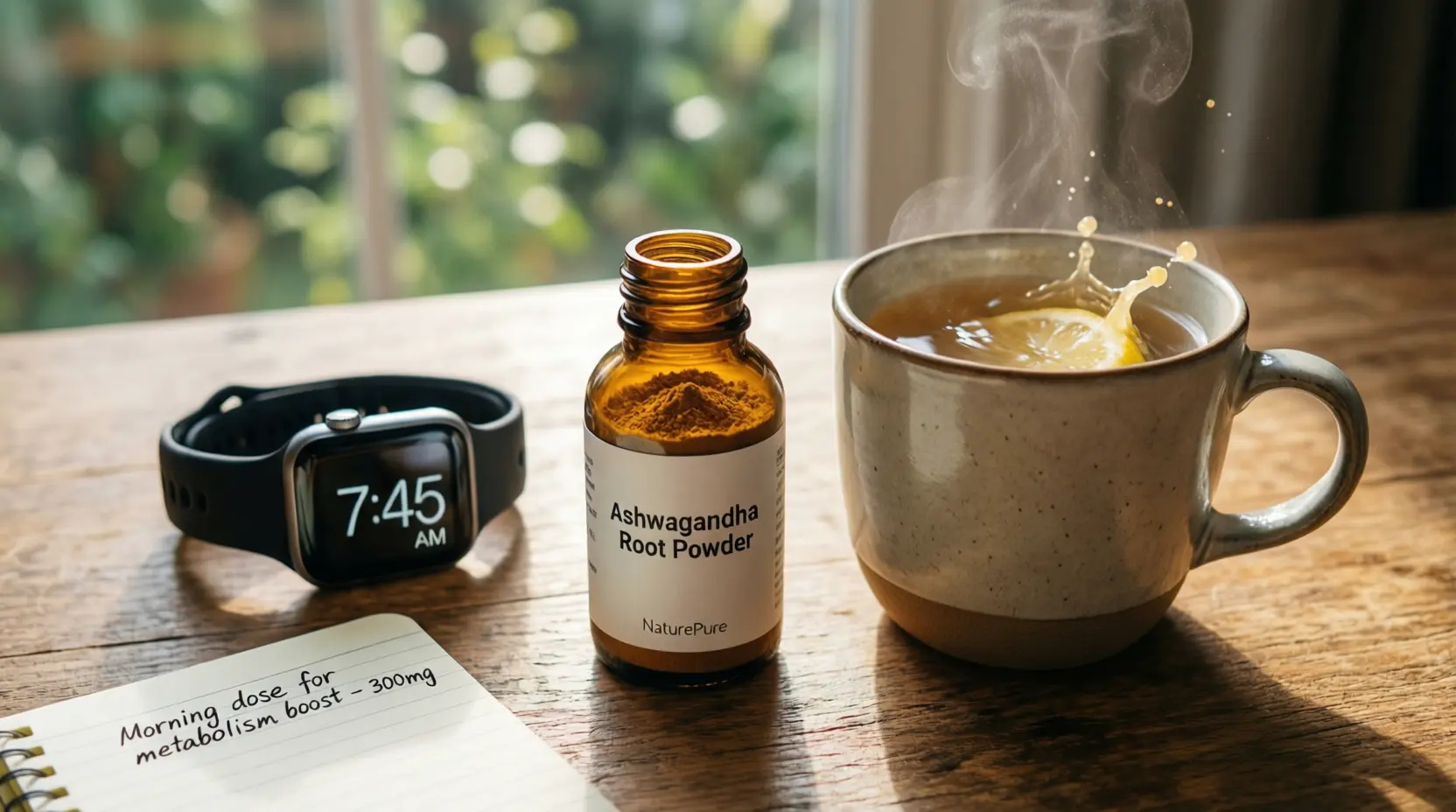
Losing weight isn’t just about cutting calories or exercising more—stress, sleep, and hormonal balance play a major role in how your body stores fat.
This is where ashwagandha, a powerful adaptogenic herb used in Ayurvedic medicine for centuries, has gained attention for supporting weight loss naturally.
Known for its ability to reduce stress and balance cortisol levels, ashwagandha may help address one of the most overlooked causes of stubborn weight gain.
However, simply taking ashwagandha isn’t enough. The time of day you take it can significantly impact its effectiveness for weight loss.
Taking it at the right time may improve stress management, enhance metabolism, support better sleep, and reduce emotional eating—all key factors in sustainable fat loss.
In this guide, we’ll explore the best time to take ashwagandha for weight loss, backed by research, practical usage tips, and expert insights to help you maximize its benefits safely and effectively.
What Is Ashwagandha?
Ashwagandha (Withania somnifera) is a well-known medicinal herb that has been used for over 3,000 years in traditional Ayurvedic medicine. Often referred to as an adaptogen, ashwagandha helps the body adapt to physical, mental, and emotional stress. Unlike stimulants that force immediate energy or calming effects, adaptogens work by supporting balance within the body, especially the nervous and hormonal systems.
The root of the ashwagandha plant is the most commonly used part in supplements and powders. It contains active compounds called withanolides, which are believed to be responsible for many of its health benefits. These compounds play a key role in regulating stress hormones, supporting immune function, and improving overall resilience to daily stressors.
In the context of weight loss, ashwagandha does not function like a fat-burning supplement. Instead, it addresses underlying factors that contribute to weight gain, such as chronic stress, elevated cortisol levels, poor sleep, and hormonal imbalance. High cortisol levels are strongly associated with increased belly fat and cravings for high-calorie foods, making stress management a crucial but often overlooked component of weight loss.
Today, ashwagandha is available in several forms, including capsules, powders, liquid extracts, and standardized formulations like KSM-66 or Sensoril. These modern supplements make it easier to incorporate ashwagandha into daily routines while maintaining consistent dosing. When used correctly and combined with healthy lifestyle habits, ashwagandha may become a supportive tool for sustainable and stress-aware weight loss.
How Ashwagandha Helps With Weight Loss
Ashwagandha supports weight loss primarily by addressing the root causes of weight gain, rather than directly burning fat. One of its most significant benefits is its ability to reduce cortisol, the body’s main stress hormone. When cortisol levels remain elevated due to chronic stress, the body is more likely to store fat—particularly around the abdomen—and trigger cravings for sugary and high-calorie foods. By helping regulate the stress response, ashwagandha may make it easier to manage weight naturally.
Another way ashwagandha contributes to weight loss is through improved sleep quality. Poor sleep disrupts hunger hormones such as ghrelin and leptin, increasing appetite and slowing metabolism. Ashwagandha’s calming properties support deeper, more restorative sleep, which plays a critical role in fat loss, muscle recovery, and energy balance.
Ashwagandha may also help enhance metabolic efficiency and energy levels. By reducing physical and mental fatigue, it can support more consistent physical activity and better workout performance. Some research suggests that ashwagandha may improve insulin sensitivity, allowing the body to use glucose more effectively and reducing fat storage over time.
Additionally, ashwagandha can support emotional and stress-related eating habits. By promoting a sense of calm and balance, it may help reduce impulsive eating and improve mindful food choices. While ashwagandha is not a replacement for proper nutrition or exercise, its ability to manage stress, sleep, and hormonal balance makes it a valuable complementary tool for sustainable weight loss when used consistently and correctly.
Does Timing Matter When Taking Ashwagandha?
When it comes to supplements, timing can significantly influence how well they work, and ashwagandha is no exception. Because ashwagandha affects stress hormones, energy levels, and sleep patterns, the time of day you take it can shape the specific benefits you experience—especially for weight loss.
The body follows a natural circadian rhythm, which controls hormone release throughout the day. Cortisol levels are naturally highest in the morning to help you wake up and gradually decrease by evening. Ashwagandha works by helping regulate this stress response rather than suppressing it completely. Taking it at certain times may therefore enhance its ability to support healthy cortisol balance.
For individuals who experience high stress during the day, morning supplementation may help stabilize cortisol levels, improve focus, and prevent stress-related overeating. On the other hand, people who struggle with poor sleep, nighttime anxiety, or late-night cravings may benefit more from taking ashwagandha in the evening, as it can promote relaxation and support deeper sleep.
Absorption also plays a role. Ashwagandha is fat-soluble, meaning it is often better absorbed when taken with food. However, some people prefer taking it on an empty stomach in the morning for quicker effects, while others tolerate it better after meals.
Ultimately, while consistency is the most important factor, choosing the right time of day can help align ashwagandha’s effects with your lifestyle, stress patterns, and weight loss goals, maximizing its overall effectiveness.
Best Time to Take Ashwagandha for Weight Loss
The best time to take ashwagandha for weight loss depends largely on your lifestyle, stress patterns, and sleep quality. While there is no one-size-fits-all approach, most people benefit from taking ashwagandha either in the morning or in the evening based on their primary weight loss challenges.
Taking Ashwagandha in the Morning
Taking ashwagandha in the morning is ideal for individuals dealing with high daytime stress, fatigue, or stress-related weight gain. Morning supplementation may help regulate cortisol levels throughout the day, reducing stress-induced cravings and emotional eating. It can also support steady energy levels and mental focus, making it easier to stay active and consistent with exercise. For best results, take ashwagandha with breakfast or shortly after eating to improve absorption and minimize stomach discomfort.
Taking Ashwagandha at Night
Evening or nighttime use is better suited for those who struggle with poor sleep, nighttime anxiety, or late-night snacking. Taking ashwagandha after dinner or about 30–60 minutes before bedtime can promote relaxation and deeper sleep. Quality sleep is essential for weight loss, as it supports hormone regulation, metabolism, and muscle recovery.
Which Option Is Better?
If stress and fatigue dominate your day, morning use may be more effective. If sleep issues and evening cravings are your main concern, nighttime use may deliver better results. In some cases, splitting the dose between morning and night can provide balanced benefits for both stress management and sleep support.
Can You Take Ashwagandha Twice a Day?
Yes, ashwagandha can be taken twice a day, and for some people, this approach may offer enhanced weight loss support. Dividing your daily dose into two smaller servings—one in the morning and one in the evening—can help maintain more consistent levels of the herb in your system throughout the day.
Taking ashwagandha in the morning may help manage daytime stress, stabilize cortisol levels, and support energy and focus. This can be especially beneficial for individuals who experience stress-induced cravings or fatigue during work hours. Meanwhile, an evening dose can promote relaxation, improve sleep quality, and reduce nighttime anxiety or emotional eating, all of which contribute to better weight management.
A common split-dosing strategy is 300 mg in the morning and 300 mg in the evening, depending on the strength and type of supplement used. However, dosage recommendations can vary based on factors such as body weight, sensitivity, and the specific extract (for example, KSM-66 or Sensoril). It’s important not to exceed the manufacturer’s recommended dosage unless advised by a healthcare professional.
While taking ashwagandha twice daily is generally well tolerated, it may not be necessary for everyone. Some people achieve excellent results with a single daily dose taken at the time that best aligns with their needs. Beginners should start with one dose per day to assess tolerance before moving to a split dose.
As always, consistency matters more than frequency. Whether taken once or twice daily, ashwagandha works best when used regularly alongside a balanced diet, regular physical activity, and healthy stress management practices.
Best Dosage of Ashwagandha for Weight Loss
Finding the right dosage of ashwagandha is essential for achieving weight loss benefits while minimizing the risk of side effects. Most research and clinical studies suggest an effective daily dose ranging between 300 mg and 600 mg of a high-quality ashwagandha extract. This dosage is generally sufficient to support stress reduction, hormonal balance, improved sleep, and metabolic health.
For beginners, it’s best to start with 300 mg per day to assess how your body responds. If tolerated well, the dosage can gradually be increased to 500–600 mg daily. This amount may be taken once per day or split into two doses—morning and evening—for more consistent benefits throughout the day.
The type of ashwagandha supplement also matters. Standardized extracts such as KSM-66 and Sensoril are commonly used in studies and provide a consistent concentration of active compounds called withanolides. KSM-66 is often preferred for daytime use and general stress management, while Sensoril is more calming and may be better suited for evening or nighttime use.
Ashwagandha powder, traditionally mixed with warm milk or water, usually requires higher doses—often 1–2 grams daily—to achieve similar effects as concentrated extracts. Capsules and tablets offer more precise dosing and convenience.
It’s important to note that ashwagandha works gradually. Most people begin to notice improvements in stress levels and sleep within 2–4 weeks, while weight-related changes may take 6–8 weeks of consistent use. Always follow label instructions and consult a healthcare provider if you have underlying medical conditions or are taking medications.
How to Take Ashwagandha for Best Results
To maximize the weight loss benefits of ashwagandha, it’s important to use it correctly and consistently. While timing and dosage matter, how you take ashwagandha can also influence its effectiveness and tolerability.
Ashwagandha can be taken with or without food, but many people find it easier on the stomach when taken with a meal. Because it is fat-soluble, consuming it alongside healthy fats—such as nuts, seeds, or yogurt—may improve absorption. Those who prefer taking it on an empty stomach should start with a lower dose to reduce the risk of digestive discomfort.
Consistency is key. Ashwagandha is not a fast-acting supplement, and its benefits build over time. Taking it daily, preferably at the same time each day, helps maintain steady levels in the body and supports long-term results. Skipping doses or using it sporadically may limit its impact on stress, sleep, and weight management.
For enhanced results, ashwagandha should be paired with healthy lifestyle habits. A balanced diet, regular physical activity, and adequate sleep significantly amplify its effects. Ashwagandha may also work well alongside other supportive supplements, such as magnesium for relaxation or protein for muscle recovery, depending on individual goals.
It’s also important to listen to your body. If you experience side effects like drowsiness, digestive upset, or headaches, consider adjusting the timing or dosage. Starting with a lower dose and gradually increasing allows your body to adapt more comfortably.
Ultimately, ashwagandha works best as part of a holistic approach to weight loss—supporting stress resilience, hormonal balance, and overall well-being rather than acting as a quick fix.
Scientific Studies & Research Overview
Scientific research supports many of the claims surrounding ashwagandha’s role in stress management, which indirectly influences weight loss. While ashwagandha is not a direct fat-burning supplement, multiple studies highlight its effectiveness in addressing key factors that contribute to weight gain, particularly chronic stress and elevated cortisol levels.
Several clinical trials have shown that ashwagandha supplementation can significantly reduce cortisol levels in stressed individuals. Lower cortisol is associated with reduced abdominal fat storage and improved metabolic health. A randomized, double-blind, placebo-controlled study found that participants taking standardized ashwagandha extract experienced notable reductions in stress, anxiety, and cortisol compared to the placebo group.
Research has also linked ashwagandha to improved sleep quality, which plays a crucial role in weight regulation. Studies indicate that ashwagandha may help people fall asleep faster and achieve deeper, more restorative sleep. Better sleep supports hormonal balance by regulating appetite-related hormones such as leptin and ghrelin, helping reduce overeating and cravings.
Additionally, some studies suggest that ashwagandha may improve physical performance and muscle strength, which can indirectly support fat loss by enhancing workout capacity and recovery. Improved insulin sensitivity has also been observed in preliminary research, suggesting potential benefits for blood sugar control and reduced fat accumulation.
It’s important to note that while current research is promising, most studies focus on stress reduction rather than weight loss as a primary outcome. However, the consistent findings around stress, sleep, and hormonal balance strongly support ashwagandha’s role as a supportive supplement within a comprehensive weight loss strategy that includes proper nutrition and exercise.
Who Should Avoid Ashwagandha or Use Caution
While ashwagandha is generally considered safe for most healthy adults, certain individuals should avoid using it or exercise caution before adding it to their routine. Understanding these precautions is essential to ensure safe and effective use, especially when taking supplements for weight loss.
Pregnant and breastfeeding individuals should avoid ashwagandha unless specifically advised by a healthcare professional. Some research suggests that ashwagandha may stimulate uterine activity, making it potentially unsafe during pregnancy. Its effects during breastfeeding are not well studied, so caution is recommended.
People with thyroid disorders should also be careful. Ashwagandha may influence thyroid hormone levels, which could interfere with thyroid medications or exacerbate conditions such as hyperthyroidism. Anyone with a diagnosed thyroid condition should consult a healthcare provider before use.
Those with autoimmune diseases, including rheumatoid arthritis, lupus, or multiple sclerosis, should seek medical advice prior to taking ashwagandha. As an adaptogen, it may stimulate immune activity, which could worsen autoimmune symptoms in some individuals.
Ashwagandha may also interact with certain medications, such as sedatives, anti-anxiety drugs, blood pressure medications, and immunosuppressants. Because it can have calming and blood pressure–lowering effects, combining it with similar medications may amplify these actions.
Individuals scheduled for surgery should stop taking ashwagandha at least two weeks beforehand, as it may affect blood pressure and sedation levels during procedures.
As with any supplement, those experiencing persistent side effects or underlying health conditions should prioritize professional medical guidance. Responsible use ensures that ashwagandha remains a supportive and safe addition to a healthy weight loss plan.
Side Effects of Ashwagandha
Ashwagandha is generally well tolerated when taken at recommended doses, but like any supplement, it may cause side effects in some individuals. Most side effects are mild and temporary, especially when the supplement is introduced gradually.
The most commonly reported side effects include digestive discomfort, such as stomach upset, nausea, diarrhea, or bloating. These effects are more likely to occur when ashwagandha is taken on an empty stomach or at higher doses. Taking it with food or reducing the dosage often helps minimize these issues.
Some people may experience drowsiness or sedation, particularly when taking ashwagandha in the evening or combining it with other calming supplements or medications. While this effect can be beneficial for sleep, it may interfere with daytime alertness if taken too late or in excessive amounts.
In rare cases, ashwagandha may cause headaches, dizziness, or changes in appetite. Allergic reactions are uncommon but possible, especially in individuals sensitive to plants in the nightshade family. Symptoms such as rash, itching, or swelling should be addressed immediately by discontinuing use and seeking medical advice.
High doses taken over extended periods may place stress on the liver, although this is rare and typically associated with misuse or poor-quality supplements. Choosing reputable brands and adhering to recommended dosages greatly reduces this risk.
To minimize side effects, it’s best to start with a low dose, monitor your body’s response, and gradually increase as needed. If side effects persist or worsen, discontinue use and consult a healthcare professional. Used responsibly, ashwagandha can be a safe and supportive supplement within a balanced weight loss approach.
How Long Should You Take Ashwagandha for Weight Loss?
Ashwagandha is not a quick-fix supplement, and its benefits for weight loss develop gradually over time. Most people begin to notice improvements in stress levels, sleep quality, and overall well-being within 2 to 4 weeks of consistent use. However, visible changes related to weight management—such as reduced cravings, better energy levels, or decreased belly fat—often take 6 to 8 weeks or longer.
For best results, ashwagandha should be taken daily as part of a structured routine that includes a healthy diet, regular exercise, and adequate sleep. Consistency plays a bigger role than dosage timing alone, as adaptogens work by steadily supporting the body’s stress response rather than delivering immediate effects.
Many experts recommend using ashwagandha for 8 to 12 weeks before reassessing progress. At this point, you can evaluate how your body feels, whether stress levels have improved, and if weight-related goals are being supported. Some individuals choose to continue using ashwagandha long term, while others prefer to cycle the supplement, such as taking it for three months followed by a short break of two to four weeks.
Cycling may help prevent tolerance and allow the body to reset, especially for those using higher doses. During breaks, stress management techniques like meditation, exercise, and proper sleep can help maintain the benefits.
If you experience diminishing effects or ongoing side effects, it may be time to adjust the dosage, timing, or discontinue use. As always, consulting a healthcare professional ensures safe and effective long-term supplementation tailored to your individual needs.
Frequently Asked Questions (FAQs)
Does ashwagandha help with weight loss?
Ashwagandha may support weight loss indirectly by reducing stress, lowering cortisol levels, improving sleep quality, and supporting hormonal balance. These factors can make it easier to manage appetite, reduce cravings, and maintain a healthy metabolism.
Can ashwagandha cause weight gain?
Ashwagandha does not typically cause weight gain. However, in some individuals, improved appetite or reduced stress may lead to increased calorie intake if not managed properly. When combined with a balanced diet and exercise, it is more likely to support healthy weight management.
Should I take ashwagandha in the morning or at night for weight loss?
Both options can be effective. Morning use is better for managing daytime stress and energy levels, while nighttime use supports sleep and reduces evening cravings. The best choice depends on your personal lifestyle and weight loss challenges.
How long does ashwagandha take to work for weight loss?
Stress and sleep benefits are often noticeable within 2–4 weeks, while weight-related changes typically take 6–8 weeks of consistent use.
Can I take ashwagandha before exercise?
Yes, taking ashwagandha before workouts may help improve endurance, strength, and recovery. It may also reduce exercise-related stress and fatigue.
Is it safe to take ashwagandha every day?
For most healthy adults, daily use at recommended dosages is considered safe. Long-term use should be monitored, especially if you have medical conditions or take medications.
Final Verdict: Best Time to Take Ashwagandha for Weight Loss
Ashwagandha can be a valuable addition to a weight loss routine when used correctly and consistently.
Rather than acting as a direct fat burner, it supports weight management by addressing critical underlying factors such as chronic stress, poor sleep, hormonal imbalance, and emotional eating. These elements often prevent sustainable fat loss, even with proper diet and exercise.
When it comes to timing, the best time to take ashwagandha for weight loss depends on your individual needs.
Morning supplementation works well for those experiencing high daytime stress, fatigue, or stress-related cravings, as it helps regulate cortisol levels and support steady energy throughout the day.
Evening or nighttime use is better suited for individuals who struggle with poor sleep, nighttime anxiety, or late-night snacking, as it promotes relaxation and deeper rest.
For some people, split dosing—taking ashwagandha both in the morning and evening—provides balanced benefits by supporting stress management during the day and recovery at night.
Regardless of timing, consistency, proper dosage, and high-quality supplements are key to achieving results.
It’s important to remember that ashwagandha works best as part of a holistic approach. Pairing it with a nutrient-dense diet, regular physical activity, adequate sleep, and healthy stress management practices will significantly enhance its effectiveness.
Before starting ashwagandha, especially if you have medical conditions or take medications, consult a healthcare professional.
Used responsibly, ashwagandha can be a safe and supportive tool on your journey toward sustainable and stress-aware weight loss.

I’m Charles Dickens, a quotes expert at Quotesfuel.com — sharing timeless wisdom and inspiring words to brighten your day and uplift your mind