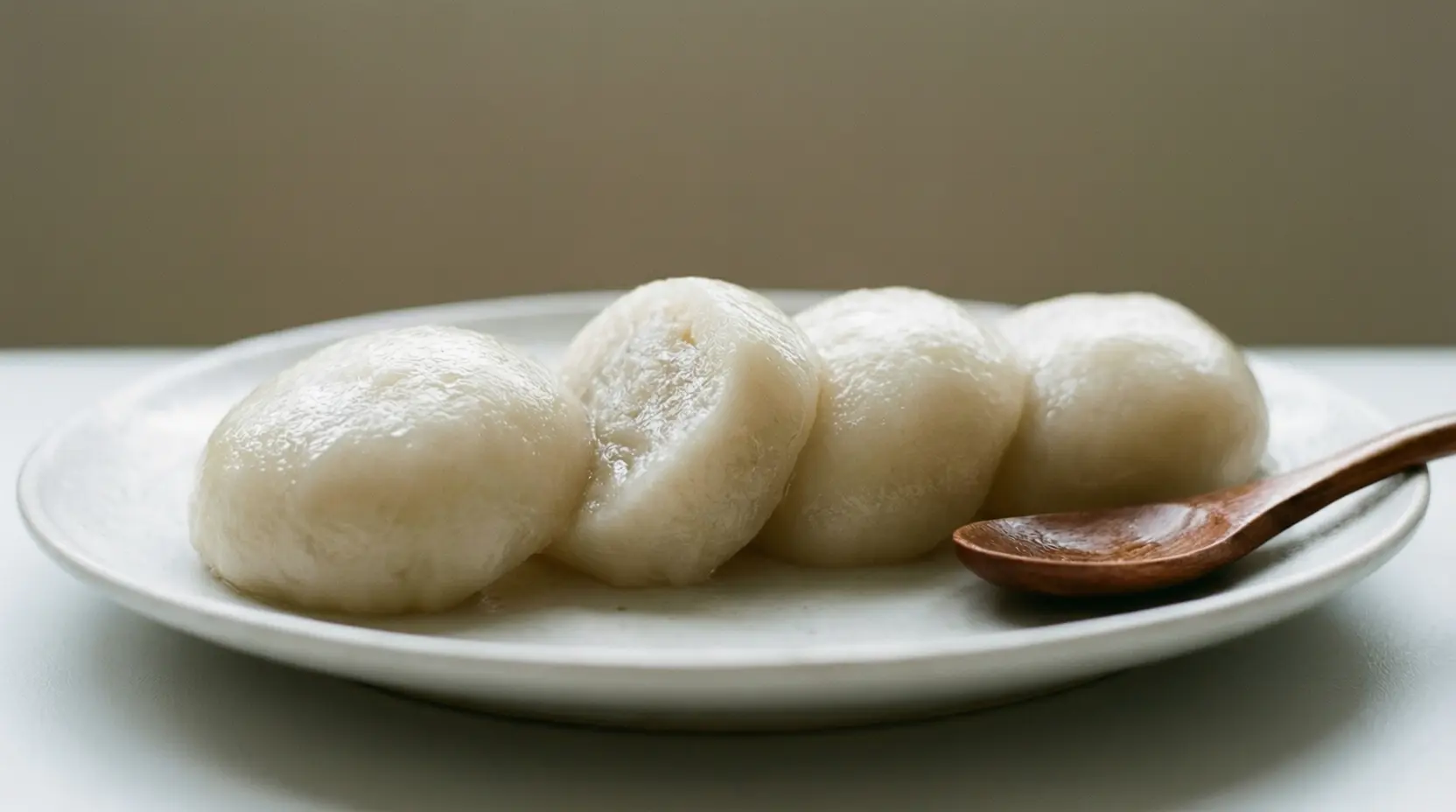
Rice cakes have long been a popular choice for those looking to maintain or lose weight.But, are rice cakes really a smart choice when it comes to weight loss?
While they may offer a quick and convenient snack, it’s important to dive deeper into their nutritional profile and how they fit into a balanced diet.
In this article, we’ll explore whether rice cakes can truly help with weight loss or if they fall short in delivering the essential nutrients our bodies need.
From understanding their glycemic index to examining potential downsides, we’ll provide a comprehensive analysis to help you make an informed decision about whether rice cakes deserve a spot in your weight loss plan.
Understanding Rice Cakes
Rice cakes are a simple and versatile snack made by puffing rice under heat and pressure.Their popularity skyrocketed in the 1980s as a low-calorie alternative to heavier snacks like chips and crackers, making them a go-to for people looking to lose weight or maintain a healthy lifestyle.
Despite their popularity, many people don’t fully understand the nutritional makeup of rice cakes. Typically, a single rice cake contains around 35-50 calories, making them an appealing choice for those monitoring their calorie intake. Unfortunately, this means rice cakes offer very little in the way of protein, fiber, or healthy fats—nutrients that are essential for keeping you full and satisfied.
So, while rice cakes can be a low-calorie snack, their nutritional limitations and effect on blood sugar levels make them less ideal for long-term weight loss success.
The Pros of Rice Cakes for Weight Loss
Rice cakes can certainly offer some benefits for weight loss, especially when consumed in moderation and as part of a balanced diet. One of the most obvious advantages is their low-calorie content. A plain rice cake typically contains just 35-50 calories, making it an excellent option for those looking to cut down on their daily caloric intake. When compared to calorie-dense snacks like chips, cookies, or candy, rice cakes provide a much lighter alternative without sacrificing the feeling of having something to munch on.
Another benefit is their convenience and portability. Rice cakes are lightweight and easy to carry, making them a perfect on-the-go snack for busy individuals. Whether you’re at work, traveling, or running errands, you can quickly grab a rice cake and enjoy it without the hassle of prep or refrigeration. This makes rice cakes a practical choice for people who are trying to make healthier eating decisions throughout the day.
Rice cakes are also gluten-free, which can be a significant advantage for individuals with gluten sensitivities or those following a gluten-free diet. With gluten-free options on the market, rice cakes provide a safe, crunchy alternative to wheat-based snacks.
Adding nut butter, avocado, or hummus can turn a simple rice cake into a more balanced snack, helping curb hunger and improve satiety.
The Cons of Rice Cakes for Weight Loss
While rice cakes have some appealing qualities, there are notable drawbacks that can make them less than ideal for weight loss. One of the primary concerns is their lack of essential nutrients. Without these components, rice cakes are unlikely to keep you feeling satisfied for long, which could lead to overeating later in the day.
Another significant issue with rice cakes is their high glycemic index (GI). This makes rice cakes a less than ideal choice for those who are trying to maintain stable blood sugar levels and control cravings.
Moreover, rice cakes can be too easy to overeat. Due to their light texture and low calorie count, many people find themselves eating more than they intended, thinking they’re still within a “low-calorie” range. This mindless eating can quickly add up in total calorie consumption, hindering weight loss progress.
In summary, while rice cakes can serve as a low-calorie snack, their lack of nutrients and high GI make them less than optimal for those focused on sustainable weight loss.
How Rice Cakes Fit Into a Weight Loss Diet
Portion control is key to incorporating rice cakes without overdoing it. Because they are low in calories, it’s easy to underestimate how many you’re eating. To avoid this, limit yourself to one or two rice cakes as part of a well-balanced snack or meal, ensuring you’re not consuming excessive calories in the long run.
One way to make rice cakes more suitable for weight loss is by pairing them with nutrient-dense, protein-rich toppings. Protein helps increase satiety, which can prevent overeating later. Nut butters, such as almond or peanut butter, are excellent options, as they provide healthy fats and protein. You could also spread avocado on your rice cakes, adding healthy fats and fiber, which promote fullness and keep you satisfied for longer.
Another option is to top rice cakes with Greek yogurt and fresh berries. This combination gives you a boost of protein, antioxidants, and fiber—all of which support a balanced diet and can help you manage hunger throughout the day. Adding seeds, such as chia or flaxseeds, can also elevate the nutritional profile of rice cakes, contributing fiber and omega-3 fatty acids.
Incorporating rice cakes thoughtfully with balanced toppings and in proper portion sizes allows them to complement your weight loss plan without derailing your goals.
Alternatives to Rice Cakes for Weight Loss
While rice cakes can be part of a weight loss plan when consumed thoughtfully, there are several other snack options that may offer better nutritional value and help you stay fuller for longer. If you’re looking for alternatives that provide more fiber, protein, and healthy fats, here are a few to consider:
- Vegetable Sticks with Hummus: Sliced veggies like carrots, cucumbers, bell peppers, and celery, paired with a serving of hummus, are a great choice for weight loss. These snacks are low in calories but high in fiber, which helps keep you full and satisfied. Hummus adds healthy fats and protein to help curb hunger.
- Greek Yogurt with Berries and Nuts: Greek yogurt is rich in protein and probiotics, making it a filling and gut-friendly option. Top it with fresh berries, which provide fiber and antioxidants, and a sprinkle of nuts or seeds for healthy fats. This snack is nutrient-dense and can help keep your energy levels stable throughout the day.
- Hard-Boiled Eggs: Eggs are an excellent source of protein and healthy fats, both of which are crucial for weight loss. Hard-boiled eggs are portable and provide a long-lasting sense of fullness, making them an ideal snack between meals.
- Popcorn: When prepared correctly (without excessive butter or salt), air-popped popcorn can be a low-calorie, high-fiber snack. It’s light, crunchy, and perfect for satisfying cravings, especially when you want something to munch on during the day.
Choosing snacks that are rich in fiber, protein, and healthy fats can help keep your metabolism running smoothly and improve your overall weight loss results.
Frequently Asked Questions (FAQ)
1. Are rice cakes a good snack for weight loss?
Rice cakes can be a good snack for weight loss when consumed in moderation. They are low in calories and convenient for on-the-go snacking. However, due to their low nutrient density, they may not keep you full for long. Pairing them with protein or healthy fats can improve their satiety and make them a better option for weight loss.
2. Can rice cakes help you lose belly fat?
Rice cakes alone are unlikely to target belly fat specifically. Weight loss occurs when you maintain a calorie deficit, and while rice cakes are low-calorie, they don’t have the fat-burning properties that other foods might offer. For effective weight loss, it’s important to combine a balanced diet with regular exercise.
3. Are brown rice cakes better than white rice cakes for weight loss?
Brown rice cakes are generally a better option than white rice cakes for weight loss due to their higher fiber content. Fiber helps with digestion and keeps you full longer, which can prevent overeating. Brown rice is also less processed, retaining more nutrients compared to its white rice counterpart.
4. Can I eat rice cakes every day and still lose weight?
Eating rice cakes every day is not harmful, but relying on them as a primary snack could limit your nutrient intake. For sustainable weight loss, it’s best to include a variety of foods that offer a better balance of protein, healthy fats, and fiber.
5. Are rice cakes gluten-free?
Yes, most rice cakes are naturally gluten-free, making them a good snack option for people with gluten sensitivities or celiac disease.
Conclusion:
Rice cakes can be a low-calorie snack that fits into a weight loss plan when consumed in moderation, but they are not a miracle food for shedding pounds.
While they are light and convenient, rice cakes lack many essential nutrients like protein, healthy fats, and fiber, which are necessary for long-lasting satiety and overall health.
The high glycemic index of rice cakes can also cause quick blood sugar spikes, leading to hunger soon after consumption, which may prompt overeating later.
However, when paired with nutrient-dense toppings like nut butter, avocado, or Greek yogurt, rice cakes can become a more balanced snack that helps support your weight loss goals.
The key is to consume them mindfully and in combination with other wholesome foods that contribute to a well-rounded diet.
If you’re looking for alternative snacks, there are plenty of options that provide more sustained energy and fullness, such as vegetable sticks with hummus, Greek yogurt with berries, or hard-boiled eggs.
These alternatives often offer a better balance of protein, fiber, and healthy fats, making them more satisfying and beneficial for long-term weight management.
Ultimately, while rice cakes can be part of a healthy eating plan, relying on them as your primary snack may not be the best strategy for sustainable weight loss. Balance and variety are the real keys to success when it comes to dieting.